
 Cart (0 items)





Cbd vs regular recovery supplements: Compare CBD to traditional recovery supplements. Learn how cannabinoids, NSAIDs, and protein differ for muscle.
CBD vs Regular Recovery Supplements: A 2026 Comparison

Table of Contents
- How CBD and Traditional Recovery Supplements Work Differently
- CBD vs NSAIDs for Inflammation: What the Research Shows
- Recovery Outcomes: Muscle Repair, Sleep, and Pain Management
- Best Practices for Post-Workout Recovery: Combining Approaches
- How to Choose a Clean-Label CBD Recovery Product
- Safety, Side Effects, and WADA Compliance
- Frequently Asked Questions
Last Updated: September 21, 2026
How CBD and Traditional Recovery Supplements Work Differently
CBD vs regular recovery supplements represents a fundamental shift in how athletes and weekend warriors approach post-workout restoration. The differences are more nuanced than most guides suggest.
Traditional recovery supplements like NSAIDs, protein powders, and amino acid blends work through direct biochemical pathways: protein supports muscle protein synthesis, BCAAs reduce muscle breakdown, and NSAIDs suppress inflammatory signaling at the source.
CBD operates differently, interacting with the endocannabinoid system to modulate inflammation, pain perception, sleep, and stress response rather than forcing a single outcome.
Traditional supplements excel at specific tasks, whey protein builds muscle, ibuprofen reduces acute inflammation, but don't address the full recovery picture. CBD's broader influence on homeostasis supports sleep, systemic inflammation, pain, and nervous system regulation simultaneously.
The real distinction isn't which approach is "better." It's that they work through different mechanisms. Some athletes benefit from stacking both. Others find CBD alone covers their recovery needs more comprehensively.
CBD vs NSAIDs for Inflammation: What the Research Shows
NSAIDs like ibuprofen inhibit cyclooxygenase enzymes, suppressing prostaglandin production and reducing inflammation within 30-60 minutes, peaking at 1-2 hours with 4-6 hour efficacy per dose.
CBD reduces inflammatory cytokine production (TNF-α, IL-6) through CB2 receptor signaling with slower onset: 2-4 hours sublingual, 4-8 hours oral, but effects persist 24+ hours with cumulative benefits building over weeks of consistent use.
NSAIDs excel acutely but carry chronic risks: GI issues in 10-15% of regular users, cardiovascular concerns with prolonged use, and potential blunting of muscle protein synthesis gains. Most effective within 48 hours post-injury.
CBD shows no comparable risks but requires consistent use to build effectiveness. Daily use over 1-2 weeks produces pronounced anti-inflammatory effects, making it ideal for chronic inflammation but slower for acute swelling.
A hybrid approach works best: NSAIDs for acute injury (first 48 hours), CBD for daily recovery and chronic inflammation management.
| Recovery Scenario | NSAIDs | CBD | Practical Recommendation |
|---|---|---|---|
| Acute post-competition swelling | Onset: 30-60 min, Duration: 4-6 hrs | Onset: 2-4 hrs, Duration: 24+ hrs | NSAIDs for immediate relief |
| Chronic training soreness (weekly) | Effective but GI/CV risk with frequent use | Safer long-term, cumulative benefit | CBD daily + NSAIDs as-needed |
| Sleep disruption from inflammation | May impair sleep quality in some users | Supports sleep architecture | CBD preferred |
| Systemic inflammation prevention | Suppresses locally, doesn't prevent recurrence | Modulates system-wide inflammatory tone | CBD for prevention |
| Post-workout muscle soreness (DOMS) | Reduces pain but may blunt adaptation | Reduces pain without interference | Either, based on preference |
For weekend warriors training 3-5 times weekly, CBD's safety profile and cumulative benefits often outweigh NSAIDs' speed. For competitive athletes managing acute injuries, NSAIDs remain faster. Choose based on your bottleneck: immediate relief favors NSAIDs; sustainable, side-effect-free management favors CBD.
Recovery Outcomes: Muscle Repair, Sleep, and Pain Management
Muscle Protein Synthesis and DOMS
Delayed-onset muscle soreness (DOMS) peaks 24-72 hours after intense exercise from muscle damage and inflammatory response. Traditional supplements address this directly: protein provides amino acids, BCAAs reduce breakdown. CBD doesn't directly accelerate protein synthesis but supports recovery conditions by reducing excessive inflammation and improving sleep, when most muscle repair occurs.
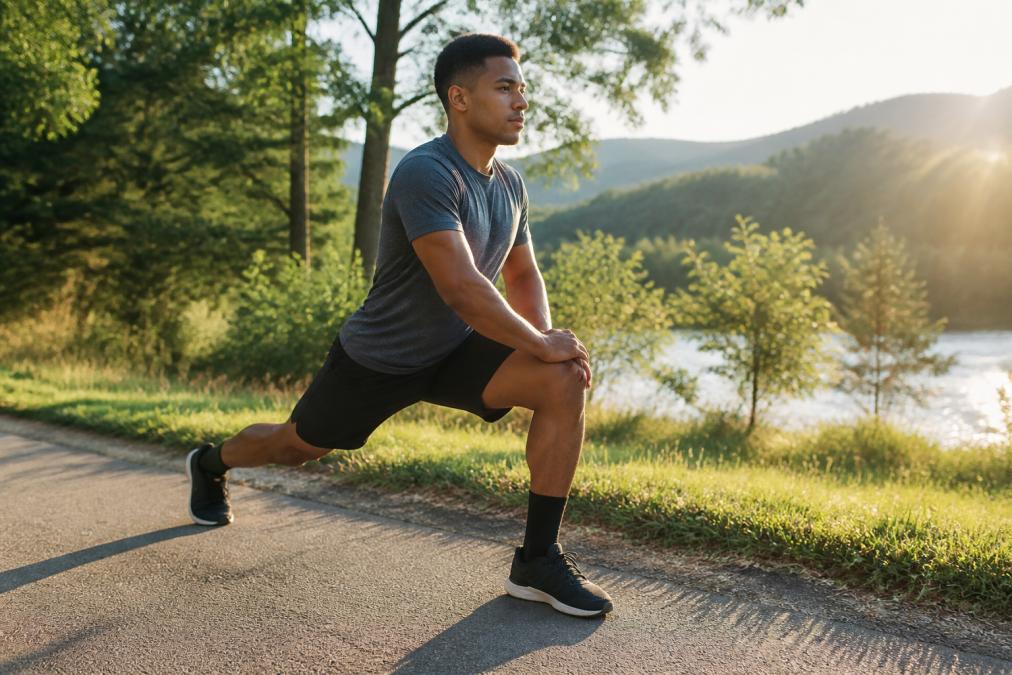
Muscle protein synthesis peaks during deep sleep. CBD's anxiolytic properties often improve sleep architecture better than traditional supplements alone, becoming the limiting factor for athletes struggling with post-workout adrenaline or training stress.
Pro Tip
Don't think of CBD as a muscle-building supplement like protein. Think of it as a recovery optimizer, it removes obstacles (poor sleep, excessive inflammation, nervous system activation) that prevent your body from using the protein and rest you're already providing.
Sleep Architecture and Restorative Recovery
Sleep quality determines recovery quality. During deep sleep, growth hormone peaks, muscle protein synthesis accelerates, and the glymphatic system clears metabolic waste. NSAIDs and protein don't address sleep directly; some athletes find high-protein meals disrupt sleep, and NSAIDs can impair sleep quality.
CBD may reduce cortisol, support GABA signaling for relaxation, and address pain-driven sleep disruption without grogginess. Athletes using CBD often report deeper, more restorative sleep without morning-after fog.
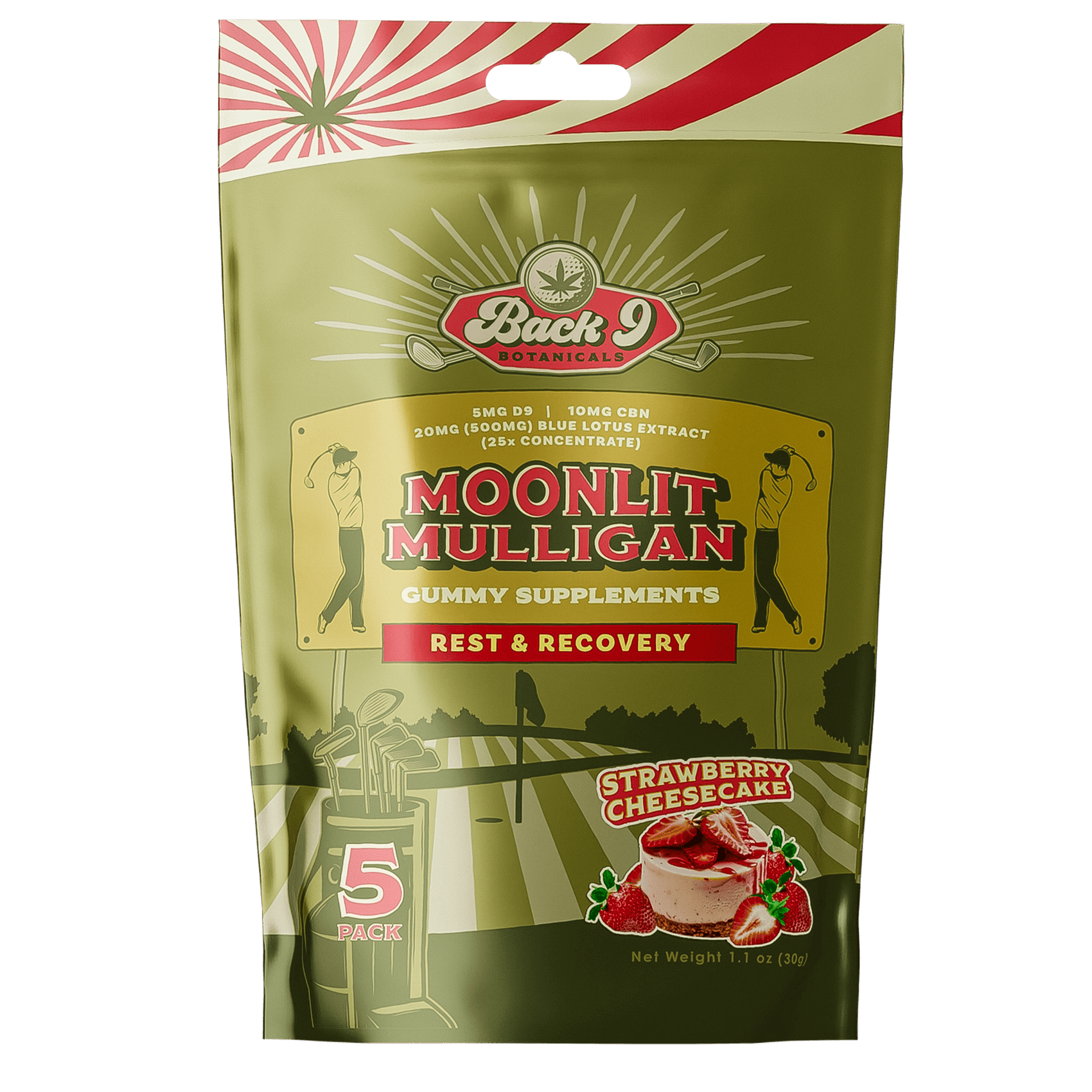
Back 9 Botanicals' Moonlit Mulligan gummies combine hemp-derived Delta 9 THC, CBN, and Blue Lotus flower for sleep recovery, addressing multiple pathways to restorative sleep critical for athletes whose training demands exceed sleep recovery capacity.

Best Practices for Post-Workout Recovery: Combining Approaches
The most effective recovery strategy is strategic layering based on your specific bottleneck. Identify what limits your recovery: acute inflammation (NSAIDs faster), poor sleep (CBD's sleep support), or chronic inflammation (daily CBD safer than chronic NSAIDs). Protein remains non-negotiable for muscle repair, carbs restore glycogen fastest, and sleep (7-9 hours nightly) remains the foundation.
CBD optimizes conditions where muscle repair happens, supports nervous system recovery, and addresses inflammation without chronic NSAID risks.
Key Takeaway
Recovery isn't a single intervention. It's a system. CBD's role is supporting the system's efficiency, not replacing the fundamentals of sleep, nutrition, and training periodization.
How to Choose a Clean-Label CBD Recovery Product
Not all CBD products deliver what they claim. Third-party testing, bioavailability, formulation type, and dosing determine therapeutic benefit.
Bioavailability and Formulation Type
CBD bioavailability varies by delivery method: oral (5-20% systemic), topical (localized only), sublingual (20-30%), and inhalation (50-60%). Most athletes prefer oral or topical for convenience.
Evidence-Based Dosage Protocols for Athletes
Dosing should be individualized based on body weight, training intensity, and recovery goal:
For General Wellness and Mild Recovery Support:
- Lighter athletes (under 150 lbs): 10-15mg CBD daily
- Average athletes (150-200 lbs): 15-25mg CBD daily
- Heavier athletes (200+ lbs): 25-35mg CBD daily
For Chronic Inflammation or High Training Volume:
- Lighter athletes: 25-40mg CBD daily
- Average athletes: 40-60mg CBD daily
- Heavier athletes: 60-80mg CBD daily
For Acute Sleep Disruption or Severe Post-Competition Soreness:
- 50-100mg CBD taken 1-2 hours before bed, or immediately post-competition
- Consider formulations with CBN (5-15mg) or melatonin (3-5mg) to enhance sleep onset
Third-Party Testing and Ingredient Transparency
Third-party testing verifies CBD content (±10%), absence of contaminants, and THC compliance (0.3% or less). Reputable brands publish full lab reports publicly. Look for accredited labs (ISO 17025 certified), not in-house testing. Labs should test for cannabinoid potency, microbial contaminants, heavy metals, pesticide residues, and solvent residues.
Ingredient transparency goes beyond CBD content. Check for artificial additives, unnecessary fillers, and sourcing clarity. Clean-label products use recognizable ingredients: organic oils, natural flavoring, minimal additives. Avoid products with:
- Artificial sweeteners (sucralose, aspartame) in gummies
- Silica or silicon dioxide as flow agents
- Synthetic flavoring or coloring
- Proprietary blends that hide ingredient quantities
Formulation Selection by Recovery Goal
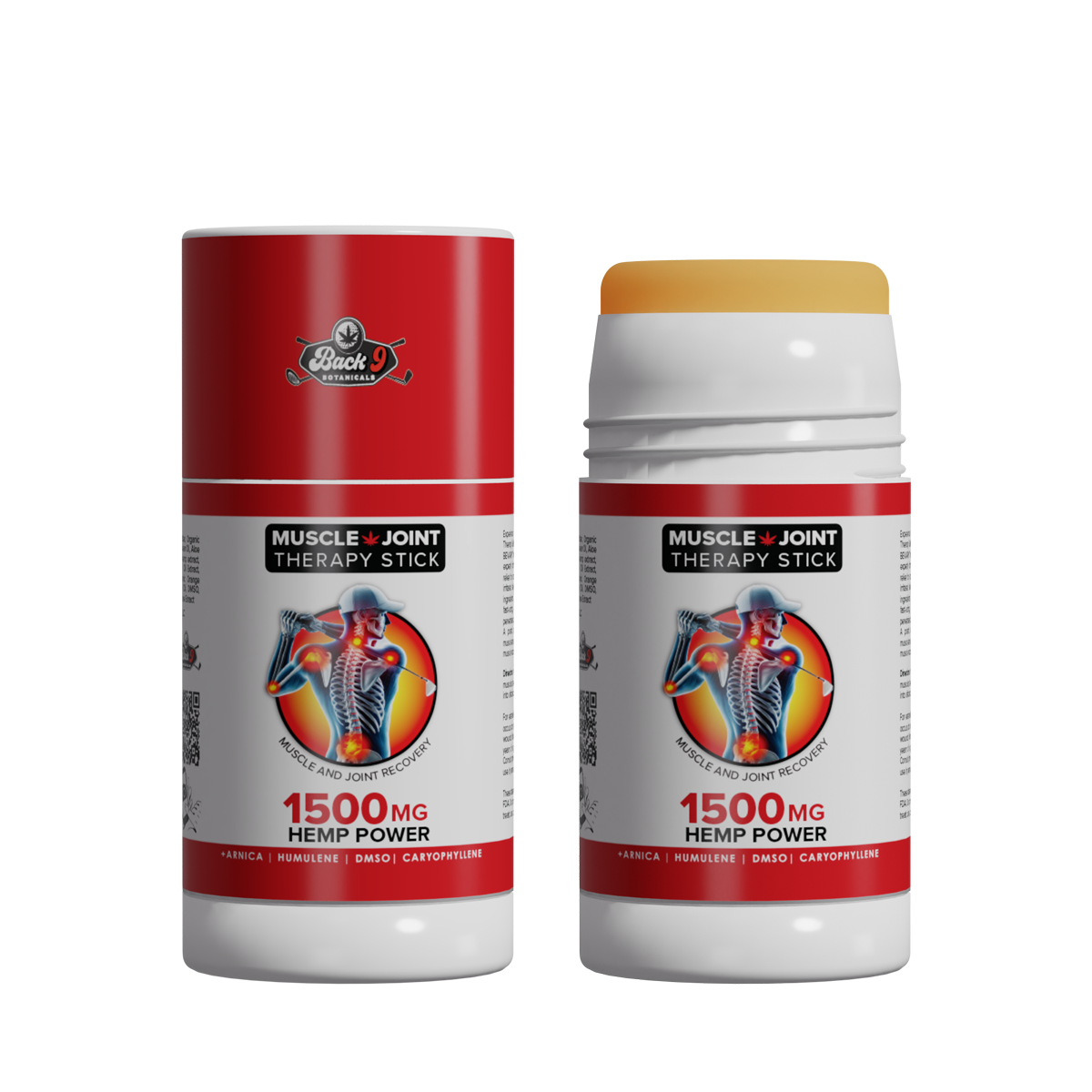
For Localized Muscle/Joint Relief: Topical creams or salves with 500-1500mg CBD per container. Bioavailability is local, not systemic, but onset is faster (15-30 minutes) and effects are targeted. Ideal for post-workout soreness in specific areas.
Safety, Side Effects, and WADA Compliance
CBD carries a favorable safety profile. Common side effects, dry mouth, fatigue, appetite changes, occur in a minority of users and typically at higher doses. No overdose threshold has been identified in research. Interactions with medications are possible, particularly those metabolized through the CYP3A4 pathway, so consultation with a healthcare provider matters if you're on prescription drugs.
Watch Out
If you compete in sports with strict anti-doping rules, verify your product's THC content and testing protocols. Full-spectrum products, while potentially more effective, carry higher detection risk. Isolate or broad-spectrum products tested for WADA compliance are safer for competitive athletes.
Frequently Asked Questions
Does CBD improve muscle recovery compared to traditional supplements?
CBD and traditional recovery supplements address recovery through different mechanisms. CBD interacts with the endocannabinoid system to reduce inflammation and promote sleep, which supports recovery indirectly. Traditional supplements like protein and creatine directly support muscle protein synthesis and ATP production. Research suggests CBD may help reduce exercise-induced muscle damage and oxidative stress, while protein and amino acids are essential for rebuilding muscle tissue. For optimal recovery, many athletes combine both approaches rather than choosing one exclusively.
Is CBD a safe alternative to over-the-counter NSAIDs for post-workout pain?
CBD and NSAIDs work differently. NSAIDs reduce inflammation by inhibiting prostaglandins, providing rapid pain relief. CBD interacts with cannabinoid receptors and may reduce systemic inflammation and analgesic effects over time. Unlike NSAIDs, CBD does not carry the same gastrointestinal or cardiovascular risks with long-term use. However, CBD takes longer to produce effects and may be less effective for acute, severe pain. For chronic post-workout soreness or inflammation management, CBD offers a gentler alternative; for immediate pain relief, NSAIDs may be more effective.
Can you combine CBD with other recovery supplements like protein or creatine?
Yes, combining CBD with traditional recovery supplements is generally safe and may provide complementary benefits. Protein and amino acids support muscle protein synthesis, while CBD may reduce inflammation and improve sleep quality, creating a more complete recovery protocol. Creatine supports ATP production and muscle energy, and CBD does not interfere with these mechanisms. Always start with lower doses when combining supplements, monitor your response, and consult a healthcare provider if you take medications, as CBD may interact with certain drugs through the cytochrome P450 pathway.
What should I look for in a clean-label CBD recovery product?
Choose a product with third-party lab testing that verifies CBD potency, absence of contaminants, and compliance with federal regulations (under 0.3% Delta-9 THC). Look for full-spectrum or broad-spectrum formulations to benefit from the entourage effect, where multiple cannabinoids work synergistically. Check the ingredient list for natural, recognizable components like arnica, magnesium, and essential oils rather than artificial fillers. Transparent brands provide certificates of analysis and clearly state dosage per serving. For topical recovery products, ensure they contain high-bioavailability ingredients like DMSO or carrier oils that enhance skin penetration.
Is CBD legal for athletes, and will it show up on drug tests?
CBD derived from hemp containing less than 0.3% Delta-9 THC is federally legal under the 2018 Farm Bill. However, some state laws vary, so check your local regulations. Most standard drug tests screen for THC metabolites, not CBD itself. Full-spectrum CBD products may contain trace amounts of THC that could theoretically accumulate with heavy use, though unlikely to trigger a positive test. Athletes competing under WADA (World Anti-Doping Agency) rules should verify their sport's specific policies, as some organizations have restrictions on cannabis-derived products. When in doubt, use THC-free isolate products or consult your sport's governing body.

