
 Cart (0 items)





Discover the best natural anti-inflammatory herbs for chronic joint pain, including turmeric, boswellia, and CBD. Find science-backed options and explore.
Best Natural Anti-Inflammatory Herbs for Joint Pain

Table of Contents
- Top Anti-Inflammatory Herbs for Chronic Joint Pain
- Turmeric and Curcumin for Joint Pain: What the Evidence Shows
- CBD and THC for Inflammation Recovery
- Symptom-Specific Matching: Choosing the Right Anti-Inflammatory Herb
- Drug-Herb Interactions and Safety Considerations
- How to Choose High-Quality Herbal Supplements
- Therapeutic Dosage Guidelines for Joint Relief
- Conclusion
Last Updated: August 28, 2026
Top Anti-Inflammatory Herbs for Chronic Joint Pain
The best natural anti-inflammatory herbs for chronic joint pain include boswellia serrata, turmeric, ginger root, devil's claw, and willow bark. Each works through distinct pharmacological pathways. At Back 9 Botanicals, we work with botanicals daily, and the gap between "I've heard turmeric helps joints" and actually using it effectively is wider than most people realize.
Chronic joint pain involves systemic inflammation, oxidative stress, cartilage degradation, and cytokine activity. These herbs aren't interchangeable, each targets different parts of the inflammatory cascade. We'll map each herb to the specific symptom profiles where evidence is strongest, then cover safety, dosage, and how to source a product worth buying.
Boswellia Serrata for Osteoarthritis Relief
Boswellia serrata is the standout herb for osteoarthritis, particularly for knee joint stiffness and cartilage health. Derived from Boswellia tree resin, its active compounds, boswellic acids, inhibit a specific enzyme in the inflammatory pathway, distinguishing it from broader-acting anti-inflammatory botanicals.
Boswellia has a meaningful effect on joint mobility that appears relatively quickly compared to other herbal options. The key phrase is "standardized extract", a product listing "boswellia" without specifying boswellic acid percentage is almost certainly underdosed.
According to National Center for Complementary and Integrative Health, boswellia is among the more extensively studied natural remedies for osteoarthritis symptoms, with several clinical trials supporting its role in pain relief and joint comfort.
Pros: Strong evidence base for osteoarthritis; targets cartilage inflammation specifically; generally well-tolerated. Cons: Quality varies enormously between products; less effective for inflammatory arthritis compared to osteoarthritis.
Ginger Root and Analgesic Effects
Ginger root works through a different mechanism than boswellia. Its active compounds, gingerols and shogaols, act as natural analgesics, reducing pain signal transmission while suppressing inflammation markers systemically. This dual action makes it useful for people whose joint pain has a significant pain-intensity component alongside underlying inflammation.
Ginger's analgesic effects are most pronounced with consistent daily use of a concentrated extract rather than culinary amounts. Occasional dietary ginger does very little for chronic pain management, a common misconception that leads people to conclude "ginger doesn't work" when they've never used a therapeutic dosage.
Ginger is one of the few anti-inflammatory herbs that also supports gut health, which matters because chronic inflammation and gut permeability are closely connected in many active adults dealing with joint issues.
Pros: Dual analgesic and anti-inflammatory action; widely available; good safety profile. Cons: Culinary doses are insufficient; may cause mild GI discomfort at higher doses.
Devil's Claw and Willow Bark
Devil's claw (Harpagophytum procumbens) is particularly effective for lower back and hip discomfort. Its active compound, harpagoside, demonstrates anti-inflammatory properties comparable in some studies to conventional analgesics for musculoskeletal conditions.
Willow bark contains salicin, which the body converts to salicylic acid, the same compound that inspired aspirin. This makes it effective for pain relief and reducing inflammation markers, but it also means the drug interaction profile mirrors that of aspirin. Anyone on blood thinners needs to treat willow bark with the same caution they'd apply to NSAIDs.
| Herb | Primary Target | Best For | Key Caution |
|---|---|---|---|
| Boswellia Serrata | Cartilage inflammation | Knee/hip osteoarthritis, joint stiffness | Requires standardized extract |
| Ginger Root | Pain signals + systemic inflammation | Generalized joint pain, recovery | Therapeutic dose only |
| Devil's Claw | Musculoskeletal pain | Lower back, hip pain | Avoid with peptic ulcers |
| Willow Bark | Prostaglandin-driven inflammation | Acute pain flares | Avoid with blood thinners |
| Turmeric/Curcumin | Cytokine inhibition | Widespread inflammation | Bioavailability is critical |
Turmeric and Curcumin for Joint Pain: What the Evidence Shows
Turmeric and curcumin represent the most evidence-dense area in herbal medicine for inflammation, and also the most misunderstood. Turmeric is the root; curcumin is the active phytonutrient that drives pharmacological activity. Most grocery-store turmeric powder contains roughly 2-5% curcumin, far below what clinical trials use.
Curcumin's anti-inflammatory properties are genuinely compelling. It inhibits multiple cytokine pathways simultaneously, reduces oxidative stress, and has demonstrated analgesic effects in several well-designed clinical trials. As documented in research published in the Journal of Medicinal Food, curcumin supplementation showed meaningful reductions in joint pain scores compared to placebo in osteoarthritis patients.
Turmeric is not overrated, but the way most people take it is. Sprinkle it on food and you're getting negligible therapeutic benefit. Use a high-quality standardized extract at appropriate therapeutic dosage, and it's one of the most effective anti-inflammatory herbs available.
Bioavailability: Why Standard Curcumin Often Falls Short
Bioavailability is the central challenge with curcumin. The compound is poorly absorbed on its own and passes through the digestive system largely intact without specific enhancement strategies. This is why many people try turmeric supplements and feel nothing.
Three evidence-backed approaches to improving curcumin bioavailability:
- Piperine combination: Black pepper extract (piperine) increases curcumin absorption significantly. Look for supplements listing both ingredients together.
- Phospholipid complexes: Curcumin bound to phospholipids (phytosome formulations) shows substantially better absorption than standard powder.
- Lipid-based delivery: Taking curcumin with a fat-containing meal improves uptake because curcumin is fat-soluble.
When evaluating curcumin products, the label should specify the curcumin percentage and the bioavailability enhancement method, not just "turmeric root powder."
Pro Tip
When shopping for curcumin supplements, look for labels that specify "95% curcuminoids" and list either piperine, a phytosome complex, or a lipid-based carrier. A product that says only "turmeric 500mg" with no standardization details is almost certainly not delivering a therapeutic dose.
CBD and THC for Inflammation Recovery
CBD and THC represent a newer but increasingly evidence-supported category within complementary therapy for joint pain. Cannabinoids interact with the body's endocannabinoid system, which modulates pain perception, immune response, and systemic inflammation through a mechanism distinct from cytokine inhibition or prostaglandin suppression. natural alternatives to drugs.

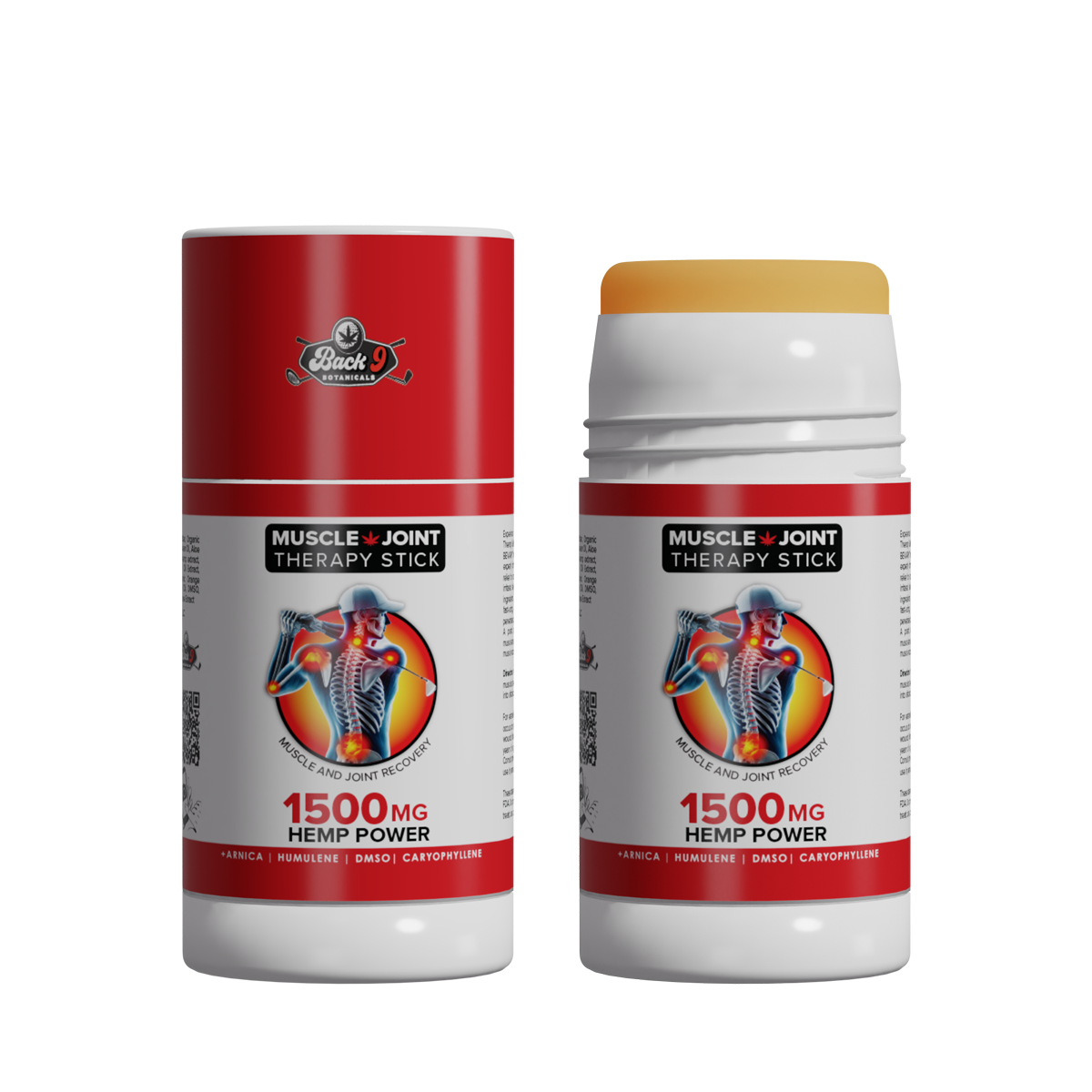
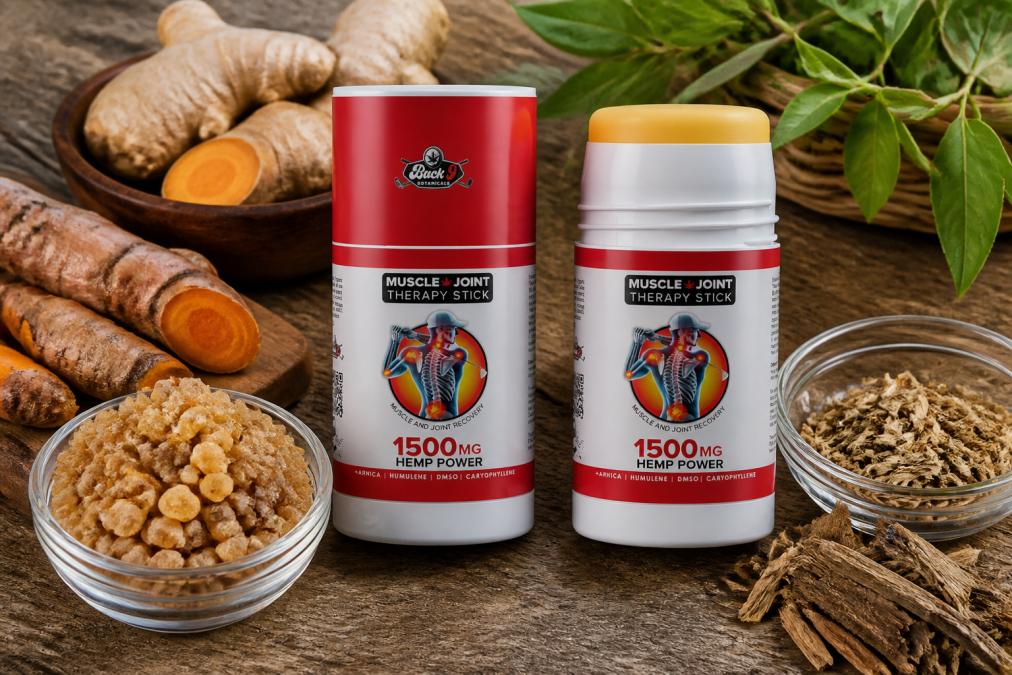
For golfers and active adults dealing with joint discomfort after physical activity, topical CBD application directly to affected joints offers targeted delivery without systemic effects. The Back 9 Botanicals CBD Topical Therapy Stick contains 1,500mg of broad-spectrum hemp oil, including CBD, CBDV, and CBG, formulated specifically for sore muscles and stiff joints. It contains 0% THC, addressing concerns about drug testing while delivering full-spectrum botanical benefit.
According to research from the Arthritis Foundation on CBD use, many people with arthritis report using CBD for pain management, with topical application being among the most popular methods due to its localized effect.
Topical CBD products and oral supplements serve different purposes. Topicals work at the site of application without requiring systemic absorption, making them useful for acute post-activity joint discomfort. Oral CBD or THC products work systemically and may be more appropriate for widespread inflammation or recovery support.
Key Takeaway
CBD topical products and oral cannabinoid supplements serve different purposes. Topicals address localized joint discomfort directly; oral products support systemic inflammation and recovery. For most active adults, the two approaches are complementary rather than interchangeable.
Symptom-Specific Matching: Choosing the Right Anti-Inflammatory Herb
Dominant stiffness, reduced range of motion (especially morning stiffness): Start with boswellia serrata. Its mechanism targets the specific inflammatory pathway most associated with cartilage degradation and joint stiffness. Pair with curcumin (high-bioavailability form) for additive effect.
Acute pain intensity is the primary complaint: Ginger root or devil's claw, depending on location. Devil's claw has stronger evidence for lower back and hip pain; ginger is more versatile for generalized joint pain.
Post-activity soreness and recovery (athletic use): CBD topical for immediate localized relief, combined with systemic ginger or curcumin for ongoing inflammation management.

Widespread systemic inflammation with multiple joint involvement: Curcumin at therapeutic dosage with bioavailability enhancement is the strongest option. Its cytokine inhibition works across multiple joints simultaneously.
Pain flares with known inflammatory triggers: Willow bark for short-term relief, but treat it like an aspirin-class compound, not for long-term daily use without medical guidance.
These herbs work best in combination and over time. Expecting a single herb to resolve chronic joint pain within a week is unrealistic. Consistent use over weeks to months, with symptom-specific selection, drives the best results.
Drug-Herb Interactions and Safety Considerations
Anti-inflammatory herbs are not inert; several have meaningful pharmacological activity that creates real interaction risks with common medications.
High-priority interactions to know:
- Willow bark + blood thinners (warfarin, aspirin, NSAIDs): Willow bark's salicin content amplifies anticoagulant effects, increasing bleeding risk.
- Devil's claw + warfarin: May enhance anticoagulant activity. Consult a physician before use.
- Ginger + anticoagulants: At therapeutic doses, ginger has mild antiplatelet properties relevant for anyone on blood-thinning medications.
- Curcumin + diabetes medications: Can lower blood glucose. Patients on insulin or oral hypoglycemics need to monitor levels when starting supplementation.
- Boswellia + immunosuppressants: Theoretical interaction based on immune-modulating activity; clinical significance is not fully established.
The FDA's guidance on dietary supplement safety makes clear that herbal supplements are not subject to the same pre-market approval process as pharmaceuticals. The safety burden falls on the consumer to research interactions and consult their healthcare provider, particularly for anyone managing chronic conditions with prescription medications.
Watch Out
Never assume "natural" means safe in combination with prescription drugs. Willow bark and devil's claw both have aspirin-like properties and can amplify the effects of anticoagulants. Always disclose herbal supplement use to your prescribing physician before adding any new botanical to your routine.
GI discomfort is the most common adverse reaction across all anti-inflammatory herbs, particularly at higher doses. Allergic reactions to boswellia are uncommon but documented.
How to Choose High-Quality Herbal Supplements
The herbal supplement market has a quality problem. Many products contain less active ingredient than labeled, use inferior forms with poor bioavailability, or include undisclosed fillers. Knowing how to read a label correctly is the most practical skill in this guide.
Reading Labels: Standardized Extracts and Third-Party Testing
Standardized extract means the product has been manufactured to contain a consistent, specified percentage of the active compound. A boswellia supplement standardized to 65% boswellic acids delivers a predictable dose. A product listing only "boswellia root powder" gives no information about actual potency.
What to look for on every label:
- Active compound percentage specified (e.g., "95% curcuminoids," "65% boswellic acids")
- Bioavailability enhancement listed (piperine, phytosome, lipid carrier for curcumin)
- Third-party testing certificate of analysis (COA) available
- No proprietary blends that obscure individual ingredient doses
- Manufactured in a facility following current Good Manufacturing Practices (cGMP), as regulated by the FDA
Third-party testing is the single most important quality signal. A COA from an independent laboratory confirms that the product contains what the label claims and is free from heavy metals, pesticides, and microbial contamination. Back 9 Botanicals makes lab tests available for review, that transparency is the baseline standard any supplement brand should meet.
Therapeutic Dosage Guidelines for Joint Relief
Dosage is where general wellness advice and evidence-based supplementation diverge most sharply. The amounts used in clinical trials are often significantly higher than what appears in standard retail products.
General therapeutic dosage ranges based on clinical literature (these are reference ranges, not prescriptions; always consult a healthcare provider for personalized guidance):
| Herb | Typical Therapeutic Range | Key Consideration |
|---|---|---|
| Boswellia Serrata | 300-500mg standardized extract, 2-3x daily | Must specify boswellic acid % |
| Curcumin | 500-1,000mg standardized extract, 1-2x daily | Requires bioavailability enhancer |
| Ginger Root | 500-1,000mg extract daily | Divided doses reduce GI side effects |
| Devil's Claw | 600-1,200mg standardized extract daily | Standardized to harpagoside content |
| Willow Bark | 120-240mg salicin daily | Not for long-term daily use |
These ranges reflect what appears in clinical research contexts, not necessarily what's appropriate for every individual. Body weight, existing health conditions, concurrent medications, and severity of joint symptoms all affect appropriate dosing. Start at the lower end of any range and assess tolerance before increasing.
Boswellia and curcumin typically require four to eight weeks of consistent use before meaningful joint pain relief becomes apparent. Willow bark and ginger can provide more immediate analgesic effects.
For topical CBD application, such as the Back 9 Botanicals CBD Topical Therapy Stick, dosage is self-titrated by application frequency and area covered. Apply directly to affected joints after activity and allow full absorption before covering the area.
Managing chronic joint pain with natural approaches works best as a system, not a single solution. The herbs covered here each address different aspects of inflammation, pain signaling, and cartilage health, and the evidence supports combining them thoughtfully rather than cycling through them randomly.
Back 9 Botanicals formulates clean, functional products that pair botanical anti-inflammatory support with hemp-derived cannabinoids for golfers and active adults who need both performance and recovery covered. The CBD Topical Therapy Stick provides targeted joint relief with 1,500mg of broad-spectrum hemp oil, zero THC, and full lab transparency. Get started with Back 9 Botanicals and give your joints the evidence-backed support they need to keep performing.
Frequently Asked Questions
Q: What is the strongest natural anti-inflammatory herb for joint pain?
A: Turmeric (curcumin) and boswellia serrata are consistently ranked among the most effective anti-inflammatory herbs for joint pain in clinical research. Curcumin inhibits cytokine pathways linked to systemic inflammation, while boswellia serrata reduces enzymes that break down cartilage. The right choice depends on your specific symptoms, boswellia tends to perform better for joint stiffness and osteoarthritis, while curcumin addresses broader oxidative stress and inflammation markers.
Q: How do herbal supplements interact with traditional arthritis medications?
A: Several anti-inflammatory herbs carry real drug interaction risks. Turmeric and ginger can amplify the effects of blood-thinning medications like warfarin, increasing bleeding risk. Devil's claw may interact with anticoagulants and some heart medications. Willow bark contains salicylates, so combining it with aspirin or NSAIDs raises the risk of adverse reactions. Always consult a physician or pharmacist before adding herbal supplements to an existing medication regimen, especially for chronic conditions.
Q: How long does it take to see results from natural anti-inflammatory herbs?
A: Most clinical trials on herbs like turmeric, boswellia, and ginger run 4 to 12 weeks before measuring significant changes in pain and joint mobility. Results depend on dosage, the quality of the standardized extract, and individual factors like body weight and the severity of inflammation. Topical options, such as CBD therapy sticks applied directly to sore joints, can provide more immediate localized relief.
Q: Are there specific herbs recommended for athletic joint recovery?
A: Athletes dealing with post-exercise joint soreness and inflammation often respond well to a combination approach. Boswellia serrata supports cartilage health and reduces joint stiffness after repetitive impact. Ginger root offers analgesic effects that help with acute muscle and joint pain after exertion. Hemp-derived CBD, used topically or orally, addresses systemic inflammation and supports faster recovery. Pairing complementary therapy options, oral herbs plus a topical like a CBD therapy stick, tends to produce better outcomes than any single remedy alone.
This article was written using GrandRanker

