
 Cart (0 items)





CBD vs THC for muscle inflammation: compare how each cannabinoid eases soreness, plus dosing, delivery methods, and legal facts. Find your best recovery.
CBD vs THC for Muscle Inflammation: What Works

Table of Contents
- CBD vs THC for Muscle Inflammation: The Quick Comparison
- How CBD and THC Interact With the Endocannabinoid System
- Anti-Inflammatory Mechanisms: Cytokines, Pain Modulation, and the Entourage Effect
- Best CBD for Muscle Soreness: Delivery Methods and Bioavailability
- CBD Dosage for Post-Workout Inflammation
- Safety, Side Effects, and Drug Testing Implications
- Your Recovery Stack, Timed Right
- Frequently Asked Questions
Last Updated: September 16, 2026
CBD vs THC for Muscle Inflammation: The Quick Comparison
The two cannabinoids that get talked about most in recovery circles work in completely different ways. CBD is non-intoxicating and modulates inflammation indirectly through enzyme and receptor pathways. THC binds CB1 receptors directly, which is why it carries both stronger analgesic potential and a psychoactive effect. This guide from Back 9 Botanicals breaks down what each one actually does for sore, inflamed muscle, how to dose them, and what to watch out for.
Best for daytime recovery: CBD. Non-intoxicating, easy to dose, and safe to use before or after activity. Best for nighttime: THC in low doses, where sedation and muscle relaxation support sleep. For most athletes, the answer is not one or the other, it is both, timed to the right part of the day.
| Factor | CBD | THC |
|---|---|---|
| Intoxicating | No | Yes |
| Primary receptor target | Indirect, CB2-leaning | Direct CB1 binding |
| Best timing | Pre- or post-workout | Evening, rest days |
| Topical use | Well suited | Less common |
| Drug test risk | Low, but nonzero | Real |
| Typical role in recovery | Daily inflammation support | Sleep and deep relaxation |
How CBD and THC Interact With the Endocannabinoid System
The endocannabinoid system is a signaling network of receptors, enzymes, and naturally produced compounds that helps regulate inflammation, pain perception, and muscle tone. Cannabinoids from hemp and cannabis interact with this system, but they do not do it the same way.
CB1 and CB2 Receptors: What Each Cannabinoid Targets
CB1 receptors concentrate in the brain and central nervous system. They govern mood, perception, coordination, and the psychoactive effect of THC.
Anti-Inflammatory Mechanisms: Cytokines, Pain Modulation, and the Entourage Effect
Inflammation after hard effort is a repair process, not a malfunction. The goal is not to shut it down but to keep it from overshooting. Both cannabinoids appear to influence this through cytokine signaling and pain modulation, though through different routes.
Full Spectrum vs Isolate for Inflammation
Full-spectrum extracts keep the plant's full cannabinoid and terpene profile, including trace THC. Isolates strip everything down to a single compound.
Best CBD for Muscle Soreness: Delivery Methods and Bioavailability
Bioavailability is the share of a dose that actually reaches your bloodstream in an active form. It is the single biggest reason two people can take the same milligram amount and report completely different results. The delivery method you choose matters more than the number on the label.
- Inhalation (vaporized flower or concentrate): Onset in minutes, but effects fade within one to three hours. Hard to dose precisely and not practical for most training schedules.
- Sublingual tinctures: Held under the tongue for 60 to 90 seconds, onset in roughly 15 to 45 minutes. Bypasses much of the digestive breakdown that swallows a large share of an edible dose.
- Oral ingestibles (gummies, capsules, beverages): Onset in 30 to 120 minutes depending on whether you have eaten. First-pass metabolism through the liver converts a meaningful portion of CBD into other compounds before it reaches circulation, which is why edibles feel weaker and less predictable than tinctures at the same milligram count.
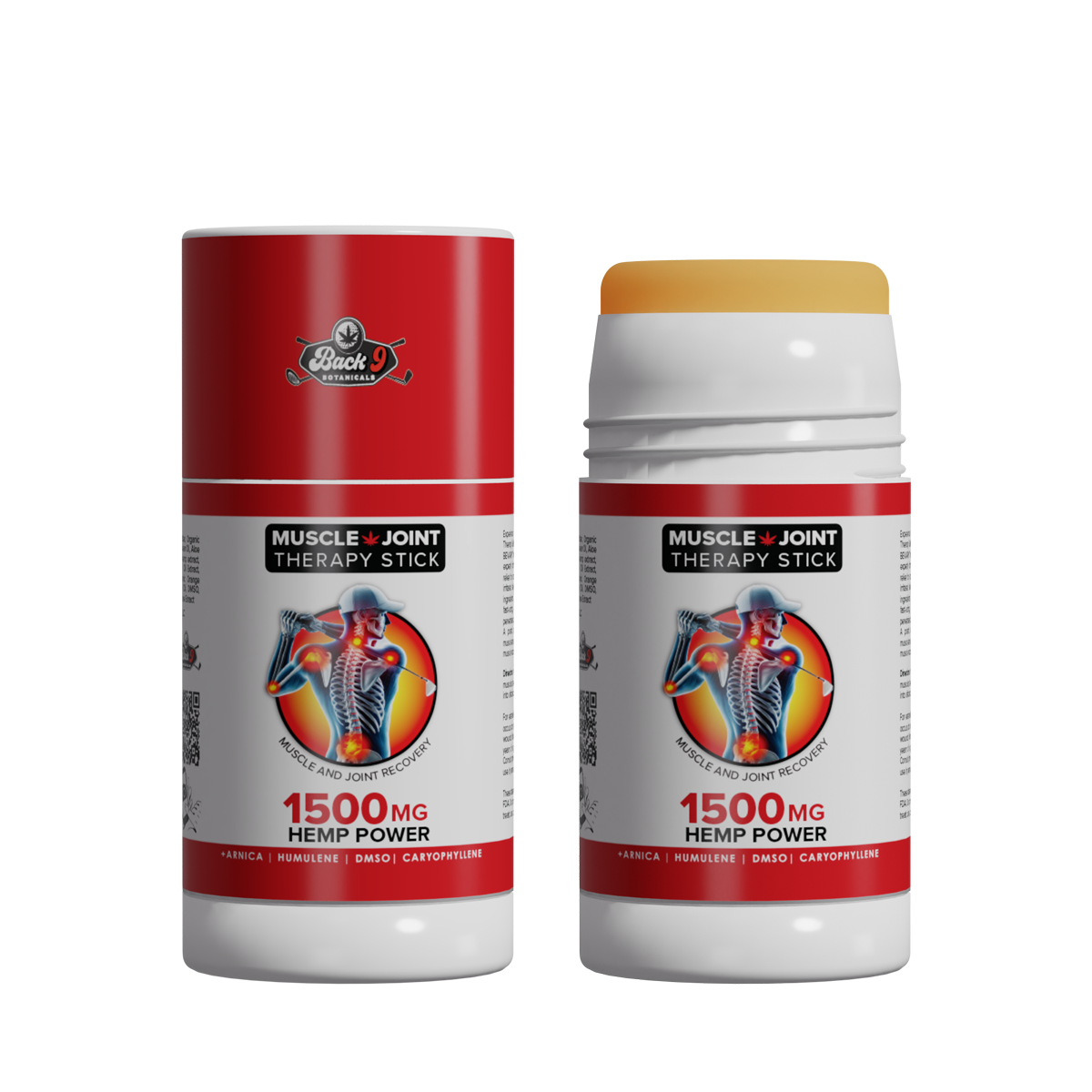
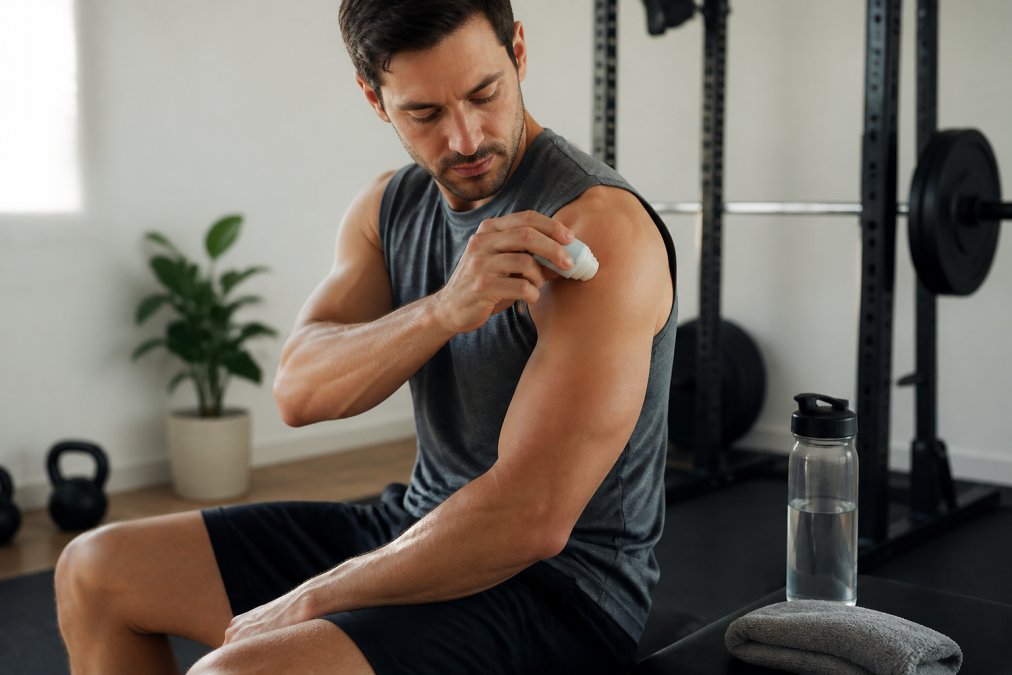
- Topicals (creams, balms, sticks, roll-ons): Minimal systemic absorption by design. The cannabinoids act in the skin and underlying tissue where you apply them rather than circulating through the whole body.
Why Topicals and Ingestibles Do Different Jobs for Muscle Tissue
This is the part most recovery guides skip. Acute muscle inflammation after hard effort is a local event. The damaged fibers, the immune-cell influx, and the cytokine signaling all happen in a specific patch of tissue, a hamstring, a rotator cuff, a lower back. A topical puts the cannabinoid at that patch. An edible puts it everywhere.
That distinction drives the decision:
- Targeted, one-area soreness (a single overworked muscle group, a stiff shoulder, a tight calf) responds well to a topical applied directly to the area, often within 15 to 30 minutes of application. You get local effect without systemic exposure, which means no impairment and no meaningful drug-test risk from a 0% THC formula.
- Whole-body, systemic recovery (post-competition fatigue, general soreness across multiple muscle groups, sleep disruption from training load) is better served by an oral product, because you need the cannabinoid circulating, not sitting in one spot.
- Layered approach: Many active adults use a topical on the specific hot spot and a low oral dose for overall recovery support. The two do not compete, they cover different territory.
Matching the Method to the Moment
A simple framework:
| Situation | Best delivery method | Why |
|---|---|---|
| Sore quad or shoulder right after a session | Topical stick or balm | Local action, fast, no impairment |
| Full-body soreness the day after a long effort | Oral tincture or gummy | Systemic circulation reaches all tissue |
| Trouble falling asleep after evening training | Low-dose oral, 60-90 min before bed | Slower onset aligns with sleep window |
| Stiffness that lingers for days | Topical plus daily oral | Local relief plus background support |
Key Takeaway
For acute, localized muscle inflammation, a topical is the most direct tool because it acts where the problem actually is. For whole-body recovery, an oral product is the practical choice. The mistake is expecting one format to do both jobs.
::: Beyond topical and oral applications, integrating heat therapy can further modulate systemic inflammation, making an understanding of sauna health benefits essential for optimizing your recovery protocol.
One more variable: formulation. A topical that spreads easily and absorbs without a greasy residue gets used more consistently, and consistency is what drives perceived results. Look for products that list cannabinoid content per application, not just per container, so you can track what you are actually getting.
CBD Dosage for Post-Workout Inflammation
There is no official dosing standard. A common starting point is 10 to 25 mg of CBD orally, taken after activity, then adjusted up or down based on how you respond over several days.
Doubling your dose after one disappointing session is the most common mistake. Cannabinoid effects build with consistency, not with size. Overshooting THC, in particular, produces anxiety and grogginess that can wreck a round the next morning.
Safety, Side Effects, and Drug Testing Implications
Both cannabinoids are generally well tolerated in healthy adults, but "well tolerated" is not the same as "risk-free," and the risk profile is not identical between the two.
Drug Testing: What Active Adults Actually Need to Know
This is the section most recovery guides skip entirely, and it is the one that matters most if you compete, work in a regulated industry, or are subject to any kind of screening.
- Single, occasional use: Metabolites can remain detectable for several days.
- Regular, frequent use: Detection can extend for weeks, and in heavy long-term users, considerably longer.
- Body composition matters: Because metabolites store in fat, a lean, highly active person may clear them differently than someone with more fat mass. There is no reliable formula for predicting your own window.
The practical safeguards:
- Choose broad-spectrum or isolate products labeled 0% THC. These have the THC removed during processing, which eliminates the accumulation risk from the product itself.
- Keep the certificate of analysis (COA) on hand. A COA is a third-party lab report showing the actual cannabinoid content of a specific batch. If a question ever comes up, documentation is your defense.
- Check your sport's or employer's rules before you buy, not after. Governing bodies and employers set their own policies, and some prohibit cannabinoids regardless of source or THC content.
- Do not assume "hemp-derived" means "test-safe." The legal distinction between hemp and cannabis is a threshold, not a guarantee.
Watch Out
If you are subject to any form of drug testing, treat full-spectrum products as a risk and stick to broad-spectrum or isolate formulas with a current COA. The trace THC in a full-spectrum product is small per serving, but it is not zero, and it accumulates with daily use.
Legal Status in Plain Terms
Federal law under the 2018 Farm Bill legalized hemp and hemp-derived products containing no more than 0.3% Delta-9 THC by dry weight. That federal framework does not override state law. Some states have stricter rules, some have banned certain hemp-derived cannabinoids outright, and the landscape changes frequently. Check your own state's current rules before purchasing, and if you travel or compete across state lines, check the destination's rules too.
Pro Tip
If you are subject to testing, choose broad-spectrum or isolate products with 0% THC and keep the certificate of analysis on hand. Back 9 Botanicals publishes third-party lab results for every formula, which is the documentation you want if a question ever comes up.
Your Recovery Stack, Timed Right
The practical answer to the CBD vs THC question is scheduling, not choosing. Use CBD during the day for inflammation support without impairment, and reserve low-dose THC for the evening, when relaxation and sleep quality do the actual recovery work.
Frequently Asked Questions
What is better for inflammation, THC or CBD?
Both show anti-inflammatory potential, but they work differently. CBD is non-intoxicating, making it easier to use during the day, and it may help with soreness through CB2 receptor activity and cytokine reduction. THC has stronger analgesic properties and may relieve muscle spasms and stiffness, but it causes psychoactive effects. Many people combine them for a broader effect, using CBD topically for targeted relief and low-dose THC for deeper relaxation and pain modulation.
Does THC reduce inflammation or just pain?
THC appears to do both. Research suggests it can reduce pain perception by interacting with CB1 and CB2 receptors, and it may also lower inflammatory cytokines. However, THC's psychoactive effects limit how much you can take during the day. CBD offers anti-inflammatory support without intoxication, so it is often preferred for post-workout inflammation when you need to stay clear-headed. Combining both may address pain and inflammation through different pathways.
Which type of CBD is best for inflammation?
Full-spectrum CBD, which contains multiple cannabinoids and terpenes, may offer greater anti-inflammatory benefits than isolate due to the entourage effect. For example, the CBD Topical Therapy Stick from Back 9 Botanicals uses broad-spectrum hemp oil with over 1100 mg CBD plus CBDV and CBG. When choosing, look for third-party lab tests and consider whether you want the additional compounds that full-spectrum provides.
Are there legal considerations for using THC in athletic recovery?
Yes. Hemp-derived THC is federally legal under the 2018 Farm Bill when it contains no more than 0.3% Delta-9 THC by mass, but state laws vary widely. Some states ban all THC products. If you are a competitive athlete, check your sport's banned substance list, as THC may be prohibited. Always verify local regulations and consult your athletic organization before using THC products for recovery.
How do I choose between CBD and THC for post-workout soreness?
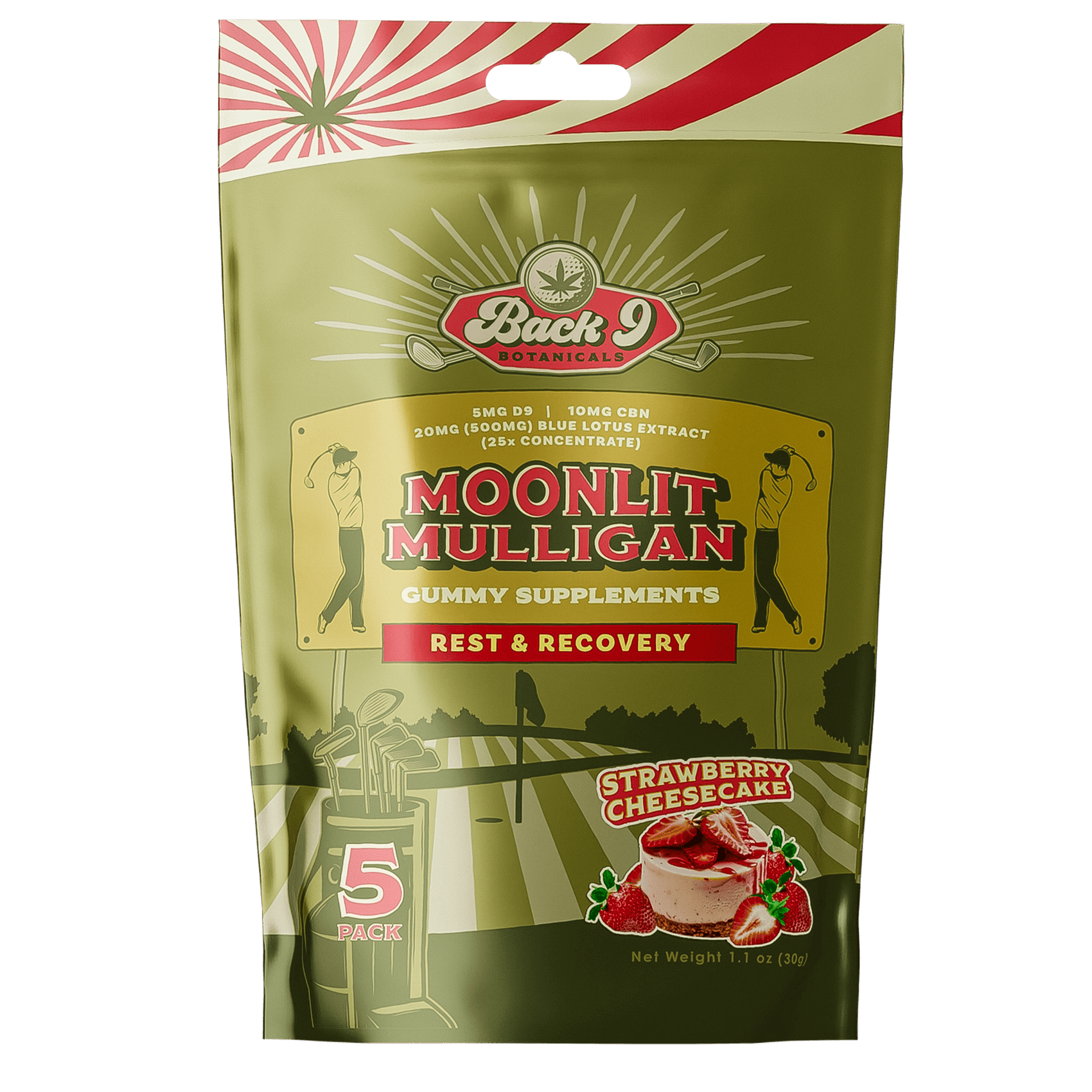
Start with your goal. If you want relief without feeling high, choose CBD, especially topicals or full-spectrum oils. If muscle spasms or severe pain disrupt your sleep, a low-dose THC product like Moonlit Mulligan gummies (5mg Delta 9 THC, 10mg CBN per gummy) may help. For daytime recovery, CBD topicals or non-intoxicating blends are better. Many athletes use CBD during the day and THC at night.
Recovery is a timing problem as much as a dosing one, and getting it wrong costs you the back nine. Back 9 Botanicals makes clean, lab-tested formulas with clear per-gummy dosing, broad-spectrum options at 0% THC, and a full performance bundle that covers focus, recovery, and sleep in one system. Get started with Back 9 Botanicals and build a recovery routine you can actually stick to.

