 Cart (0 items)





Discover why golfers are turning to CBD for post-round recovery, sleep, and focus. Learn dosing, safety, and what research actually shows.
Why Golfers Use CBD for Recovery: Benefits & Safety

Table of Contents
- Why Golfers Are Using CBD for Recovery
- Physical Recovery: Muscle Soreness, Joint Discomfort, and Inflammation
- Mental Performance: Stress Relief, Anxiety, and On-Course Focus
- CBD and Sleep for Athletes: Why Rest Matters Between Rounds
- CBD Dosage for Athletes: Finding Your Right Amount
- CBD Drug Testing for Athletes: Legal Status and Anti-Doping Concerns
- What Research Actually Shows, and What It Doesn't
- Choosing Quality CBD: Third-Party Testing and Product Standards
- Frequently Asked Questions
Last Updated: October 8, 2026
Why Golfers Are Using CBD for Recovery
More golfers use CBD recovery as part of their post-round routine. The reason is straightforward: golf demands both mental sharpness and physical resilience. A typical round involves walking five miles, making hundreds of precise movements, and managing stress under pressure. Recovery matters as much as performance.
CBD fits that pattern because it addresses multiple recovery challenges at once: muscle soreness, inflammation, sleep quality, and mental stress.

This guide covers what the research actually shows about CBD for golfers, plus the practical questions you should ask before adding it to your routine.
Physical Recovery: Muscle Soreness, Joint Discomfort, and Inflammation
Golf is a deceptively demanding sport. Your back stabilizes your swing. Your shoulders rotate through a full range of motion. Your knees absorb the impact of walking on uneven terrain for four to five hours straight.
Muscle soreness and joint discomfort are common after rounds, especially for golfers over 40 or those playing multiple rounds per week.
CBD may help in several ways:
- Interacts with the endocannabinoid system, which helps regulate pain signals
- May reduce inflammatory responses in muscles and joints
- Supports blood flow and tissue recovery when applied topically
- Works without the grogginess or dependency concerns of other options
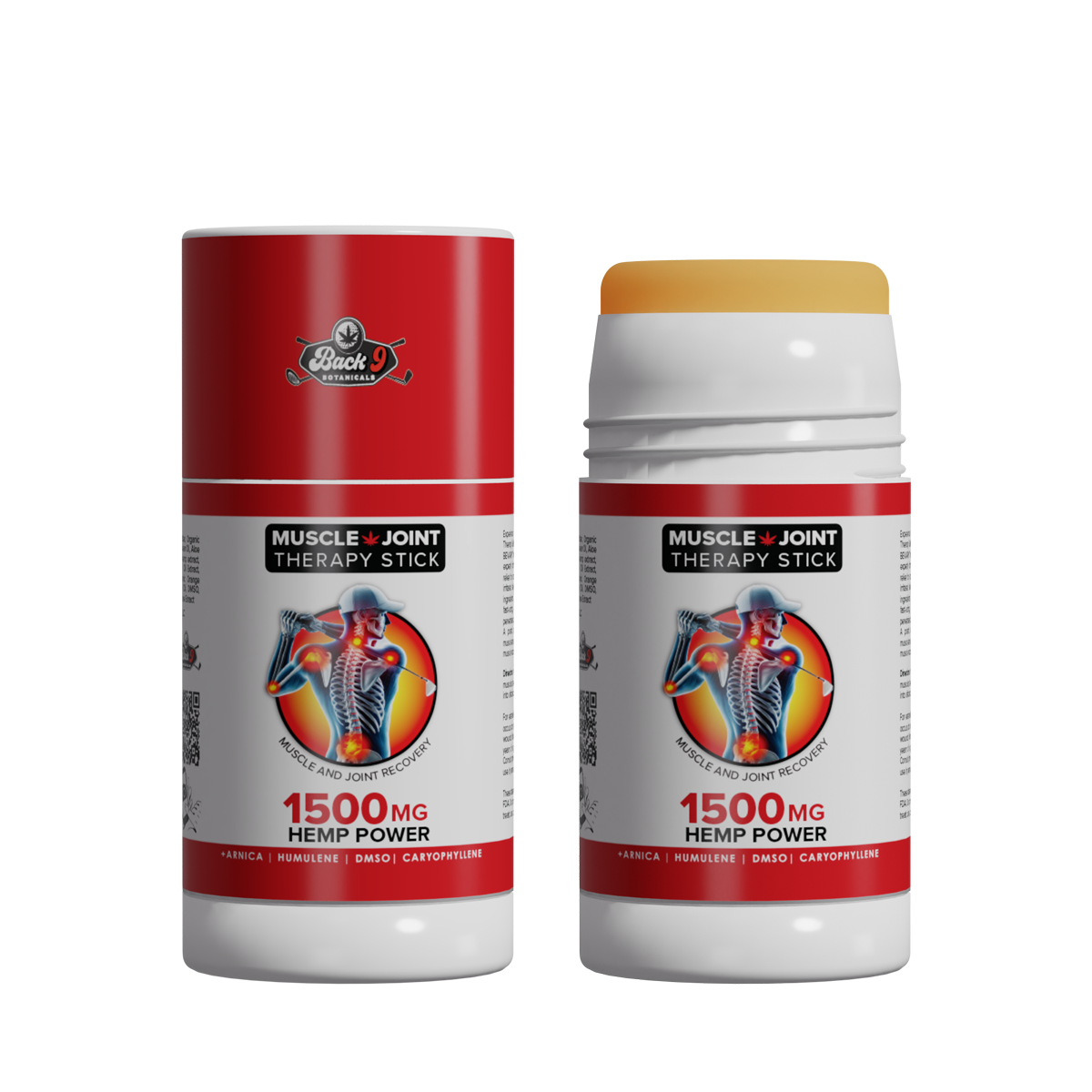
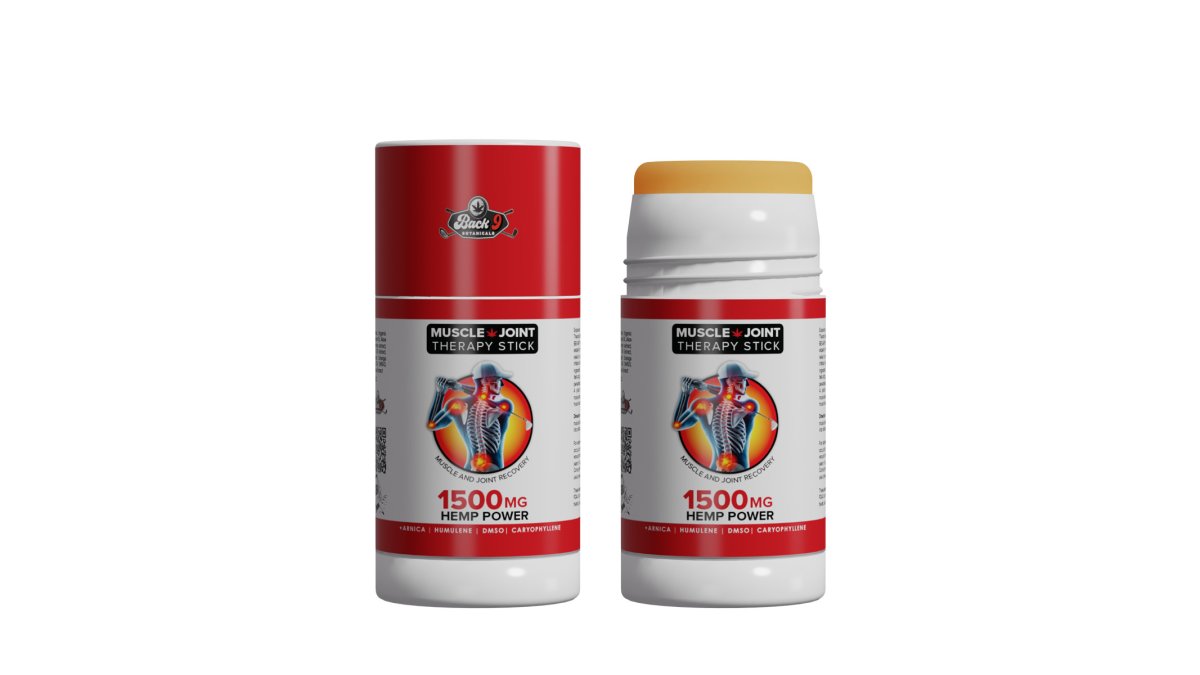
Topical CBD products like the CBD Topical Therapy Stick deliver cannabinoids directly to sore areas. The stick format makes application quick and mess-free after a round. Many golfers apply it to their shoulders, lower back, or elbows right after finishing.
Back Pain and Golfer's Elbow
Back pain affects more than half of golfers at some point. The golf swing creates rotational stress through your spine. Repetitive strain can irritate the soft tissues and joints that support your back.
Golfer's elbow (medial epicondylitis) is another common complaint. It's inflammation on the inside of the elbow where forearm muscles attach. The repetitive gripping and swinging motion can aggravate this area over time.
Both conditions respond well to targeted topical relief. CBD's potential anti-inflammatory properties make it a logical fit for this type of localized discomfort. Apply the therapy stick to the affected area for 30 seconds to one minute, allowing the product to absorb into the skin.
Mental Performance: Stress Relief, Anxiety, and On-Course Focus
The mental side of golf is where many golfers struggle most. You can have a perfect swing in practice. On the course, pressure changes everything.
First-tee anxiety is real. So is the frustration of a bad hole affecting your next shot. Stress tightens your muscles, narrows your focus, and makes smooth tempo nearly impossible.
CBD may support mental performance by:
- Promoting a calm, focused mental state without sedation
- Reducing the physical tension that accompanies anxiety
- Supporting consistent performance under pressure
- Helping you stay present instead of dwelling on past shots
Many athletes use CBD before rounds to establish a baseline of calm. Others use it after a frustrating round to reset mentally.
Gummies like those in the Back 9 Day and Night Pack allow you to microdose throughout the day. This approach supports sustained calm and focus without the spike-and-crash pattern of other supplements.

CBD and Sleep for Athletes: Why Rest Matters Between Rounds
Sleep is where recovery actually happens. Your body repairs muscle, consolidates memory, and restores hormone balance during sleep. Without adequate sleep, all your other recovery efforts fall short.
Many golfers struggle with sleep quality, especially during tournament weeks or golf trips when routine changes. Stress, travel, and physical exertion can all interfere with falling asleep or staying asleep.
Quality sleep supports:
- Muscle repair and growth
- Stress hormone regulation
- Cognitive function and decision-making
- Immune system resilience
- Consistent performance across multiple rounds
CBD may improve sleep by promoting relaxation and reducing the mental chatter that keeps you awake.
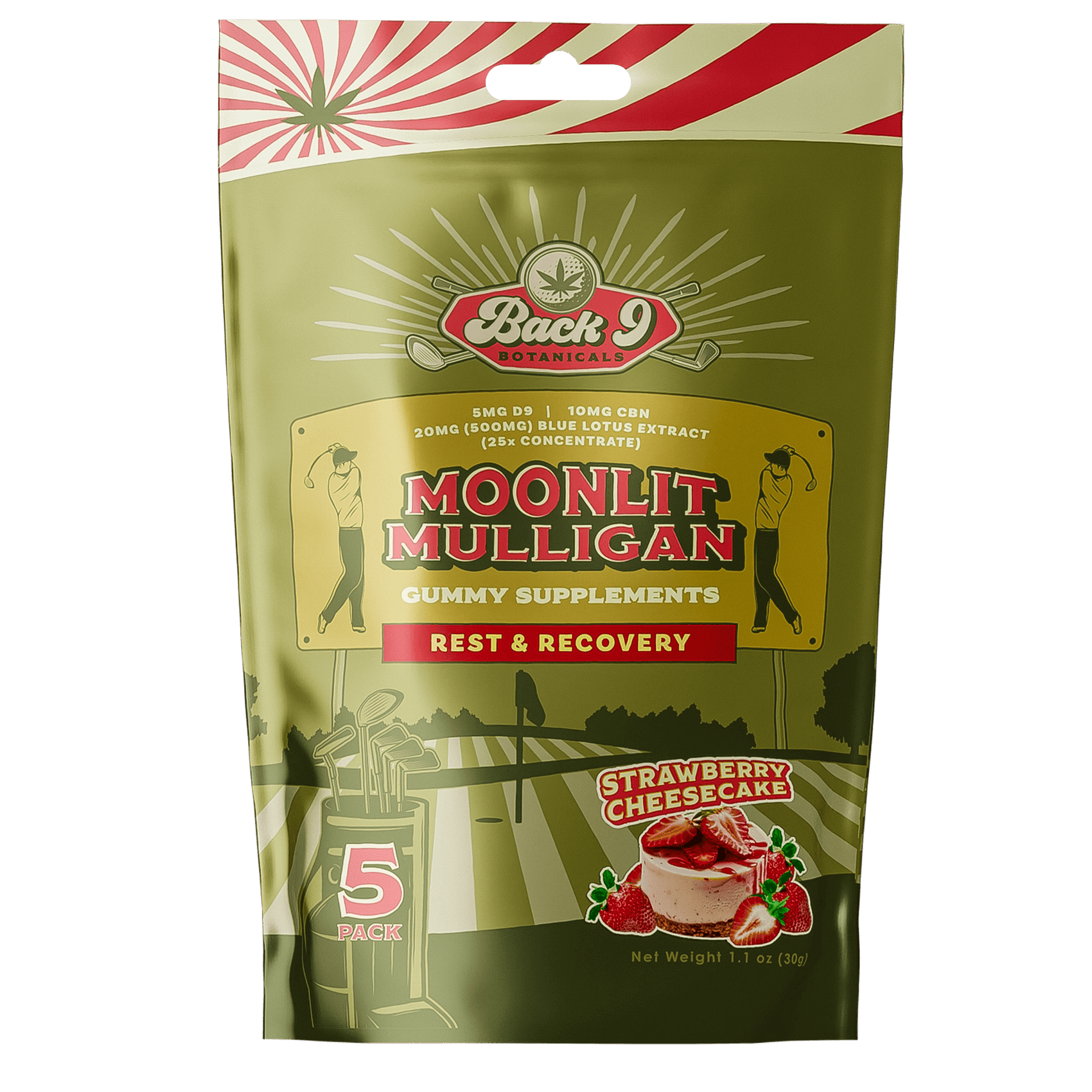
The Moonlit Mulligan Rest & Recovery Gummies blend CBD with CBN (a cannabinoid known for sleep support) and Blue Lotus, a traditional plant used for relaxation.

CBD Dosage for Athletes: Finding Your Right Amount
There's no universal "correct" dose for CBD. Your ideal amount depends on your body weight, metabolism, the specific product, and what you're trying to address.
Start low and adjust gradually:
- Begin with a small dose (5 to 10 mg CBD if using gummies)
- Use consistently for 3 to 5 days
- Notice how you feel and whether you want stronger effects
- Increase slowly if needed
Most athletes find their sweet spot between 10 and 30 mg per dose. Some use more for acute issues like post-tournament recovery. Others use less for daily wellness support.
Topical products don't follow the same dosing logic since they're applied locally. Use enough to cover the affected area and allow it to absorb. You can reapply as needed throughout the day.
Keep a simple log of your dose and how you feel. This helps you identify what works best for your body and goals.
CBD Drug Testing for Athletes: Legal Status and Anti-Doping Concerns
This is the question every serious golfer asks first: Will CBD show up on a test?
The short answer: CBD itself is not a banned substance under most sport anti-doping codes.
Why THC is the real concern:
Many hemp-derived products contain trace THC.
Know your product labels:
- Isolate: CBD only, with other cannabinoids and THC removed. Lowest THC risk, but also the least "entourage" of other plant compounds.
- Broad-spectrum: Contains multiple cannabinoids and terpenes but is processed to remove THC. Often labeled "THC-free," though trace amounts can still appear depending on the manufacturer.
- Full-spectrum: Contains the full range of hemp cannabinoids, including trace THC. This is the category most likely to cause a positive test with consistent use.
Third-party testing, and its limits:
A Certificate of Analysis (COA) from an independent lab is the minimum standard.
Contamination risks beyond THC:
Hemp plants can absorb heavy metals, pesticides, and mold from soil and processing. A COA should also screen for these.
For competitive golfers:
- Check your specific sport's current rules. Amateur, collegiate, professional tour, and international competition can all differ, and rules change.
- Use products with current third-party COAs showing THC below detectable limits.
- Avoid full-spectrum products if you're subject to strict testing.
- Keep records of what you use and the COAs that support it.
Watch Out
If you compete in sanctioned events, verify your sport's current anti-doping requirements before using any CBD product. Rules evolve, and what's permitted today may change. When in doubt, ask your sport's governing body directly.
Who should be extra cautious:
- Anyone in a testing pool with strict THC thresholds
- People taking medications that interact with CBD, including certain blood thinners and anti-seizure drugs
- Anyone who is pregnant, breastfeeding, or has liver concerns
- Anyone experiencing persistent or severe pain, which warrants medical evaluation rather than self-treatment
If you're unsure whether a product fits your situation, talk to a clinician who understands both CBD and your sport's rules. That conversation is worth more than any label claim.
What Research Actually Shows, and What It Doesn't
CBD is popular, but the science is still developing. It's important to separate what we know from what we hope might be true. Most articles on this topic blur that line. Here's a clearer picture.
What is reasonably established:
- CBD interacts with the endocannabinoid system, a network of receptors and signaling molecules involved in pain, inflammation, mood, and sleep regulation. This mechanism is well-described in the scientific literature.
- Purified CBD is generally well-tolerated in healthy adults at commonly studied doses, with the most frequently reported side effects being drowsiness, dry mouth, and digestive upset (An Update on Safety and Side Effects of Cannabidiol).
- A prescription CBD-based medication (Epidiolex) is FDA-approved for specific severe seizure disorders, which confirms the molecule can be formulated and dosed reliably, but that approval does not extend to recovery, soreness, or sleep.
What is promising but not proven:
- Anxiety reduction. Several small studies suggest CBD may reduce anxiety in certain contexts, but sample sizes are small, dosing varies widely, and results are not consistent enough to call it settled.
- Pain and inflammation. Early research points to potential anti-inflammatory and pain-signaling effects, but most human studies are small and short. Topical CBD in particular has limited high-quality human data.
- Sleep. Some users report better sleep, but controlled trials are mixed, and it's often unclear whether benefits come from CBD itself, other cannabinoids like CBN, or the relaxation ritual around taking it.
What the research does not tell us:
- There is no established dose for athletic recovery. Studies use different doses, delivery methods, and populations, so no universal recommendation exists.
- Athlete research is not golf-specific. Most sports-related CBD studies involve other populations, and none focus on the rotational swing demands, walking load, or multi-round schedules unique to golf.
- Long-term effects of daily CBD use in healthy athletes are not well characterized.
- There are no head-to-head trials comparing CBD against proven recovery methods like sleep, load management, or physical therapy.
Key Takeaway
Treat CBD as a possible adjunct, not a proven recovery intervention. If a product claims to "clinically proven" fix soreness or inflammation, that claim is ahead of the evidence.
The honest summary: CBD may help some people feel better, but the research base is thin, and individual response varies widely based on genetics, metabolism, sleep, diet, and stress. A reasonable approach is to try it consistently for two to four weeks, track your experience, and judge whether it earns a place in your routine, not to expect a guaranteed outcome.
Choosing Quality CBD: Third-Party Testing and Product Standards
Not all CBD products are created equal. The supplement industry has minimal regulation, which means quality varies dramatically.
What to look for:
- Third-party lab testing (independent verification, not testing by the company)
- Certificate of Analysis showing CBD content and THC levels
- Clear labeling with mg of CBD per serving
- Transparent ingredient lists
- Products from companies that publish their lab results publicly
Third-party testing matters because it's your only way to verify what's actually in the bottle.
Back 9 Botanicals publishes full lab testing results for every product. You can view these on our website before purchasing.
Red flags to avoid:
- Products with no published lab results
- Vague ingredient lists or proprietary blends
- Prices that seem too good to be true
- Companies that make exaggerated health claims
Quality costs more upfront, but it's the only way to ensure you're getting what you paid for. When you're investing in your recovery, quality matters.
Recovery is a process, not a single solution, and golfers use CBD recovery as one tool among many.
Start with quality products you can trust. The Back 9 Discovery Bundle gives you options for different recovery needs, topical support for muscle soreness, gummies for sleep and daily calm, and everything you need to build a personalized routine.
Frequently Asked Questions
Can CBD help with muscle soreness after golf?
CBD interacts with the body's endocannabinoid system and may help reduce inflammation and muscle tension after physical exertion. Topical CBD products like salves or balms may provide localized relief for sore muscles, stiff joints, and back discomfort. However, research on CBD's effectiveness for post-exercise recovery is still emerging, and individual responses vary. Starting with a lower dose and allowing time to assess how your body responds is wise.
Will I fail a drug test if I use CBD?
Pure CBD isolate should not trigger a positive drug test because it contains no THC. However, full-spectrum or broad-spectrum CBD products may contain trace amounts of THC, which could accumulate with regular use and potentially show up on sensitive tests. If you compete in organized golf or other sports with anti-doping rules, verify your product's THC content through third-party testing and check your governing body's specific policies. Many amateur and professional organizations permit CBD but have strict THC limits.
How long does CBD take to work for recovery?
Timeline varies by product type and individual metabolism. Topical CBD salves may provide localized relief within 15-30 minutes of application. Gummies and oral products typically take 1-2 hours to take effect. For sleep support and stress relief, consistent use over several days or weeks may show better results than a single dose. Factors like body weight, metabolism, food intake, and product quality all influence how quickly you notice effects.
Is CBD safe to use every day as part of a recovery routine?
Most research suggests CBD is well-tolerated with minimal side effects, even with daily use. Common mild effects include drowsiness, dry mouth, or appetite changes. However, CBD can interact with certain medications, especially those metabolized by the liver. If you take prescription drugs, consult your healthcare provider before starting daily CBD use. Third-party testing ensures your product is free from harmful contaminants. Start with a low dose and adjust based on how you feel.

