
 Cart (0 items)





Hemp recovery alternatives: Explore hemp-derived CBD and THC recovery alternatives for athletes. Learn topical vs ingestible options, potency standards.
Hemp Recovery Alternatives for Athletes

Table of Contents
- Understanding Hemp Recovery Alternatives
- Topical vs Ingestible Delivery Methods for Recovery
- Best Hemp Recovery Topicals for Athletes
- CBD vs THC for Athletic Recovery
- Quality Standards and Third-Party Testing
- Choosing the Right Hemp Recovery Product
- Frequently Asked Questions
Last Updated: September 24, 2026
Understanding Hemp Recovery Alternatives
Hemp recovery alternatives have become a mainstream choice for athletes and active individuals seeking natural support for muscle soreness, joint discomfort, and post-exercise recovery. Hemp-derived products work through cannabinoids like CBD and THC that interact with the body's endocannabinoid system, with effects determined by delivery method, potency, and whether you need psychoactive support or non-psychoactive relief.
Hemp recovery alternatives are hemp-derived products containing cannabinoids (CBD and THC) combined with botanicals to support muscle recovery, reduce inflammation, and promote relaxation. They come in topical forms (targeting specific areas) and ingestibles like gummies (working systemically). These cannabinoid-based solutions often complement other nutritional strategies, such as BCAA recovery alternatives, to provide a comprehensive approach to managing exercise-induced fatigue.
Cannabinoids address underlying inflammation and support the body's natural recovery processes rather than just masking discomfort. A topical salve works locally on sore shoulders or knees, while an ingestible gummy supports whole-body recovery and sleep quality.
Topical vs Ingestible Delivery Methods for Recovery
The choice between topical and ingestible delivery determines which hemp recovery alternative works best for your situation. The difference is fundamentally about bioavailability and how cannabinoids reach and interact with your body's tissues.
Understanding Bioavailability in Recovery Products
Bioavailability is the percentage of a substance that enters your bloodstream and becomes available to produce an effect. Different delivery methods achieve different bioavailability rates, directly impacting potency, onset time, and duration of relief.
Topical Applications and Localized Bioavailability
Topical products, salves, sticks, creams, and oils, deliver cannabinoids directly to the skin and underlying tissues at the point of discomfort, allowing precise application of concentrated hemp oil with botanicals like arnica and cayenne.
When you apply a topical, cannabinoids and terpenes penetrate the skin barrier and interact with CB2 receptors in local tissues (muscles, joints, connective tissue) without significantly entering the bloodstream. This is why topicals don't produce psychoactive effects even if they contain THC.
Advantages of topical bioavailability:
- Precision targeting, You treat exactly where you hurt. A sore shoulder gets direct relief without affecting your whole body.
- Fast onset, Topicals typically take effect within 15-30 minutes because they don't need to be digested or absorbed through the GI tract.
- No systemic effects, Because cannabinoids remain localized, you avoid drowsiness, appetite changes, or other whole-body effects. This makes topicals ideal for daytime use or if you need to stay sharp.
- Longer duration at the site, Cannabinoids accumulate in skin and tissue, providing sustained relief for 4-6 hours or longer with repeated application.
- Ideal for athletes concerned about drug testing, Since minimal cannabinoids enter the bloodstream, topicals pose virtually no risk of triggering a positive drug test, even if they contain THC.
Penetration enhancers like DMSO (dimethyl sulfoxide) or terpenes such as caryophyllene increase penetration depth, allowing cannabinoids to reach deeper muscle and joint structures. High-quality topicals with penetration enhancers outperform basic CBD creams.
Ingestible Products and Systemic Bioavailability
Ingestible products, gummies, capsules, oils taken by mouth, deliver cannabinoids throughout your body via the bloodstream. When you consume a gummy containing hemp-derived THC, CBD, or both, the cannabinoids are absorbed through your digestive system, enter your bloodstream, and distribute to receptors throughout your nervous system, muscles, organs, and brain.
The bioavailability challenge with ingestibles: Oral cannabinoids face "first-pass metabolism", your liver metabolizes some cannabinoids before they reach your bloodstream. Ingestibles typically achieve 6-15% bioavailability, compared to topicals which achieve 45-50% at the application site.
Ingestibles require higher doses than topicals to achieve similar effects because they distribute throughout your entire body rather than concentrating at one site.
Advantages of ingestible bioavailability:
- Systemic support, Cannabinoids reach your entire body, supporting sleep quality, stress relief, muscle tension, and overall recovery, not just one sore spot.
- Longer duration, Ingestibles take 45 minutes to 2 hours to take effect, but last 6-8 hours or longer because cannabinoids remain in circulation.
- Psychoactive effects when desired, If a product contains THC, ingestibles deliver it to the brain, producing relaxation and euphoria that many athletes value for evening recovery.
- Convenient and discreet, Gummies are easy to dose, taste good, and don't require application to skin.
- Ideal for sleep and stress support, Because they work systemically and last longer, ingestibles are superior for evening recovery routines aimed at deep sleep and nervous system relaxation.
Comparing Onset and Duration
| Delivery Method | Onset Time | Duration | Bioavailability | Best For |
|---|---|---|---|---|
| Topical (stick/cream) | 15-30 min | 4-6 hours | 45-50% at site | Acute soreness, localized relief, daytime use |
| Ingestible (gummy) | 45 min-2 hours | 6-8 hours | 6-15% systemic | Sleep, stress relief, whole-body recovery, evening use |
Choosing Based on Your Recovery Goal
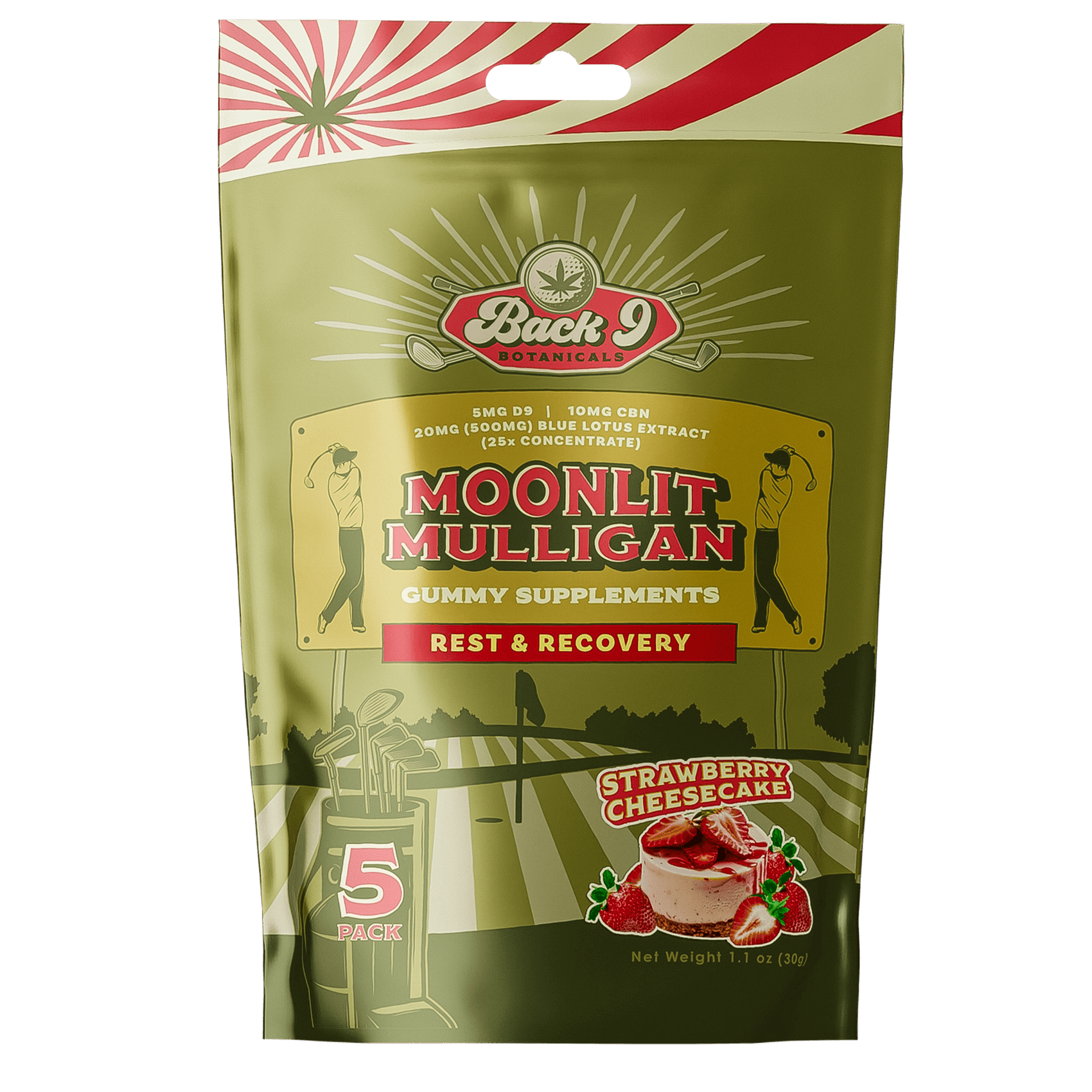
Moonlit Mulligan - Rest & Recovery →
The ideal approach combines both delivery methods: use a topical during or immediately after activity for acute soreness, and an ingestible gummy in the evening to support sleep quality, reduce muscle tension, and promote systemic relaxation. This dual-delivery strategy addresses both immediate, localized soreness and deeper recovery processes during sleep.
Best Hemp Recovery Topicals for Athletes
The best hemp recovery topicals contain broad-spectrum or full-spectrum hemp oil combined with proven botanical actives that enhance absorption and target inflammation.
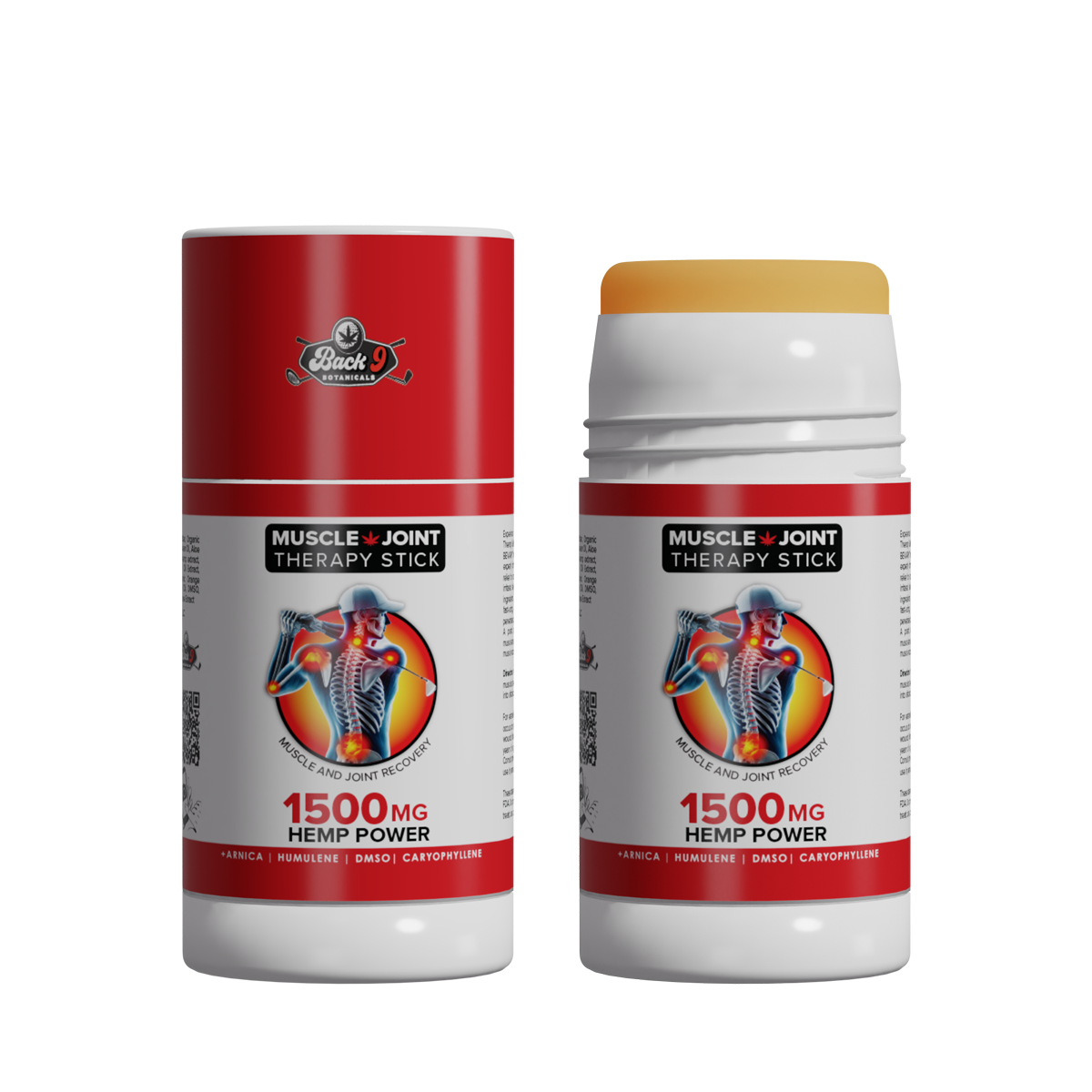
CBD Topical Therapy Stick from Back 9 Botanicals delivers 1500 mg of broad-spectrum hemp oil (with over 1100 mg CBD, plus CBDV and CBG) in a convenient 1 oz stick applicator. The formulation includes arnica for reducing swelling, cayenne extract for warming circulation, clove oil for natural numbing properties, and DMSO for deep tissue penetration. Olive oil, beeswax, and shea butter provide skin conditioning while terpenes like humulene and caryophyllene enhance the anti-inflammatory effect. This is a non-psychoactive option, 0% THC, making it suitable for athletes concerned about drug testing or those who prefer relief without any psychoactive effects.

The stick format eliminates mess and enables precise targeting of sore areas. The broad-spectrum formula delivers the full range of cannabinoids and terpenes without THC, ideal for daytime recovery support.
CBD vs THC for Athletic Recovery
Understanding the difference between CBD and THC is essential when choosing hemp recovery alternatives, especially if you're an athlete with specific concerns about testing or desired effects.
Quality Standards and Third-Party Testing
Understanding Third-Party Lab Reports
Cannabinoid Potency Section, This lists the exact milligrams of each cannabinoid found in the product. The COA should show cannabinoid content within 10% of the label claim. Cross-reference the label claim against the COA number; they should align.
Contaminant Testing, Look for results on:
- Heavy metals (lead, cadmium, arsenic, mercury), should show "Not Detected" or levels below FDA limits
- Pesticides, should show "Not Detected" for common agricultural pesticides
- Microbial pathogens (E. coli, salmonella, mold), should show "Not Detected"
- Solvent residues (butane, hexane, ethanol), should be absent or below safe limits
Red Flags When Reviewing COAs
- No COA available, Legitimate companies make COAs easily accessible.
- Lab is company-owned, The lab should be independent, not owned by the brand.
- Dates are old, A COA should be recent (within 6 months) to reflect the current batch.
- Cannabinoid content far exceeds label claims, Significant discrepancies indicate mislabeling or quality control issues.
- Contaminant testing is incomplete, A thorough COA tests for heavy metals, pesticides, and microbial pathogens.
Full-Spectrum vs. Broad-Spectrum vs. Isolate
Extraction Method and Quality Indicators
Verification Best Practices
Choosing the Right Hemp Recovery Product
Selecting a hemp recovery alternative depends on your specific needs, timeline, and whether you want psychoactive effects. Start by identifying your primary goal: acute soreness (topical), evening recovery and sleep (ingestible with THC), daily wellness (daytime ingestible), or complete routine (stacked system). If you face drug testing, stick to CBD-only topicals or broad-spectrum ingestibles with 0% THC. Verify third-party testing before purchasing and confirm the lab is independent.
| Recovery Goal | Product Type | Key Ingredients | Best Timing |
|---|---|---|---|
| Acute soreness | Topical stick | CBD, arnica, cayenne, DMSO | During/after activity |
| Sleep and relaxation | Ingestible gummy | THC, CBN, Blue Lotus | Evening before bed |
| Daily focus and energy | Ingestible gummy | Delta 9 THC, magnesium, B12 | Morning or pre-activity |
| Complete routine | Stacked bundle | Multiple formulas | Throughout the day |
Frequently Asked Questions
What are the best hemp recovery alternatives for post-workout recovery?
Hemp-derived CBD and THC products offer targeted relief through two main delivery methods: topical salves for localized muscle and joint support, and ingestible gummies for systemic recovery and sleep support. Topicals like the CBD Topical Therapy Stick (1500 mg) work within minutes on specific areas, while ingestible cannabinoids support whole-body relaxation and restorative sleep. The best choice depends on whether you need targeted muscle relief or comprehensive recovery support.
How do hemp-derived cannabinoids compare to traditional recovery supplements?
Hemp-derived cannabinoids interact with your body's endocannabinoid system to address inflammation and tension at a physiological level, whereas traditional supplements typically provide nutritional support. Full-spectrum and broad-spectrum hemp products contain multiple cannabinoids, terpenes, and flavonoids that work together, an effect called the entourage effect. This multi-compound approach can provide more comprehensive relief than single-ingredient supplements, particularly for muscle soreness and sleep quality.
Is it safe to use hemp-derived recovery products daily for wellness?
Hemp-derived products containing less than 0.3% Delta-9 THC by mass are federally legal under the 2018 Farm Bill and designed for daily use. However, individual tolerance varies based on body chemistry, dosage, and existing medications. Start with lower doses and monitor your response. If you take prescription medications, especially those that affect the liver or interact with cannabinoids, consult a healthcare provider before daily use to avoid potential interactions.
What should I look for in a high-quality hemp recovery product?
Look for products with third-party lab testing (certificate of analysis), clear cannabinoid potency labeling, and transparent ingredient lists. Broad-spectrum or full-spectrum hemp extracts offer more therapeutic benefit than isolates. Check that the product specifies CBD/THC content per serving, uses clean extraction methods, and includes complementary ingredients like magnesium, arnica, or Blue Lotus for enhanced effects. Reputable brands provide accessible lab reports verifying purity and potency.
How does THC-infused recovery differ from CBD-only products?
CBD-only topicals target localized inflammation and muscle tension without psychoactive effects, making them ideal for daytime use. THC-infused ingestibles like gummies combine pain relief with relaxation and can support sleep quality, making them better for evening recovery. THC may also enhance the entourage effect when combined with CBD and other cannabinoids. Choose based on your timing: CBD topicals for immediate post-activity relief, THC-infused gummies for evening wind-down and sleep support.

