
 Cart (0 items)





Explore CBD alternatives for athlete recovery. Compare natural supplements, topicals, and hemp-based options for muscle soreness and inflammation relief.
CBD Alternatives for Athlete Recovery: Complete Guide

Table of Contents
- Why Athletes Seek CBD Alternatives for Athlete Recovery
- Full-Spectrum Hemp vs. Isolate: Understanding the Difference
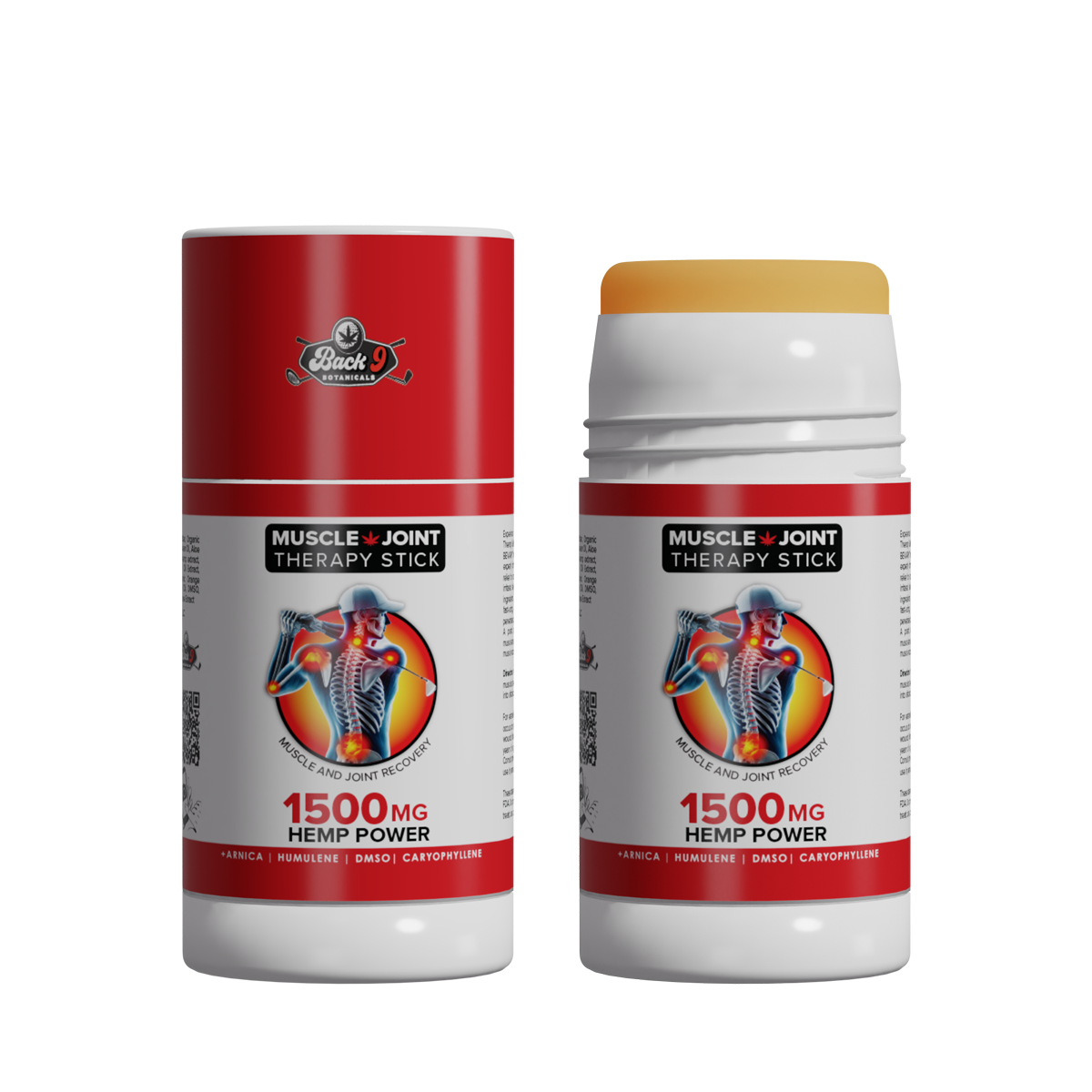
- Topical Application for Muscle Soreness and Joint Pain
- Best Natural Anti-Inflammatory Herbs for Chronic Joint Pain
- Magnesium Glycinate for Muscle Soreness: Recovery Support
- Benefits of Tart Cherry Juice for Athletes and Active Recovery
- Drug Testing and Legal Considerations for Hemp-Derived Products
- Building Your Personal Recovery Protocol
- Frequently Asked Questions
Last Updated: September 25, 2026
Why Athletes Seek CBD Alternatives for Athlete Recovery
When it comes to CBD alternatives for athlete recovery, the options extend far beyond a single product category. Combining topical applications, herbal supplements, and functional nutrients creates a more comprehensive approach than relying on any single solution.
Recovery isn't one-size-fits-all. Some athletes respond well to topical treatments applied directly to sore joints and muscles; others prioritize oral supplements that work systemically. Many use a combination of both, depending on the type of activity and specific areas of concern.
The endocannabinoid system manages inflammation and pain signals, which is why hemp-derived products have gained attention.
Pro Tip
The most effective recovery protocols aren't about finding one miracle product, they're about layering complementary approaches that address inflammation, muscle soreness, and sleep quality simultaneously.
Full-Spectrum Hemp vs. Isolate: Understanding the Difference
Full-spectrum hemp products contain the complete range of cannabinoids, terpenes, and flavonoids found in the plant, sometimes called the "entourage effect," where compounds work synergistically to amplify benefits. Broad-spectrum products remove most THC while retaining other cannabinoids and terpenes, offering a middle ground without psychoactive effects.
Topical Application for Muscle Soreness and Joint Pain
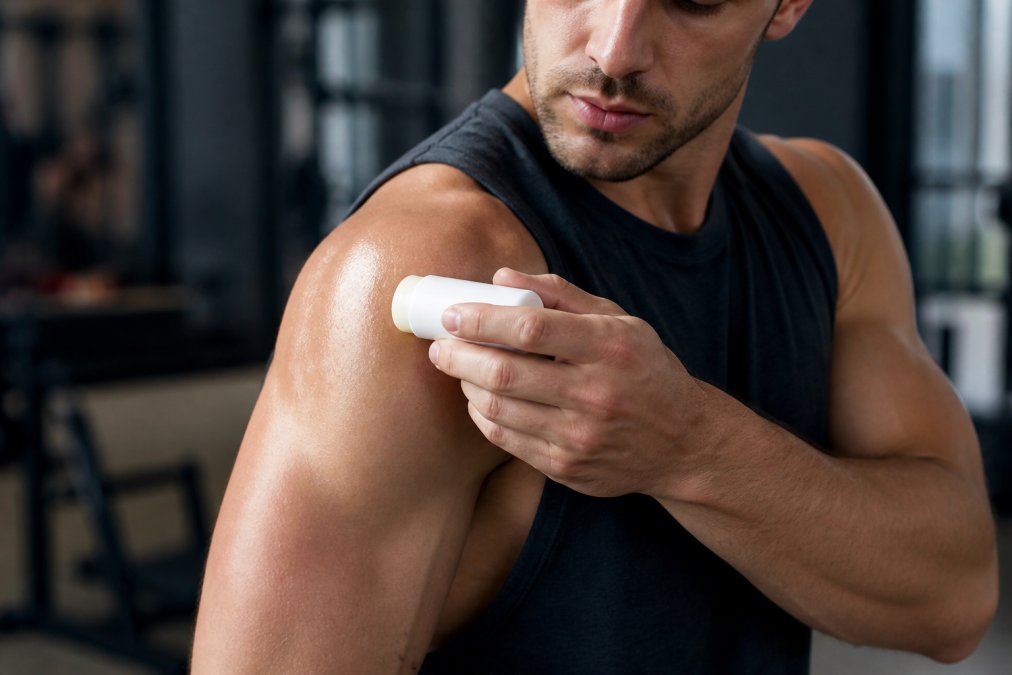
Topical CBD and hemp products deliver cannabinoids and botanical compounds directly to affected tissues, interacting with cannabinoid receptors in the skin and underlying muscle layers to reduce localized inflammation and muscle tension without systemic absorption.
Key Takeaway
Topical hemp products are most effective for localized muscle soreness and joint discomfort when applied soon after activity, combined with other recovery methods like stretching and proper rest.
Best Natural Anti-Inflammatory Herbs for Chronic Joint Pain
Several herbs have been studied for their anti-inflammatory properties and work through different mechanisms than cannabinoids. The most effective herbal recovery strategy depends on your sport and the type of stress your body experiences.
Core Anti-Inflammatory Herbs and Their Mechanisms
Sport-Specific Herbal Protocols
For High-Impact and Grappling Sports (BJJ, MMA, Wrestling, Basketball):
- Boswellia + Turmeric combination: Boswellia's boswellic acids may slow cartilage degradation, while curcumin reduces inflammatory signaling. This pairing addresses both acute inflammation and long-term joint health.
- Add collagen peptides: Collagen provides the structural substrate for cartilage repair. Type II collagen specifically supports joint cartilage. Combined with boswellia and turmeric, this creates a protocol targeting inflammation reduction and tissue repair simultaneously.
- Timing: Take herbal anti-inflammatories daily, not just post-workout. Chronic joint stress in grappling sports requires sustained anti-inflammatory support.
For Endurance Sports (Running, Cycling, Triathlon):
- Ginger + Rosemary combination: Ginger supports circulation and reduces muscle soreness signaling. Rosemary's carnosic acid protects muscle tissue from oxidative damage. This pairing addresses both acute soreness and systemic recovery.
- Add tart cherry: Tart cherry's anthocyanins work synergistically with ginger and rosemary to reduce exercise-induced inflammation. Endurance athletes who combine tart cherry juice with ginger supplementation report faster recovery than either alone.
- Timing: Consume post-workout when inflammation is highest and the body is primed to absorb anti-inflammatory compounds.
For Strength and Power Sports (Weightlifting, Powerlifting, Sprinting):
- Turmeric + Ginger combination: Both reduce inflammatory signaling and may support muscle repair. Curcumin may also enhance the body's natural antioxidant defenses, protecting muscle tissue from oxidative stress.
- Add magnesium glycinate: Magnesium supports muscle protein synthesis and reduces muscle soreness. Combined with turmeric and ginger, this addresses inflammation, muscle repair, and soreness reduction.
- Timing: Take immediately post-workout, when muscles are most receptive to anti-inflammatory and recovery support.
Practical Implementation and Bioavailability
Synergistic Combinations Beat Single Herbs
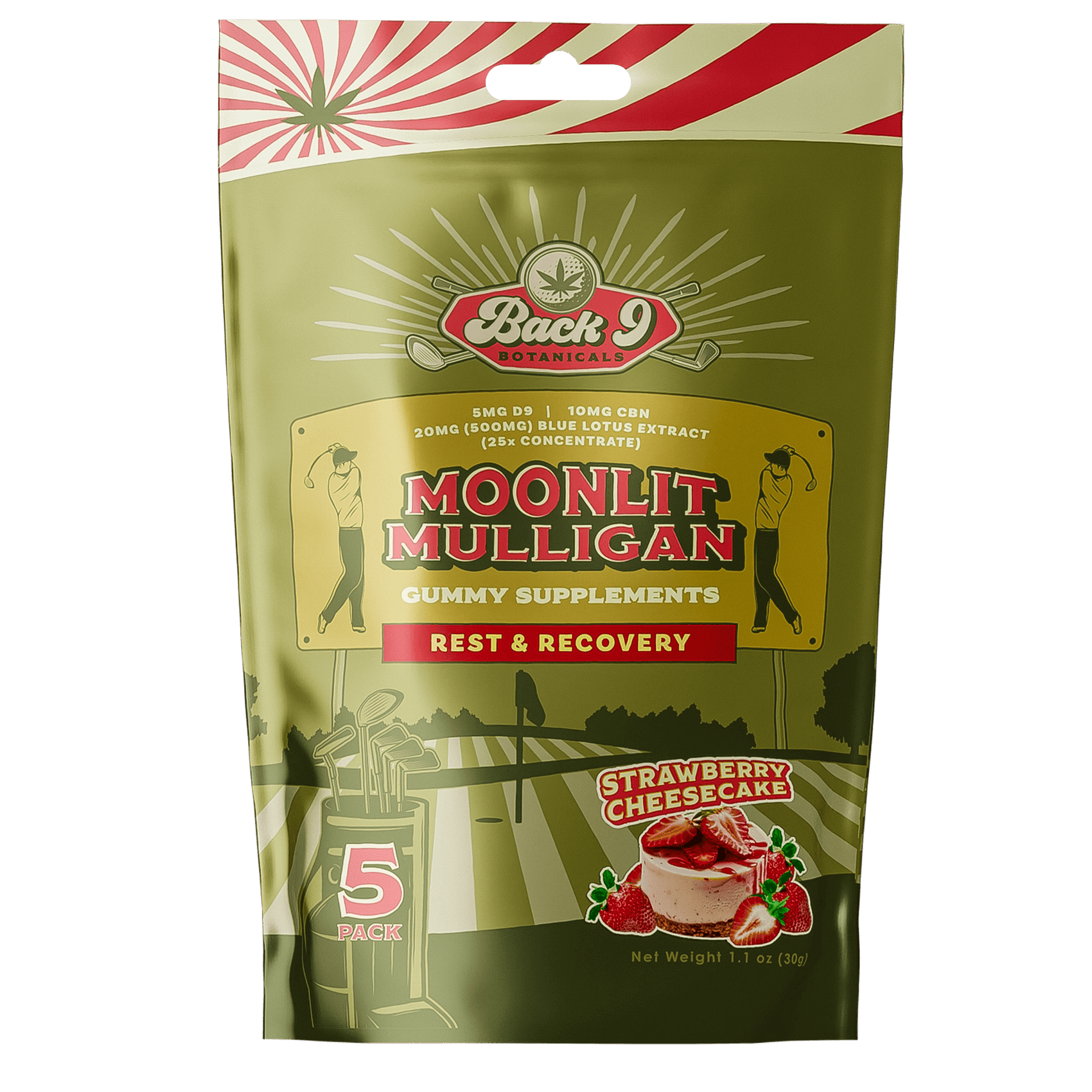
Moonlit Mulligan - Rest & Recovery →
Key Takeaway
Herbal anti-inflammatories are most effective when chosen for your specific sport, combined with complementary herbs that address inflammation through multiple pathways, and taken consistently over weeks, not as acute one-time remedies.
Magnesium Glycinate for Muscle Soreness: Recovery Support
Magnesium glycinate is a highly absorbable form of magnesium bound to glycine, an amino acid that supports muscle function and recovery. This form is gentler on the digestive system than other magnesium supplements and crosses the blood-brain barrier more effectively, supporting both physical relaxation and sleep quality. Integrating this mineral into a nightly routine works in tandem with the strategic use of home recovery equipment to optimize the body's natural repair processes.
Benefits of Tart Cherry Juice for Athletes and Active Recovery
Tart cherry juice has emerged as one of the most researched natural recovery aids for athletes. The fruit contains anthocyanins and polyphenols, compounds with potent anti-inflammatory and antioxidant properties. These compounds may reduce exercise-induced inflammation and muscle damage, potentially accelerating recovery.
Watch Out
Tart cherry juice is most effective when consumed as part of a consistent recovery routine, not as a single remedy for acute soreness. Individual responses vary, and benefits typically emerge over weeks of regular use.
Drug Testing and Legal Considerations for Hemp-Derived Products
This is where the conversation becomes critical for competitive athletes. Hemp-derived CBD and other cannabinoids are federally legal under the 2018 Farm Bill, provided they contain no more than 0.3% Delta-9 THC by mass. However, legality and athletic eligibility are not the same thing.
Understanding THC Contamination Risk
Sport-Specific Testing Policies
- NCAA: Prohibits all cannabinoids, including CBD. Athletes cannot use any hemp-derived product without risking eligibility.
- Professional Golf: The PGA Tour and other professional golf organizations do not currently test for cannabinoids, but this can change. Amateurs competing in USGA events should verify current policy before using any hemp product.
- Track and Field / Endurance Sports: USA Track & Field and similar organizations follow WADA standards, which permit CBD isolate but prohibit THC and other cannabinoids.
- Combat Sports: Athletic commissions vary by state. Some states prohibit all cannabinoids; others permit CBD isolate. Fighters and grapplers must check their specific state athletic commission rules before competition.
- Military: The Department of Defense prohibits all cannabinoids, including CBD, for active-duty personnel and some reserve components.
Practical Risk Mitigation
- Verify your sport's specific policy. Do not assume WADA compliance means your sport permits CBD. Contact your governing body directly.
- Choose isolate over full-spectrum. If your sport permits CBD, use CBD isolate products only. Avoid broad-spectrum and full-spectrum products entirely.
- Request third-party lab testing. Reputable manufacturers provide certificates of analysis (COA) showing exact cannabinoid profiles. Request the COA before purchasing and verify that THC is below detectable limits (typically <0.01%).
- Disclose to your medical team. If you work with a team physician, coach, or sports medicine professional, inform them of any hemp product use. They can advise on timing and help document your use in case of a positive test.
- Understand testing sensitivity. Modern drug tests can detect THC at levels as low as 15 ng/mL in urine. Some ultra-sensitive tests go lower. Even trace THC from a contaminated product can trigger a positive result.
- Time your use carefully. THC metabolites can remain detectable for varying periods after use. If you use any hemp product, allow adequate time before competition or testing.
The Bottom Line for Competitive Athletes
Watch Out
If you compete at any level or are subject to drug testing, verify your specific sport's cannabinoid policy before using any hemp product. Assume full-spectrum and broad-spectrum products are prohibited. Use only CBD isolate from manufacturers providing third-party lab testing, or avoid hemp products altogether.
Building Your Personal Recovery Protocol
A sustainable recovery protocol layers multiple modalities based on your specific needs, training intensity, and body's response patterns. The most effective approach combines topical relief for acute soreness, systemic support through oral supplements, and lifestyle factors like sleep and stress management.
| Recovery Modality | Best Timing | Primary Benefit | Frequency |
|---|---|---|---|
| Topical salve | Post-workout | Localized inflammation, muscle tension | As needed, 1-2x daily |
| Magnesium glycinate | Evening | Muscle relaxation, sleep quality | Daily |
| Tart cherry juice | Post-workout | Systemic anti-inflammatory support | Daily or 3-5x weekly |
| Sleep-supporting gummies | Before bed | Recovery optimization, CNS restoration | Nightly |
| Herbal anti-inflammatory | With meals | Chronic inflammation management | Daily |
Frequently Asked Questions
What are the best CBD alternatives for athlete recovery?
The most effective alternatives include full-spectrum and broad-spectrum hemp products, topical salves with high CBD concentrations, magnesium glycinate supplements, tart cherry juice, and natural anti-inflammatory herbs like arnica and turmeric. Full-spectrum products contain multiple cannabinoids and terpenes that work synergistically through the entourage effect, potentially offering stronger relief than CBD isolate alone. Topical applications target specific areas of muscle soreness and joint pain without systemic effects, while magnesium supports muscle relaxation and recovery. Combining approaches often yields better results than relying on a single product.
Will hemp-derived CBD show up on drug tests for athletes?
Hemp-derived CBD products containing less than 0.3% Delta-9 THC are federally legal under the 2018 Farm Bill, but standard drug tests may still detect THC metabolites. Competitive athletes should verify their sport's testing standards, some organizations follow WADA (World Anti-Doping Agency) guidelines, which prohibit cannabinoids. Broad-spectrum products with 0% THC offer a safer option for tested athletes, though third-party lab testing is essential to confirm THC absence. Always check your specific sport's regulations before using any hemp-derived product.
How does magnesium glycinate for muscle soreness compare to other recovery methods?
Magnesium glycinate is highly absorbable and supports muscle relaxation, reducing cramps and post-exercise soreness. Unlike topical applications that target surface areas, magnesium works systemically to aid muscle function and sleep quality, both critical for recovery. It pairs well with other recovery methods like stretching, ice therapy, and anti-inflammatory herbs. Many athletes use it as part of a daily wellness routine rather than as an acute treatment, making it ideal for ongoing DOMS (delayed-onset muscle soreness) management.
What makes broad-spectrum hemp oil different from full-spectrum for recovery?
Full-spectrum hemp oil contains all cannabinoids, terpenes, and flavonoids from the plant, including trace amounts of THC (under 0.3%). This creates the entourage effect, where compounds amplify each other's benefits. Broad-spectrum removes THC while retaining other cannabinoids like CBD, CBDV, and CBG, plus terpenes. For athletes concerned about drug testing, broad-spectrum is safer. For maximum anti-inflammatory and pain-relief effects, full-spectrum may be more effective, though both require third-party lab verification of their actual composition.
How quickly do topical CBD products work for muscle pain?
Topical CBD products typically begin working within 15-30 minutes, with peak effects around 1-2 hours. Bioavailability depends on the formulation's penetration enhancers, products with DMSO, humulene, and caryophyllene absorb deeper into muscle tissue. Consistency matters: daily application often yields better results than sporadic use. Topicals work best for localized pain like sore shoulders, knees, or lower back, while ingestible forms (gummies, tinctures) address systemic inflammation and overall recovery.

