
 Cart (0 items)





How to improve sleep for athletes: Master sleep strategies for athletic performance. Learn sleep hygiene, recovery timing, and natural supplements.
How to Improve Sleep for Athletes: A 7-Step Guide

Table of Contents
- Why Sleep Matters for Athletic Performance
- Step 1: Establish a Consistent Sleep Schedule
- Step 2: Master Sleep Hygiene for Athletes
- Step 3: Optimize Nutrition and Timing for Better Rest
- Step 4: Use Strategic Napping for Recovery
- Step 5: Address Caffeine, Alcohol, and Sleep Quality
- Step 6: Use Natural Support for Best CBD for Muscle Soreness and Sleep
- Step 7: Track Your Sleep and Adjust Your Routine
- Frequently Asked Questions
Last Updated: September 19, 2026
Why Sleep Matters for Athletic Performance
Sleep is where the real recovery happens. Most athletes focus on their training, nutrition, and supplementation during waking hours, but they miss the fact that athletic performance is built during sleep. Your body repairs muscle tissue, consolidates memory, regulates hormones, and processes the training stress you've accumulated, all while you're unconscious.
The relationship between sleep and athletic performance is direct and measurable. When your sleep suffers, your power output drops, reaction time slows, and injury risk climbs. Your circadian rhythm controls everything from hormone production to cognitive function, and disrupting it costs you on the course and in competition.
At Back 9 Botanicals, we work with athletes who understand that sleep quality determines whether their training translates into real performance gains. The question isn't whether sleep matters, it's how to improve sleep for athletes systematically. Below, we'll show you exactly how to optimize sleep for athletic recovery using a 7-step framework that addresses environment, nutrition, timing, and supplementation.
Step 1: Establish a Consistent Sleep Schedule
Your circadian rhythm thrives on consistency. Going to bed at the same time every night, including weekends, trains your body to fall asleep more easily and wake more refreshed. This isn't about being rigid; it's about giving your nervous system a predictable pattern to follow.
Start by picking a bedtime that allows for 7-9 hours of sleep before you need to wake (the CDC). Stick to it for at least two weeks before you evaluate results. Your sleep latency (the time it takes to fall asleep) will improve as your body learns the pattern. The consistency matters more than the exact hour, a 10 p.m. bedtime followed religiously beats a variable schedule that shifts between 9 p.m. and midnight.
One practical move: set a "wind-down alarm" 30 minutes before your target bedtime. This signals your brain that sleep is approaching and gives you time to transition from active tasks to rest. Many athletes skip this step and wonder why they lie awake for 20 minutes after getting into bed.
Step 2: Master Sleep Hygiene for Athletes
Sleep hygiene is the foundation. It's the set of environmental and behavioral practices that support consistent, deep sleep. Without it, no supplement or strategy will fully compensate.
Control Your Sleep Environment
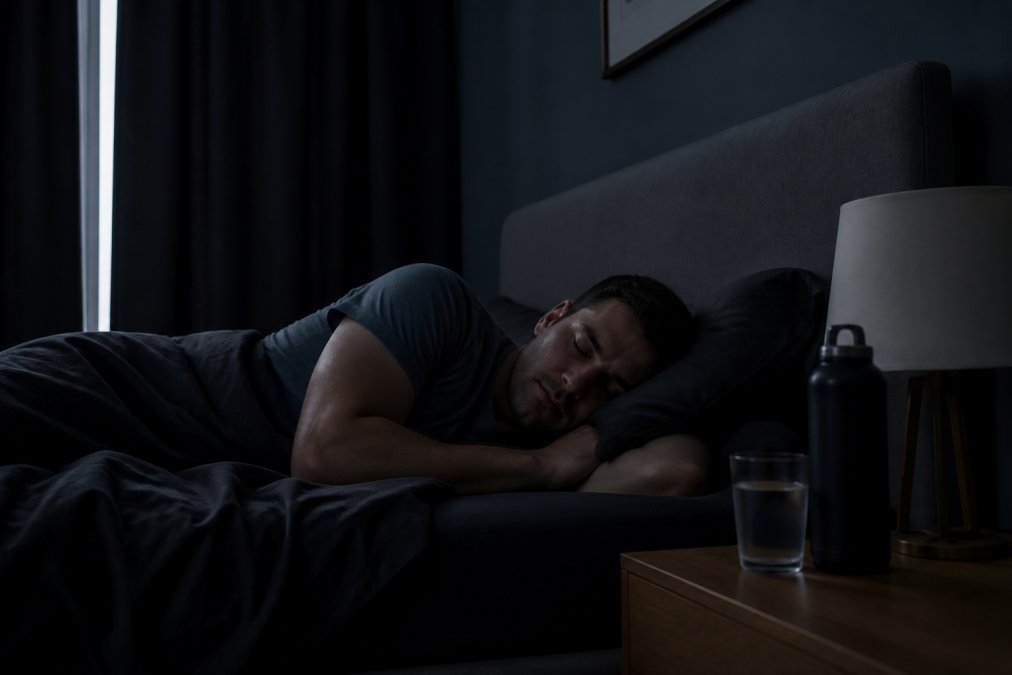
Your bedroom should be cool, dark, and quiet. Temperature matters more than most people realize, a bedroom around 65-68°F supports better sleep than a warmer space. Your core body temperature naturally drops as you approach sleep, and a cool room facilitates that process.
Darkness is equally critical. Any light source, a phone screen, a bedside lamp, even a digital clock, can suppress melatonin production and fragment your sleep architecture. Invest in blackout curtains or a sleep mask. This is non-negotiable if you're serious about sleep quality.
Noise disruption is often overlooked by athletes who train outdoors or travel for competition. White noise machines, earplugs, or apps that play ambient sounds can help. The goal is to eliminate sudden sounds that jolt you awake during the night.
Manage Light and Blue Light Exposure
Blue light from screens suppresses melatonin production, the hormone that signals your body it's time to sleep. Stop using phones, tablets, and computers at least 60 minutes before bed. If you must use screens, enable blue light filters or wear blue light blocking glasses.
Morning light exposure, by contrast, strengthens your circadian rhythm. Get 15-30 minutes of bright light exposure within the first hour of waking. This could be a walk outside, time on a patio, or even a light therapy lamp on cloudy days. This practice anchors your sleep-wake cycle and improves sleep consistency.
Step 3: Optimize Nutrition and Timing for Better Rest
What you eat and when you eat it directly affects sleep quality. Large meals close to bedtime force your digestive system to work when it should be winding down. Finish eating at least 2-3 hours before sleep.
Certain foods support sleep better than others. Tryptophan-rich foods like turkey, chicken, eggs, and dairy contain an amino acid that your body converts to serotonin and melatonin. Pairing protein with carbohydrates enhances tryptophan absorption, a small bowl of oatmeal with Greek yogurt, for example, is a solid pre-sleep snack.
Avoid high-glycemic foods close to bedtime, as they can cause blood sugar spikes followed by crashes that disrupt sleep. A banana with almond butter is a better choice than a candy bar. Hydration matters too, drink enough water throughout the day, but taper fluid intake in the evening to avoid nighttime bathroom trips that fragment your sleep.
Step 4: Use Strategic Napping for Recovery
Napping is a legitimate recovery tool when used correctly, but it requires understanding sleep-cycle physiology to avoid backfiring. A 20-30 minute nap allows you to reach light sleep and early Stage 2 NREM sleep without entering deep sleep or REM, which means you wake alert rather than groggy. A 60-90 minute nap lets you complete a full sleep cycle, including deep sleep and REM, and can significantly boost physical recovery and cognitive function, but only if you have time to sleep through the full cycle and wake naturally.
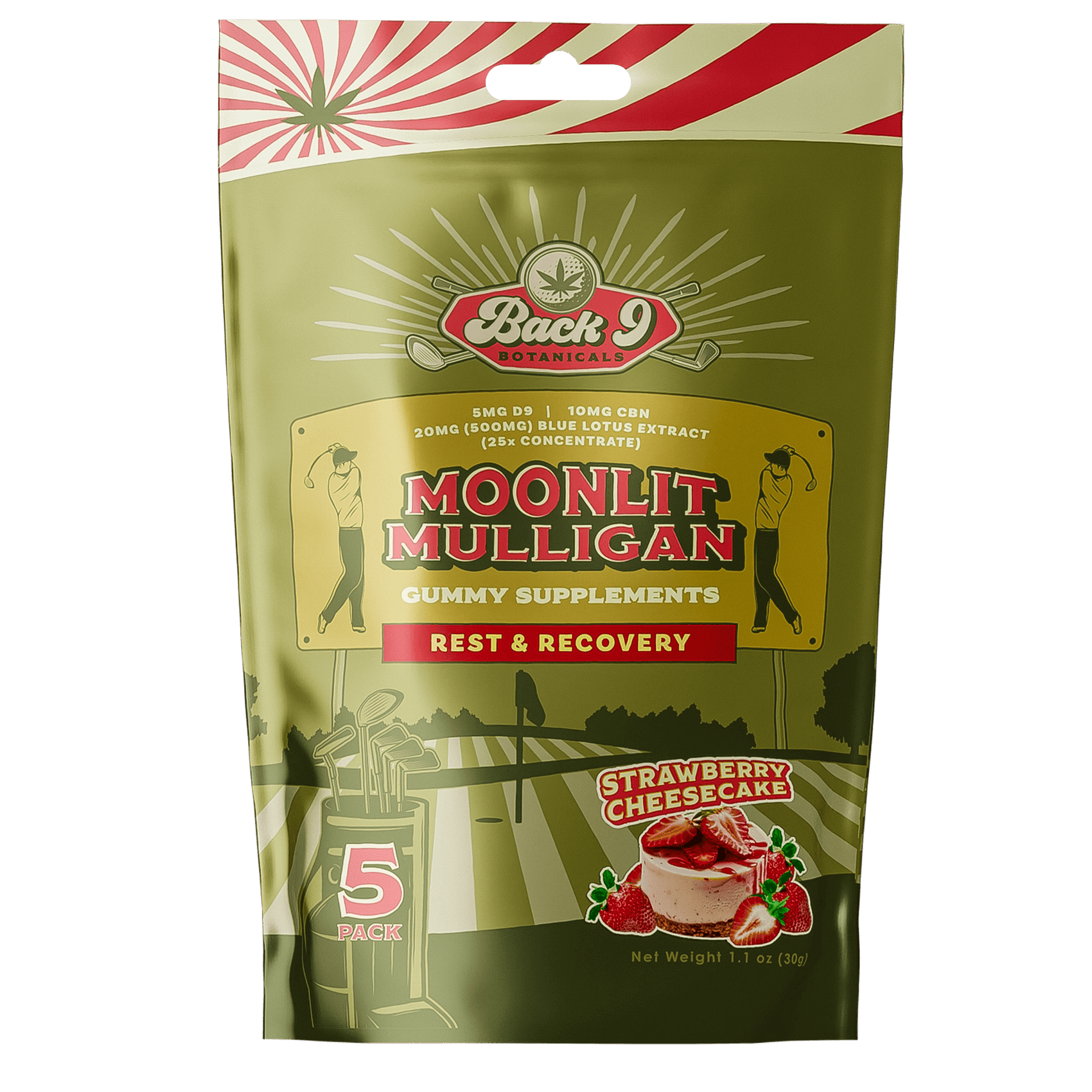
Moonlit Mulligan - Rest & Recovery →
Timing is critical and sport-dependent. For endurance athletes (distance runners, cyclists, triathletes), a 60-90 minute nap in the early afternoon (1-3 p.m.) can restore glycogen and mental clarity before afternoon training. For explosive-power athletes (sprinters, jumpers, team-sport players), a 20-30 minute nap is often safer because it boosts alertness without the grogginess that can dull reaction time and power output.
Nap no later than 3 p.m. Late naps (4 p.m. or later) can delay your nighttime sleep onset by 30-60 minutes, fragment REM sleep, and reduce total nighttime sleep quality, negating the recovery benefit. Set an alarm so you don't oversleep; waking mid-cycle (at 45 minutes, for example) leaves you disoriented for 10-20 minutes. Proper positioning during these brief rest periods remains essential, especially for those who struggle to sleep with neck pain and need to maintain spinal alignment to ensure the nap actually aids recovery.
Watch for nap dependency. If you find yourself needing a nap every day to function, it often signals insufficient nighttime sleep or overtraining. Napping should supplement, not replace, solid nighttime sleep. Athletes who chronically under-sleep at night and rely on daytime naps typically see worse performance than those who prioritize 7-9 hours of consolidated nighttime sleep.
Many professional sports teams and military special operations units build strategic napping into training protocols, but they do so with clear rules: nap timing, duration, and frequency are matched to training load and competition schedule. Casual napping without these parameters often backfires.
Step 5: Address Caffeine, Alcohol, and Sleep Quality
Caffeine and Sleep Latency
Caffeine has a half-life of 5-6 hours, meaning half the caffeine you consume at noon is still in your system at 5 p.m., and a quarter remains at 11 p.m. However, individual sensitivity varies widely. Some athletes metabolize caffeine quickly and can consume 200 mg at 2 p.m. with minimal sleep impact; others are slow metabolizers and should cut off all caffeine by 10 a.m. to sleep well at 10 p.m.
Test your own threshold by tracking sleep quality (using a wearable or sleep app) against caffeine timing and dose. Most athletes find that consuming more than 100-200 mg within 8 hours of bedtime noticeably delays sleep onset.
Alcohol and Sleep Architecture
Practical Alternatives
Step 6: Use Natural Support for Best CBD for Muscle Soreness and Sleep
Natural botanical support can complement your sleep routine when the fundamentals are in place. Back 9 Botanicals' Moonlit Mulligan Rest & Recovery Gummies combine hemp-derived Delta 9 THC, CBN (cannabinol), and Blue Lotus extract, three compounds studied for their sleep-supporting properties.

Step 7: Track Your Sleep and Adjust Your Routine
What gets measured gets managed. Use a wearable sleep tracker or smartphone app to monitor your sleep duration, sleep efficiency, and time spent in different sleep stages, this is how to improve sleep for athletes with precision. This data tells you which changes actually work for your body.
| Sleep Optimization Strategy | Implementation | Expected Timeline |
|---|---|---|
| Consistent sleep schedule | Same bedtime nightly | 2-3 weeks |
| Cool, dark bedroom | Blackout curtains, temperature control | Immediate |
| Blue light management | Screen cutoff 60 minutes before bed | 1 week |
| Nutrition timing | Last meal 2-3 hours before sleep | 3-5 days |
| Strategic napping | 20-30 min early afternoon naps | Immediate |
| Caffeine cutoff | No caffeine after 2 p.m. | 1-2 weeks |
| Botanical support | Moonlit Mulligan gummies | 1-2 weeks |
| Sleep tracking | Wearable or app-based monitoring | Ongoing |
Frequently Asked Questions
What is the 10-3-2-1 rule for sleep?
The 10-3-2-1 rule is a pre-sleep countdown: 10 hours before bed, cut caffeine; 3 hours before, stop large meals and alcohol; 2 hours before, quit work and stressful activities; 1 hour before, switch off screens and begin winding down. This framework helps align your circadian rhythm and sleep latency with your schedule, making it easier to fall asleep and maintain sleep quality throughout the night.
How many hours of sleep do athletes actually need?
Most athletes need 7-9 hours of sleep per night, though individual needs vary based on training load and sport. Elite athletes often prioritize 8-10 hours during heavy training phases to support deep sleep and REM sleep cycles, which are critical for muscle recovery and cognitive function. Tracking your own sleep efficiency and performance helps you identify your optimal duration.
Can natural supplements help improve sleep for athletes?
Yes. Natural botanicals and hemp-derived supplements can support sleep quality when combined with good sleep hygiene. Products like Moonlit Mulligan Rest & Recovery Gummies blend Delta 9 THC, CBN, and Blue Lotus to promote relaxation and deeper rest without artificial sleep aids. CBN is studied for its sedative properties, while Blue Lotus has traditionally been used to reduce anxiety and improve sleep quality. Always start with the recommended dose and consult a healthcare provider if you're new to supplements.
How does sleep deprivation impact athletic performance?
Sleep deprivation reduces reaction time, decision-making, and motor control, all essential for competitive performance. It also impairs recovery, increases injury risk, and weakens immune function. Even one night of poor sleep can lower strength and endurance. Consistent sleep consistency and adequate sleep duration directly support athletic performance, making recovery sleep as important as training itself.

