
 Cart (0 items)





Learn how to verify CBD supplement purity with lab testing, COA verification, and quality checks. Protect yourself from contaminated products.
How to Verify CBD Supplement Purity: A Step-by-Step Guide

Table of Contents
- What You'll Need Before Starting
- Understanding What CBD Supplement Purity Means
- How to Read a CBD Certificate of Analysis
- CBD Third Party Testing Requirements and Standards
- Verifying QR Codes and Lab Report Authenticity
- Does CBD Show on Drug Tests? What Athletes Need to Know
- Red Flags That Indicate Low-Quality or Contaminated CBD
- Conclusion
Last Updated: August 30, 2026
What You'll Need Before Starting
Before diving into how to verify CBD supplement purity, gather a few essentials. You'll want access to the product's Certificate of Analysis (COA), which most reputable manufacturers provide either on their website or through a QR code on the packaging. A smartphone or computer with internet access is necessary to scan QR codes and cross-reference lab results. If you're evaluating multiple products, keeping a simple spreadsheet or notes document helps you track which labs conducted testing and what contaminants were screened for. Finally, familiarize yourself with basic terminology around cannabinoid potency, extraction methods, and common contaminants. This foundation makes the verification process straightforward rather than overwhelming.
Many athletes and health-conscious consumers understand that third-party testing is non-negotiable when choosing CBD products. The investment in learning how to read these documents pays dividends in confidence about what you're actually consuming.
Understanding What CBD Supplement Purity Means
CBD supplement purity refers to the absence of unwanted contaminants and the accuracy of cannabinoid content listed on the label. When you verify CBD supplement purity, you're checking three critical dimensions: whether the product contains the amount of CBD claimed, whether harmful substances like heavy metals or pesticides are present, and whether the manufacturing and testing processes meet industry standards.
Purity isn't just about the CBD itself. It encompasses the entire profile of what's in the bottle. A pure CBD product contains the stated cannabinoid concentrations, is free from microbial contamination, residual solvents, and heavy metals, and comes from a reputable hemp source with transparent extraction methods. The difference between a pure product and a contaminated one can be the difference between experiencing genuine benefits and wasting money on something ineffective or potentially harmful.
Third-party laboratory testing is the only reliable way to verify these claims. When a manufacturer sends their product to an independent lab for testing, that lab produces a detailed report showing exactly what's in the product. This is fundamentally different from manufacturer claims alone, which carry no external verification. The certificate of analysis becomes your proof of purity.
How to Read a CBD Certificate of Analysis
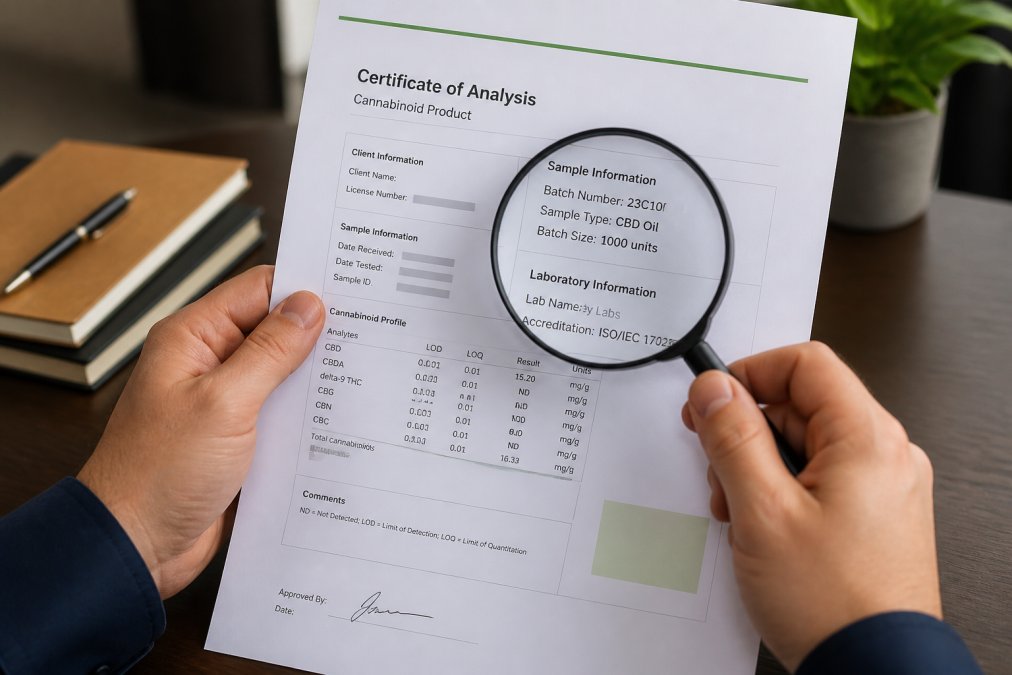
A Certificate of Analysis is a detailed laboratory report that breaks down the exact composition of a CBD product. Understanding how to read this document is the cornerstone of verifying CBD supplement purity.
Identifying the lab and batch number
Start by confirming the testing lab's legitimacy. Reputable labs are accredited by recognized bodies and maintain transparent contact information. The batch number on the COA should match the batch number on your product's packaging. This connection proves the lab tested the exact product you purchased, not a different batch from the same manufacturer. If the batch numbers don't align, the COA doesn't apply to your product.
Look for the lab's name, address, and accreditation status. Some labs display ISO 17025 certification, which indicates they meet international standards for testing competency (iso.org). Cross-reference the lab's name with industry directories to confirm it's a legitimate operation. Fraudulent manufacturers sometimes create fake lab reports or use non-existent labs, so this verification step catches obvious red flags immediately.
Reading cannabinoid potency results
The potency section shows the concentration of cannabinoids in your product, typically measured in milligrams per milliliter (mg/mL) or as a percentage. The report lists CBD content, THC content, and often other cannabinoids like CBG or CBN. Compare these numbers to what the manufacturer claims on the product label. If the label says 1000 mg of CBD but the lab report shows 850 mg, that's a red flag. Acceptable variance is typically within 10% of the claimed amount.
Pay attention to whether the report shows "total CBD" or "active CBD." Total CBD includes both CBD and CBDA (the acidic precursor form), while active CBD refers only to the decarboxylated form. Full-spectrum products will show a more complex cannabinoid profile with multiple compounds present. Broad-spectrum products should show CBD with THC removed or below detectable limits. CBD isolate should show only CBD with no other cannabinoids.
Checking for contaminant screening
This section is where purity truly matters. The lab tests for heavy metals (lead, cadmium, arsenic, mercury), pesticide residues, microbial contamination (E. coli, salmonella), and residual solvents from extraction. Each contaminant has established safety limits. The report should show results for each tested substance, with values marked as either "detected" or "not detected," or with specific concentration levels.
If a contaminant is detected, the report will show whether it exceeds the maximum allowable concentration. Products that pass contaminant screening show all results below established safety thresholds. Some labs also test for mold and mildew (mycotoxins), which is valuable for products stored in humid conditions. The comprehensive nature of testing varies by lab, so more extensive screening generally indicates a more thorough quality assurance process.
CBD Third Party Testing Requirements and Standards
Third-party laboratory testing has become the industry standard for verifying CBD supplement purity, though regulatory frameworks continue to evolve. The FDA does not currently regulate CBD products the same way it regulates pharmaceuticals, which means manufacturers bear responsibility for ensuring product safety and accuracy (the FDA).
Many states have adopted testing requirements for hemp-derived CBD products. These standards typically mandate testing for cannabinoid potency, microbial contamination, heavy metals, pesticide residues, and residual solvents. Some states specify which labs are approved to conduct testing, while others accept results from any accredited laboratory. Understanding your state's specific requirements helps you identify whether a product meets local standards.
Industry organizations and trade associations have established testing protocols that go beyond minimal legal requirements. These guidelines recommend testing frequency, acceptable contamination limits, and documentation standards. Manufacturers committed to quality often exceed baseline regulatory requirements because they understand that consumer trust depends on transparency. Products tested by labs accredited to ISO 17025 standards demonstrate a commitment to rigorous quality assurance.
The importance of third-party laboratory testing cannot be overstated. Independent testing removes the conflict of interest inherent in manufacturer-conducted testing. A reputable CBD manufacturer welcomes third-party verification because it proves their quality claims are legitimate.
Verifying QR Codes and Lab Report Authenticity
Modern CBD products increasingly feature QR codes that link directly to lab reports, making verification convenient. However, QR code authenticity requires verification itself.
Scan the QR code on the product packaging using your smartphone's camera or a QR code reader app. The link should direct you to the manufacturer's website or the testing lab's portal. Verify that the URL in your browser matches the legitimate domain, fraudsters sometimes create URLs that look similar to authentic ones but contain subtle misspellings. The lab report that loads should display the product name, batch number, and testing date.
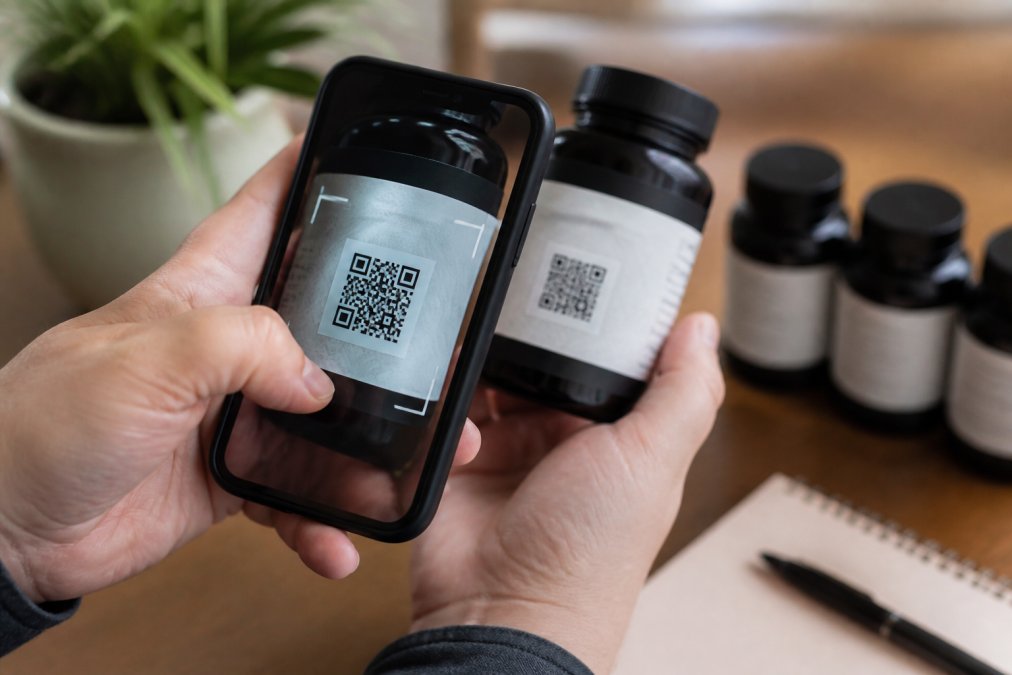
Cross-reference the batch number displayed in the QR code results with the batch number printed on your product's physical packaging. These must match exactly. Check the testing date to ensure the report is recent, products tested more than a year ago may not reflect current manufacturing batches if the company has made any changes to their processes.
Contact the testing lab directly if you have doubts about a report's authenticity. Legitimate labs maintain contact information and can confirm whether they tested a specific product. This verification step catches counterfeit reports and ensures you're looking at genuine lab data rather than a fabricated document.
Does CBD Show on Drug Tests? What Athletes Need to Know
This question matters significantly for athletes, particularly those competing in organized sports or concerned about workplace drug screening. The answer depends on the type of CBD product and the specificity of the drug test.
Full-spectrum CBD products contain trace amounts of THC, the psychoactive compound in cannabis. While full-spectrum products are legal at the federal level if they contain less than 0.3% THC, this trace amount can potentially accumulate in your system with regular use (ams.usda.gov). Standard drug tests screen for THC metabolites, which could theoretically show a positive result from full-spectrum CBD consumption, especially with frequent use.
Broad-spectrum CBD products have THC removed through additional processing, reducing (though not completely eliminating) the risk of a positive drug test. CBD isolate contains only pure CBD with no THC, making it the safest choice for athletes subject to drug testing. However, even isolate products can be contaminated during manufacturing if the same equipment processes full-spectrum products without thorough cleaning.
For competitive athletes, the safest approach is selecting CBD isolate from a manufacturer with rigorous quality control and a COA confirming THC is not detected. If you're subject to drug testing, inform the testing administrator that you're using CBD and provide your product's lab report. This transparency protects you and creates documentation of your legitimate use.
Back 9 Botanicals products are formulated with athletes in mind, and our commitment to clean formulas means you can verify exactly what you're consuming through our transparent lab testing approach.
Red Flags That Indicate Low-Quality or Contaminated CBD
Certain warning signs suggest a CBD product hasn't undergone proper verification or quality control. Learning to spot these red flags protects you from wasting money on ineffective products or exposing yourself to contaminants.
A manufacturer that refuses to provide a Certificate of Analysis is an immediate red flag. Legitimate companies make COAs readily available on their website or through QR codes on packaging. If you request a lab report and the company deflects, delays, or provides vague responses, that's a strong signal the product hasn't been properly tested or the results are unfavorable.
Prices that seem too good to be true often are. Extremely cheap CBD products may indicate lower quality hemp, less rigorous testing, or inadequate manufacturing standards. Quality CBD products require investment in premium hemp sourcing, proper extraction methods, third-party testing, and quality assurance. Suspiciously low pricing suggests corners were cut somewhere in the process.
Lab reports with missing sections are concerning. A comprehensive COA includes cannabinoid potency, heavy metal screening, pesticide residue testing, microbial contamination analysis, and residual solvent testing. If a report omits any of these categories, the product hasn't undergone complete testing. Incomplete testing leaves uncertainty about whether harmful contaminants are present.
Vague or non-specific lab results warrant skepticism. Reports should show specific concentrations for each tested substance, not just "pass" or "fail" statements. Detailed data demonstrates the lab conducted thorough analysis. Reports that lack specificity or contain unusual terminology may be fabricated or poorly conducted.
A manufacturer's inability to clearly explain their extraction method is another warning sign. Reputable companies use CO2 extraction, ethanol extraction, or other established methods that minimize residual solvents. If a manufacturer can't or won't explain their extraction process, they may be hiding something about their manufacturing practices.
Products from manufacturers with no online presence, no verifiable customer reviews, or no clear business information should be approached with caution. Established CBD companies maintain professional websites, respond to customer inquiries, and have documented histories. New companies can be legitimate, but they should still demonstrate professionalism and transparency.
Conclusion
Verifying CBD supplement purity protects your health and ensures you're getting what you pay for. The process centers on three steps: obtaining the Certificate of Analysis, understanding what the lab results mean, and cross-referencing batch numbers and lab credentials. This verification becomes easier with practice, and the confidence it provides is worth the effort.
Back 9 Botanicals believes transparency is non-negotiable. Our products include detailed Certificates of Analysis showing complete cannabinoid profiles, comprehensive contaminant screening, and verified batch information. When you choose Back 9 Botanicals, you're selecting a brand that welcomes scrutiny and backs claims with third-party data. View our lab tests and see exactly what goes into every formula, because knowing what you're consuming matters.
Frequently Asked Questions
Q: What is a Certificate of Analysis (COA) for CBD products?
A: A Certificate of Analysis is a third-party lab report documenting the cannabinoid profile, potency, and contaminant screening results for a specific CBD batch. It shows cannabidiol concentration in milligrams per milliliter, THC content, and tests for heavy metals, pesticides, residual solvents, and microbial contamination. Reputable manufacturers provide COAs for every batch, often accessible via QR code on the product label or their website. This document is your primary tool for verifying CBD supplement purity and ensuring regulatory compliance.
Q: Does CBD show on drug tests?
A: Pure CBD isolate will not trigger a positive drug test because standard workplace tests screen for THC metabolites, not CBD. However, full-spectrum CBD products contain trace amounts of THC (up to 0.3% by federal law), which can accumulate in your system with regular use and potentially show on sensitive drug tests. Broad-spectrum CBD has THC removed but may retain trace amounts. Athletes subject to strict testing should verify THC content on the COA or choose CBD isolate products. Always check your specific testing protocol and inform relevant authorities if you use hemp-derived products.
Q: How can I verify a CBD manufacturer is reputable?
A: Look for manufacturers that provide third-party lab testing from independent laboratories, display COAs publicly or via QR code, and clearly state their hemp source and extraction method (CO2 extraction is a quality indicator). Check if they list batch numbers on product labels and maintain transparent quality assurance practices. Verify the lab used is accredited and not owned by the manufacturer. Read customer reviews and check if the company responds to questions about testing and ingredients. Reputable brands also disclose adverse event reporting policies and comply with FDA guidance on hemp-derived products.
Q: What contaminants should I look for on a CBD lab report?
A: The most important contaminants to check are heavy metals (lead, cadmium, arsenic, mercury), pesticide residue, residual solvents (from extraction), and microbial contamination (bacteria, mold, yeast). Quality lab reports will show results for all of these categories with clear pass/fail indicators. Heavy metal screening is critical because hemp absorbs metals from soil. Pesticide residue and residual solvents indicate poor cultivation or extraction practices. Microbial contamination affects product safety and shelf-life. A comprehensive COA will specify testing methods and acceptable limits, ensuring the product purity meets safety standards for consumption.
This article was written using GrandRanker

