
 Cart (0 items)





Explore natural alternatives to synthetic muscle recovery supplements.
Natural Alternatives to Synthetic Muscle Recovery Supplements

Table of Contents
- Why Athletes Are Ditching Synthetic Recovery Supplements
- What Are Muscle Recovery Supplements and How They Work
- Best Natural Anti-Inflammatory Herbs for Chronic Joint Pain and Muscle Soreness
- Protein and Whole-Food Nutrition for Muscle Tissue Repair
- Benefits of CBD for Athletic Recovery
- Magnesium, Electrolytes, and Micronutrient Recovery Protocols
- Natural vs. Synthetic Supplementation: Bioavailability and Long-Term Outcomes
- Frequently Asked Questions
Last Updated: October 4, 2026
Why Athletes Are Ditching Synthetic Recovery Supplements
Athletes, weekend warriors, and active adults increasingly question whether synthetic muscle recovery supplements deliver results worth the cost and side effects. Natural alternatives to synthetic muscle recovery supplements offer a fundamentally different approach: whole-food nutrition, targeted botanicals, and bioavailable compounds your body actually recognizes and uses.
Alternatives to synthetic muscle recovery supplements often outperform lab-engineered versions because natural extracts and whole foods come with co-factors that enhance absorption. Synthetic compounds require your digestive system to work harder to break them down. Over time, that difference compounds.
What Are Muscle Recovery Supplements and How They Work
Muscle recovery supplements support tissue repair after exercise. Synthetic versions isolate specific compounds far beyond food levels; natural alternatives deliver complete nutrient profiles. A turmeric extract contains curcumin plus hundreds of compounds that amplify anti-inflammatory effects. Collagen from bone broth provides glycine and proline, amino acids connective tissue needs. Natural alternatives give your body what it's equipped to process; synthetic supplements force your body to work harder to extract value. Hydration strategies follow this same principle of bioavailability, as natural electrolyte alternatives provide the essential minerals and trace elements that the body absorbs more efficiently than laboratory-formulated salts.
Best Natural Anti-Inflammatory Herbs for Chronic Joint Pain and Muscle Soreness
Natural anti-inflammatory herbs address post-exercise soreness by working with your body's inflammatory response systems, unlike synthetic NSAIDs that suppress inflammation broadly.
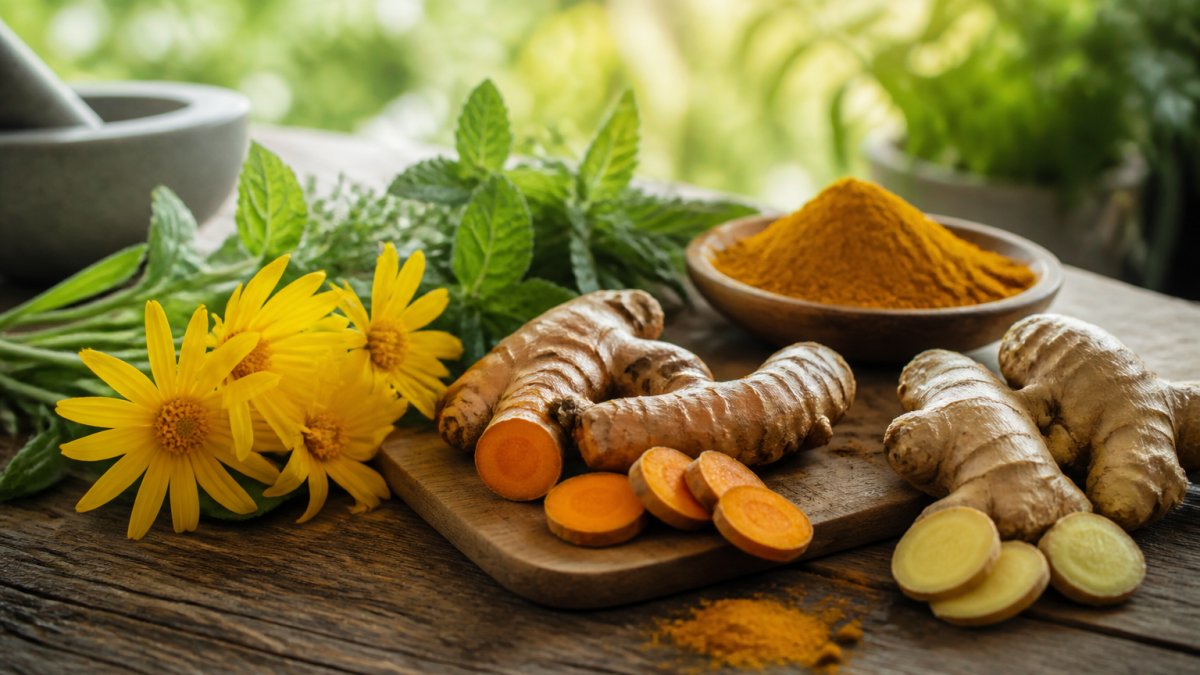
Turmeric reduces oxidative stress that triggers muscle soreness, but curcumin alone has poor bioavailability. Paired with black pepper (piperine), absorption increases dramatically, traditional formulas combine these ingredients because the synergy works.
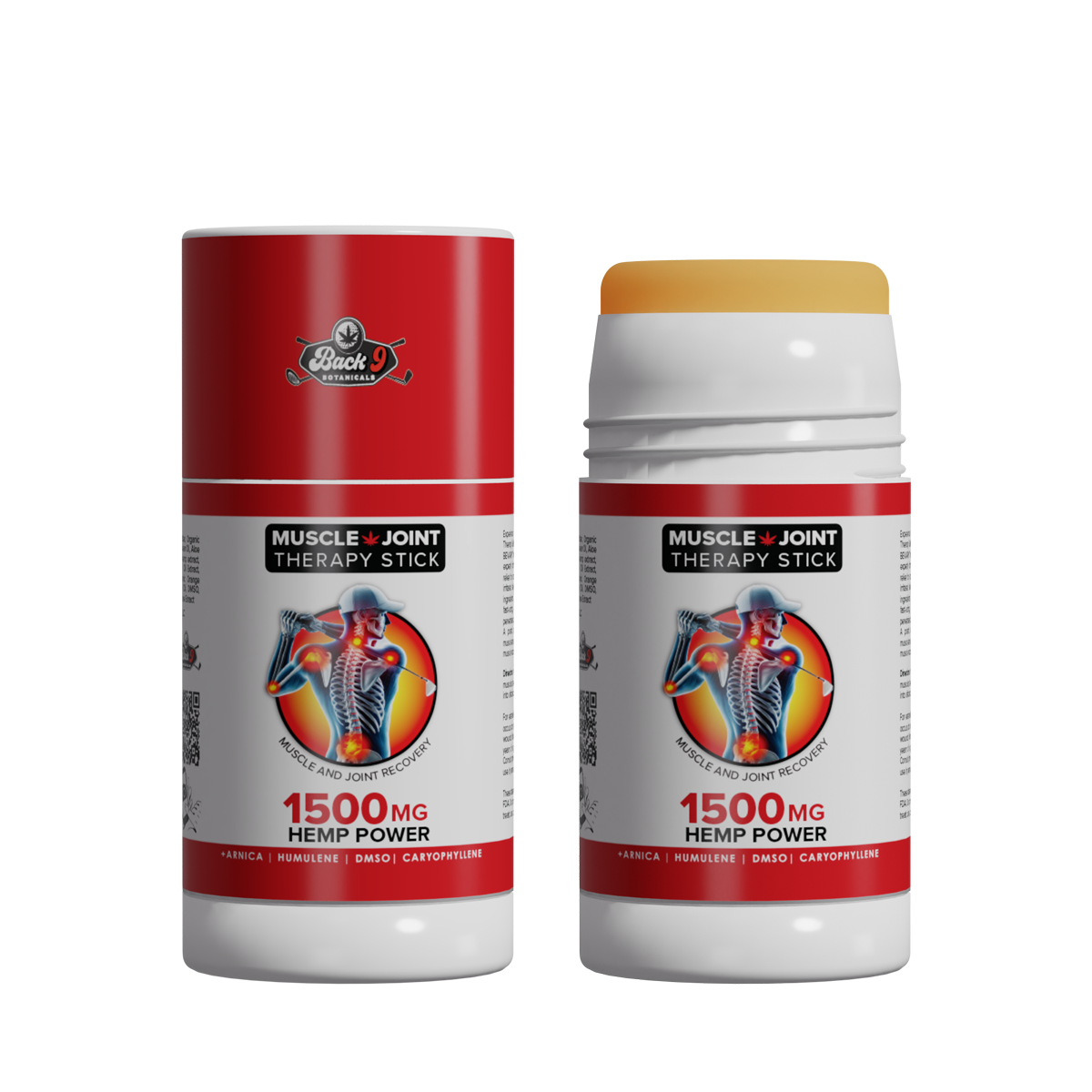
Arnica reduces bruising and swelling by supporting circulation to damaged areas. The CBD Topical Therapy Stick from Back 9 Botanicals combines arnica with CBD, clove oil, and cayenne extract for multi-pathway muscle and joint relief in an easy-to-apply format.

Ginger inhibits inflammatory compounds your body produces. Fresh ginger in tea or meals provides gentle support; dried ginger concentrates the effect. Athletes find it most effective when used consistently.
Boswellia reduces cartilage breakdown and supports connective tissue integrity, crucial for long-term athletic sustainability.
| Herb | Best For | How to Use | Onset |
|---|---|---|---|
| Turmeric | General inflammation, muscle soreness | Powder in food, extract with black pepper | 1-2 weeks consistent use |
| Arnica | Bruising, localized swelling | Topical salve or cream | 24-48 hours |
| Ginger | Joint inflammation, nausea | Fresh tea, dried powder, or extract | 3-5 days |
| Boswellia | Joint structure, cartilage support | Standardized extract, 300-500mg daily | 2-4 weeks |
Protein and Whole-Food Nutrition for Muscle Tissue Repair
Muscle protein synthesis requires all nine essential amino acids in adequate quantities. Your body cannot manufacture these, so they must come from food or supplementation.
Whole-food protein sources deliver complete amino acid profiles plus supporting micronutrients. Chicken provides B vitamins for energy metabolism; eggs contain choline for neural function; fish delivers omega-3s that reduce inflammation; bone broth provides collagen and glycine for connective tissue repair.
Understanding Amino Acid Profiles
Complete proteins contain all nine essential amino acids. Animal sources are complete; most plant proteins are incomplete but can be combined (beans with rice) to create a complete profile.
Leucine, the primary BCAA for muscle protein synthesis, activates the mTOR pathway at roughly 2.5 grams per meal. A 3-ounce chicken breast or whole egg provides about 0.5 grams, so distributed protein intake across meals ensures consistent amino acid availability.
Timing and Quantity for Recovery
Your body remains primed for protein synthesis for 24-48 hours after exercise. Total daily protein intake matters far more than the timing of a single meal.
Aim for 0.7-1.0 grams of protein per pound of body weight daily if training intensely, distributed across 4-5 meals. A palm-sized portion at each meal (roughly 25-35 grams) provides adequate leucine to trigger synthesis.
Synthetic protein powders isolate protein from whole foods, removing supporting nutrients. Whey isolate lacks micronutrients that enhance absorption and can spike insulin rapidly, interfering with fat oxidation during recovery.
Carbohydrate and Fat Pairing
A 2:1 carbohydrate-to-protein ratio post-exercise (roughly 60 grams carbs to 30 grams protein) optimizes glycogen repletion and protein synthesis. Healthy fats support hormonal balance and reduce recovery time; omega-3s reduce inflammation and slow nutrient absorption for steady delivery. A meal combining protein, carbohydrate, and fat delivers superior recovery support.
When Supplementation Makes Sense
Prioritize whole foods as your primary protein source. When supplementation is necessary, choose collagen peptides from grass-fed sources for connective tissue repair or whey isolate from grass-fed sources for convenience.
Benefits of CBD for Athletic Recovery
CBD works through multiple pathways: it reduces pro-inflammatory cytokines and supports better sleep, where most muscle protein synthesis occurs. Evidence suggests CBD is most effective when used consistently rather than acutely. Daily CBD use reduces baseline inflammation and improves sleep depth, creating better recovery conditions.
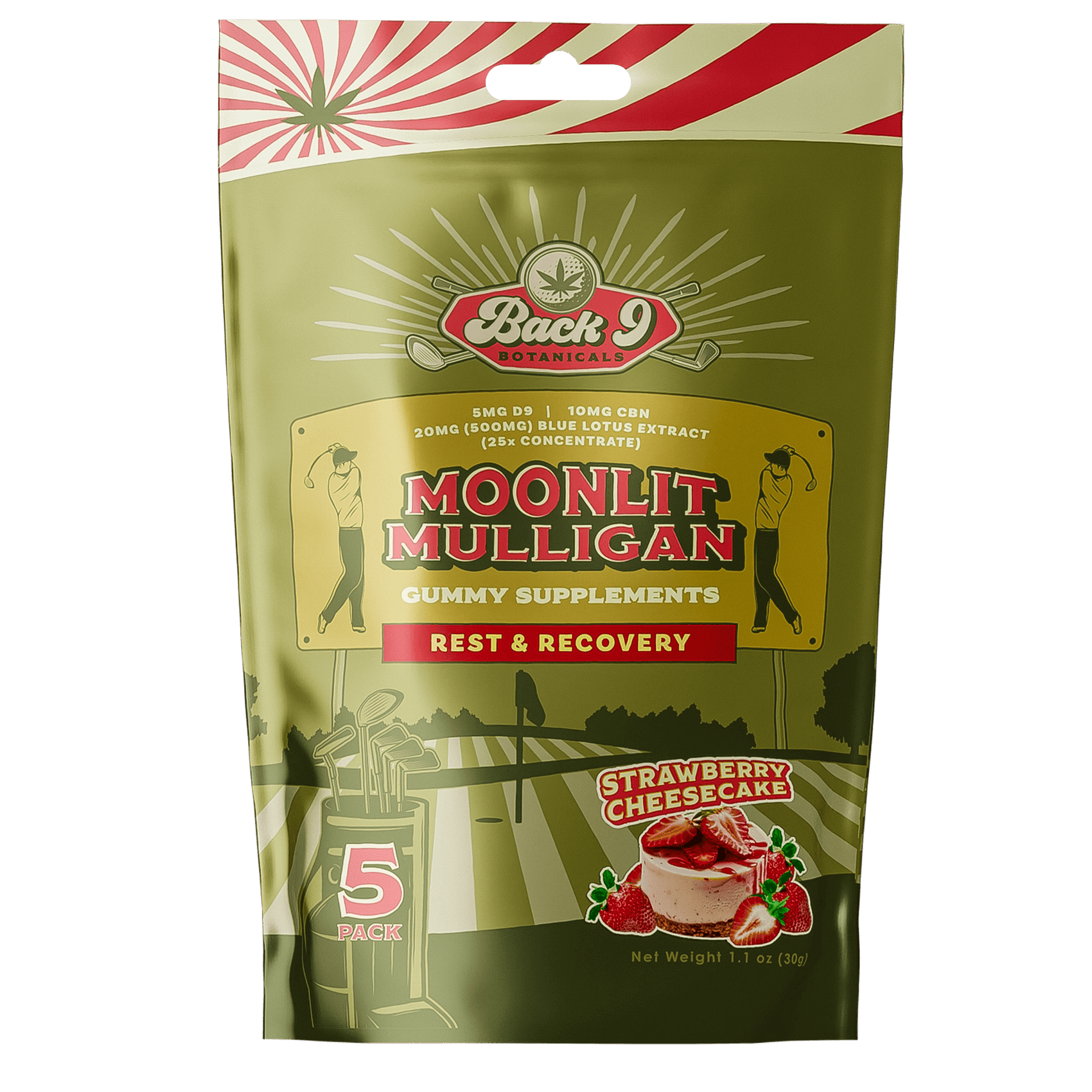
Back 9 Botanicals offers targeted recovery solutions combining CBD with complementary botanicals. The Performance Canna+ Gummies bundle includes Moonlit Mulligan for evening recovery, combining hemp-derived CBD with CBN and Blue Lotus Extract to support deep sleep. The CBD Topical Therapy Stick delivers broad-spectrum hemp oil with CBD directly to affected areas, allowing cannabinoids and arnica to work where you need them.

Magnesium, Electrolytes, and Micronutrient Recovery Protocols
Magnesium influences muscle relaxation, energy production, and sleep quality. Intense exercise depletes it through sweat and metabolic demand. Many athletes chase sodium and potassium while ignoring magnesium, creating imbalance.
Magnesium Dosing and Forms
Adult athletes typically need 400-420 mg daily (men) or 310-320 mg daily (women), with increased needs during heavy training.
The fix is straightforward: prioritize magnesium-rich foods first. Pumpkin seeds (156 mg per ounce), almonds (76 mg per ounce), spinach (78 mg per cooked cup), and dark chocolate (95 mg per ounce) all provide bioavailable magnesium.
Electrolyte Balance: Context-Dependent Protocol
Electrolyte needs depend entirely on exercise duration and intensity. This is where a one-size-fits-all approach fails.
Light to moderate activity (under 60 minutes): No electrolyte replacement needed. Your meals provide adequate sodium and potassium. Sweat losses are minimal.
Moderate to intense activity (60-90 minutes): Electrolyte replacement is optional. If you're thirsty, water is sufficient. If you're training in heat or humidity, adding sodium to post-exercise meals accelerates rehydration.
Intense or prolonged activity (over 90 minutes, or multiple sessions daily): Electrolyte support becomes valuable. Sodium (500-700 mg per hour of exercise) helps retain fluid and maintain plasma volume.
Individualized Protocol by Training Type
Endurance athletes (distance running, cycling, triathlon) benefit from consistent electrolyte and carbohydrate support during exercise lasting over 90 minutes. A sports drink with 6-8% carbohydrate and 300-500 mg sodium per liter supports performance and recovery.
Hypertrophy-focused athletes (strength training, bodybuilding) prioritize post-workout protein and carbohydrate. Electrolyte replacement is less critical unless training sessions exceed 90 minutes or occur in heat. Focus instead on magnesium for muscle relaxation and sleep.
Intermittent or casual athletes (weekend warriors, recreational golfers, fitness enthusiasts) rarely need electrolyte supplementation. Whole-food nutrition and magnesium support are sufficient.
Medication Interactions and Safety Considerations
This is a critical gap most articles ignore. If you take common medications, magnesium and electrolyte supplementation requires caution.
Diuretics (prescribed for blood pressure or heart conditions) increase magnesium and potassium losses. Athletes on diuretics should work with their healthcare provider to monitor electrolyte levels and may benefit from higher magnesium intake.
Bisphosphonates (prescribed for bone health) require magnesium and calcium to be taken at least 2 hours apart from the medication. If you're on a bisphosphonate and considering magnesium supplementation, timing matters.
ACE inhibitors and ARBs (blood pressure medications) can increase potassium retention. Athletes on these medications should avoid high-dose potassium supplementation without medical oversight.
Antibiotics (particularly fluoroquinolones) can be impaired by magnesium supplementation. If you're on antibiotics, separate magnesium intake by at least 2 hours.
NSAIDs (ibuprofen, naproxen), used by many athletes for pain management, can impair magnesium absorption and increase losses. Athletes relying on NSAIDs may need higher magnesium intake to compensate.
If you take any regular medication, consult your healthcare provider before adding magnesium or electrolyte supplements. This is not a limitation, it's responsible practice that prevents interactions and ensures your recovery protocol actually works.
Micronutrient Deficiency and Cellular Recovery
Micronutrient deficiency undermines recovery at the cellular level. Vitamin D supports immune function and inflammation regulation. B vitamins fuel energy metabolism. Zinc supports tissue repair. Iron carries oxygen to working muscles.
Organ meats (beef liver, chicken liver) are among the most nutrient-dense foods available, providing iron, B vitamins, zinc, and selenium. Shellfish (oysters, clams) deliver zinc and selenium.
Pro Tip
Build your recovery protocol around micronutrient density rather than supplement count. Test your baseline magnesium and vitamin D levels if you're training intensely or recovering poorly, deficiency is common and easily corrected through food or targeted supplementation.
Natural vs. Synthetic Supplementation: Bioavailability and Long-Term Outcomes
This is where the conversation gets specific. Bioavailability, how much of a compound your body actually absorbs and uses, determines whether a supplement matters at all.
Synthetic compounds often have lower bioavailability than their natural equivalents. A synthetic isolate of curcumin has poor bioavailability on its own. Whole turmeric with black pepper has superior bioavailability because the supporting compounds enhance absorption. Your body evolved to process foods, not lab-created isolates. When you work with that reality rather than against it, everything works better.
Long-term outcomes reveal the real difference. Athletes using natural alternatives report sustained improvements in recovery, sleep quality, and baseline inflammation.
Cost-benefit analysis favors natural alternatives for many athletes. Targeted botanical extracts from reputable sources (like Back 9 Botanicals) can deliver bioavailability. Over a year, results may improve.
The trade-off is convenience. Synthetic powders mix quickly. Natural protocols require slightly more intention, sourcing quality foods, preparing meals, establishing routines. For athletes serious about long-term performance, that trade-off is worth it.
| Factor | Synthetic Supplements | Natural Alternatives |
|---|---|---|
| Bioavailability | Variable, often poor without co-factors | High, especially with traditional pairings |
| Long-term effectiveness | Tends to plateau after weeks | Tends to improve over months |
| Cost per month | Higher for quality products | Lower for whole foods and extracts |
| Digestive load | Higher (isolated compounds) | Lower (recognized foods) |
| Systemic support | Single-pathway | Multi-pathway |
Frequently Asked Questions
What are the best natural alternatives to synthetic muscle recovery supplements?
Natural alternatives include whole-food protein sources (chicken, eggs, Greek yogurt), anti-inflammatory botanicals (turmeric, ginger, arnica), magnesium-rich foods (spinach, almonds, pumpkin seeds), and hemp-derived CBD products. These options support muscle protein synthesis, reduce delayed onset muscle soreness (DOMS), and promote tissue regeneration without synthetic additives. Many athletes find combining several approaches, like protein intake with botanical extracts and adequate electrolyte replenishment, yields better results than relying on a single synthetic supplement.
How does CBD support athletic recovery compared to synthetic options?
CBD interacts with the body's endocannabinoid system to reduce systemic inflammation, ease muscle tension, and support sleep quality, all critical for cellular repair and physiological adaptation. Unlike synthetic recovery aids, CBD addresses multiple recovery pathways simultaneously. The CBD Topical Therapy Stick delivers 1100mg of broad-spectrum hemp oil directly to sore muscles and joints, enhancing bioavailability through natural carriers like arnica and cayenne extract, which improve circulation and penetration.
Can botanical anti-inflammatories really replace synthetic recovery supplements?
Yes, for many athletes. Botanical compounds like curcumin (turmeric), gingerol (ginger), and arnica's active compounds reduce oxidative stress and inflammation without the side effects of synthetic options. However, effectiveness depends on dosage, bioavailability, and individual response. Combining botanicals with adequate protein intake, electrolyte balance, and sleep creates a complete recovery protocol. Some athletes use both approaches strategically, botanicals for daily inflammation management and targeted topical products like CBD salves for acute soreness.
What role does magnesium play in natural muscle recovery?
Magnesium is essential for muscle force recovery, reducing muscle tension, and supporting metabolic recovery after exercise. It regulates muscle contraction and relaxation, aids protein synthesis, and helps manage inflammation. Many athletes are magnesium-deficient, which impairs recovery kinetics. Whole-food sources include spinach, pumpkin seeds, and almonds. Supplementing with magnesium glycinate or citrate improves bioavailability better than synthetic oxide forms, supporting both immediate recovery and long-term tissue regeneration.
How do I know if a natural recovery product is actually effective?
Look for third-party lab testing, transparent ingredient lists, and products that specify cannabinoid or botanical extract concentrations. Back 9 Botanicals products include detailed lab reports accessible through their website. Check for clinical evidence on key ingredients, turmeric's curcumin, CBD's anti-inflammatory action, and arnica's bruising reduction are all well-documented. Start with lower doses to assess individual response, track recovery metrics (soreness, sleep quality, performance), and give products 2-4 weeks before evaluating efficacy.
The real question isn't whether natural alternatives work. It's whether you're willing to shift from convenience-based thinking to outcome-based thinking. Synthetic muscle recovery supplements promise speed. Natural alternatives deliver sustainability. For athletes playing the long game, whether that's golf, fitness, or active living, that's the only choice that makes sense.

