
 Cart (0 items)





Learn whether hemp-derived CBD effectively relieves joint pain. Explore clinical evidence, dosage, delivery methods, and how it compares to ibuprofen.
Hemp-Derived CBD for Joint Pain: Does It Work?

Table of Contents
- What Is Hemp-Derived CBD and How Does It Work?
- Scientific Evidence: What Research Shows About CBD for Joint Pain
- Best CBD for Muscle Soreness and Joint Recovery
- How Long Does CBD Take to Work for Inflammation?
- CBD vs. Ibuprofen for Joint Pain: A Direct Comparison
- Choosing High-Quality Hemp-Derived CBD Products
- Potential Side Effects and Drug Interactions
- The Bottom Line: Is Hemp-Derived CBD Right for Your Joint Pain?
- Frequently Asked Questions
Last Updated: October 2, 2026
What Is Hemp-Derived CBD and How Does It Work?
Hemp-derived CBD joint pain management has become a popular option for addressing joint pain and inflammation. Unlike THC, CBD is non-psychoactive, so it won't impair mental clarity, a key advantage for athletes, weekend warriors, and anyone seeking recovery support without psychoactive effects.
Hemp-derived CBD works by interacting with your body's endocannabinoid system, a network that regulates pain, inflammation, and immune response. CBD influences cannabinoid receptors throughout your body, potentially reducing inflammation and easing joint and muscle discomfort.
Understanding the Endocannabinoid System
Your endocannabinoid system is a network of receptors that regulates pain, mood, sleep, and immune function. CB1 receptors are found primarily in the nervous system, while CB2 receptors are more abundant in immune cells and peripheral tissues.
CBD modulates receptor activity indirectly rather than binding directly like THC does. This mechanism may explain why users report pain relief and reduced inflammation without psychoactive effects.
Non-Psychoactive vs. Full-Spectrum Formulas
CBD products come in three types: isolate (CBD only), broad-spectrum (multiple cannabinoids with THC removed), and full-spectrum (all hemp cannabinoids, up to 0.3% THC).
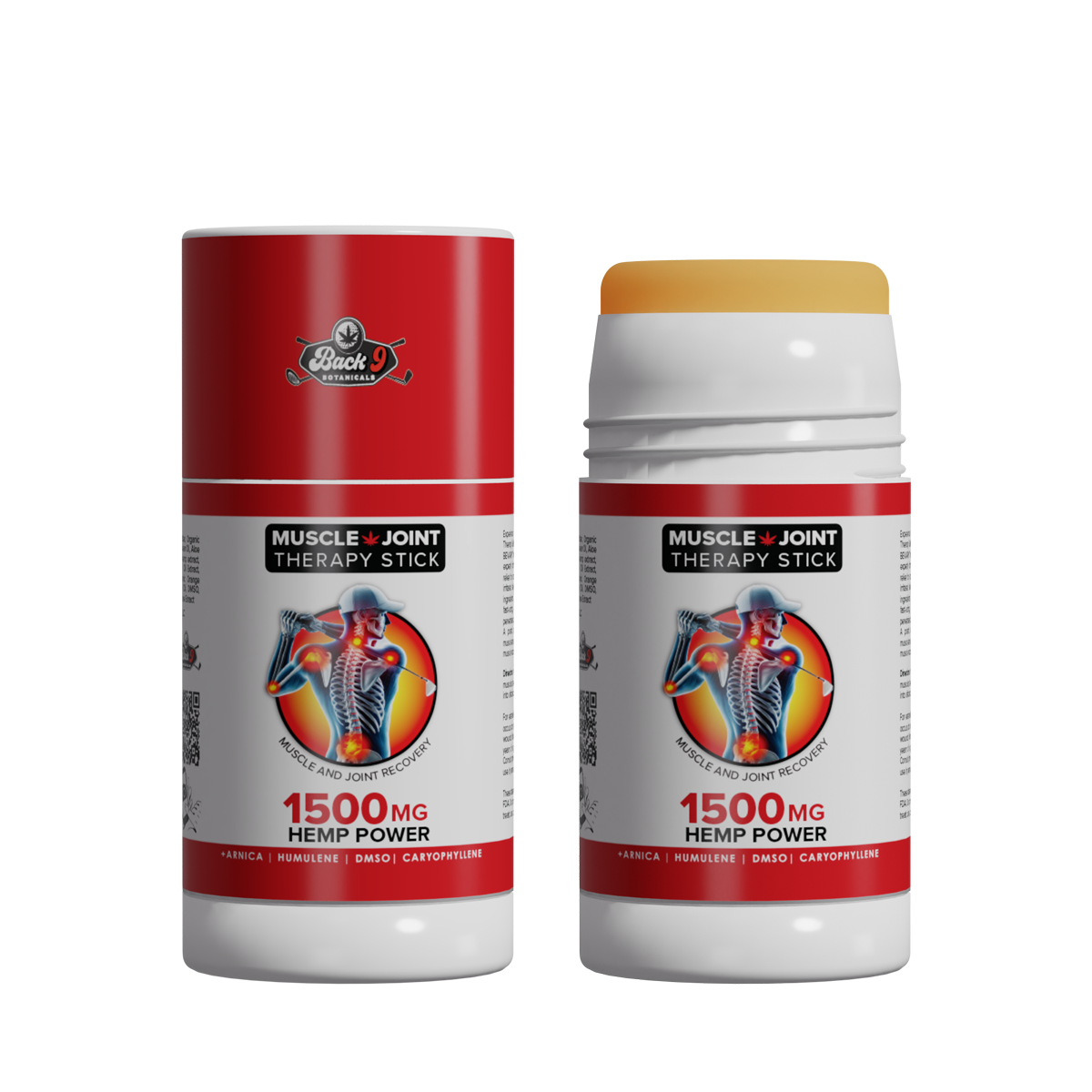
Many users report that broad-spectrum and full-spectrum formulas work more effectively than isolate alone, the "entourage effect." The Back 9 Botanicals CBD Topical Therapy Stick uses broad-spectrum hemp oil with 1100+ mg CBD, plus CBDV and CBG, without THC.

Pro Tip
If you're new to CBD, start with a broad-spectrum product. You get multiple cannabinoids working together without worrying about THC content.
Scientific Evidence: What Research Shows About CBD for Joint Pain
Research on CBD and joint pain is evolving. Preclinical studies and animal models show promise, but human clinical trials remain limited.
Laboratory research demonstrates that CBD has anti-inflammatory properties. Studies show it may reduce inflammatory markers in cell cultures and animal models. However, translating these findings to human joint pain requires larger, controlled clinical trials. According to the National Institutes of Health research on cannabinoids, CBD shows potential for pain management, though more human studies are needed to establish optimal dosing and long-term safety.
Key Takeaway
The scientific evidence supports CBD's anti-inflammatory potential, but human clinical trials remain limited. Most current evidence comes from preclinical research and user reports rather than large-scale controlled studies.
Best CBD for Muscle Soreness and Joint Recovery
When choosing a CBD product for recovery, format matters as much as potency. Topical and oral products work differently and suit different needs.
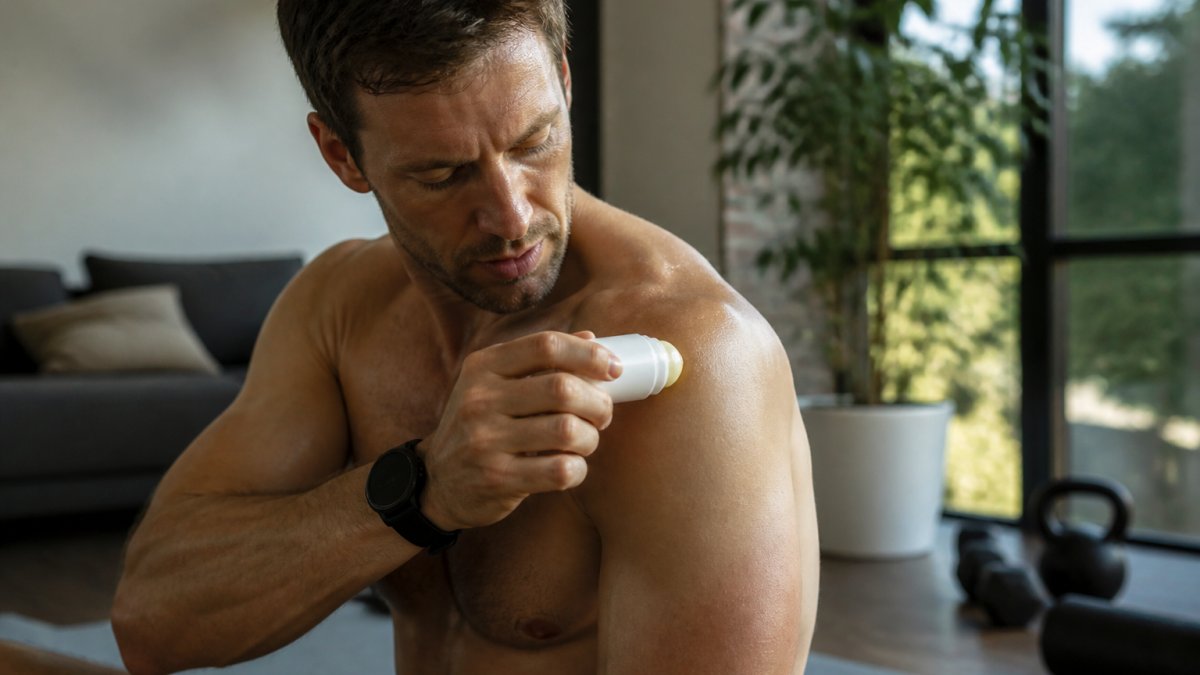
The Back 9 Botanicals CBD Topical Therapy Stick delivers 1500 mg broad-spectrum hemp oil with 1100+ mg CBD, plus arnica, clove oil, and cayenne extract.
Oral gummies provide precise dosing and systemic effects. The Birdie Boost gummies contain 25 mg BEVARIN Oil (BSHO) per gummy, including CBD, CBDV, THCV, CBG, and CBN, plus magnesium bis-glycinate and Vitamin B12 for energy and muscle function.

Topical vs. Oral Delivery for Joint Relief
Topical CBD penetrates skin layers to reach local cannabinoid receptors, bypassing digestion and delivering effects directly to sore joints or muscles.
Oral CBD distributes systemwide through digestion, supporting overall inflammation management across multiple joints.
Understanding Bioavailability and Absorption
Bioavailability is how much CBD reaches your bloodstream. Topical products have high localized bioavailability; oral products have lower overall bioavailability due to digestion and liver metabolism.
Full-spectrum and broad-spectrum products may have higher bioavailability than isolates. The Back 9 Botanicals Topical Therapy Stick includes DMSO to enhance penetration. For oral products, taking CBD with fat-containing foods improves absorption.
Individual factors like metabolism, body weight, and genetics influence CBD absorption, explaining why dosing varies between people.
How Long Does CBD Take to Work for Inflammation?
Topical CBD shows effects; oral products take time, with peak effects at 1-2 hours.
Regular daily CBD use produces better inflammation results than occasional use.
Watch Out
Don't expect instant dramatic relief like you might get from ibuprofen. CBD's anti-inflammatory effects build gradually.
Tracking your dosage and effects helps identify your personal timeline.
CBD vs. Ibuprofen for Joint Pain: A Direct Comparison
CBD and ibuprofen address joint pain through different mechanisms, each with distinct advantages.
Anti-Inflammatory Mechanisms
Ibuprofen is an NSAID that blocks COX enzymes, reducing inflammation with well-documented, consistent effects.
CBD modulates the endocannabinoid system and influences immune cells, taking longer to work but potentially causing fewer side effects with regular use.
| Aspect | Ibuprofen | Hemp-Derived CBD |
|---|---|---|
| Onset Time | 30-60 minutes | 15-30 min (topical), 30-120 min (oral) |
| Peak Effect | 1-2 hours | 1-2 hours (varies) |
| Duration | 4-6 hours | 2-8 hours |
| Mechanism | Blocks COX enzymes | Modulates endocannabinoid system |
| Long-term Use | Risk of GI issues, kidney strain | Generally well-tolerated |
Safety Profile and Long-Term Use
Regular ibuprofen use increases risks of gastrointestinal bleeding, ulcers, and kidney problems, concerns for athletes relying on it for chronic pain.
CBD has a favorable long-term safety profile with minimal side effects (mild fatigue, dry mouth, or digestive changes). However, CBD can interact with medications by affecting liver metabolism, so consult your healthcare provider if you take prescriptions.
Choosing High-Quality Hemp-Derived CBD Products
Quality varies dramatically across the CBD market. Several factors distinguish premium products from mediocre ones.
Look for products that clearly state CBD content and source. The Back 9 Botanicals CBD Topical Therapy Stick specifies 1500 mg total with 1100+ mg CBD. Reputable brands disclose their full cannabinoid profile.
Reading Third-Party Lab Reports and Certificates of Analysis
Third-party lab testing is non-negotiable for quality assurance. A Certificate of Analysis (COA) from an independent laboratory verifies the product's cannabinoid content, confirms the absence of harmful contaminants, and validates the brand's claims.
When reviewing a COA, verify that cannabinoid content matches the label, THC is below 0.3%, and the product is free from pesticides, heavy metals, and microbial contaminants.
Pro Tip
Always request the COA before purchasing. Legitimate brands provide it readily, often on their website or upon request. If a company won't share lab results, that's a red flag. Back 9 Botanicals provides lab test access through their "View Lab Tests" feature, allowing you to verify product quality directly.
Dosage Considerations for Joint Pain Relief
Finding your optimal CBD dose requires some experimentation since individual responses vary. A common starting point is 10-20 mg daily for topical products and 5-10 mg for oral products.
For topical products like the CBD Topical Therapy Stick, apply to affected areas 1-2 times daily or as needed.
For oral products, consistency matters more than high doses. Taking 10-15 mg daily often produces better results than taking 50 mg sporadically.
Weight, metabolism, and the severity of your inflammation all influence ideal dosing. Start low, increase gradually, and track your results to find your personal sweet spot.
Potential Side Effects and Drug Interactions
Hemp-derived CBD is generally well-tolerated, but side effects do occur in some users. Common mild effects include fatigue, dry mouth, diarrhea, or appetite changes.
More importantly, CBD can interact with medications. It inhibits CYP3A4 and CYP2C19 enzymes in your liver, which metabolize many prescription drugs. If you take blood thinners, heart medications, anti-seizure drugs, or other medications processed by these enzymes, CBD may increase their concentration in your bloodstream.
According to FDA guidance on CBD drug interactions, discussing CBD use with your healthcare provider is essential if you take any prescription medications. Your doctor can assess whether CBD is safe for your specific situation and adjust medication doses if needed.
The Bottom Line: Is Hemp-Derived CBD Right for Your Joint Pain?
Hemp-derived CBD shows genuine anti-inflammatory potential based on preclinical research and widespread user reports.
The evidence supports trying hemp-derived CBD joint pain relief if you're seeking natural inflammation support. Start with a topical product for localized relief or an oral formula for systemic effects.
Give CBD 1-2 weeks of consistent use before assessing effectiveness. Track your dosage, timing, and how you feel to identify patterns.
The key is choosing high-quality products from transparent brands that provide third-party lab verification.
Joint pain doesn't have to limit your activity or force you toward daily ibuprofen reliance. Back 9 Botanicals' hemp-derived CBD products, from the targeted CBD TOPICAL THERAPY STICK to the comprehensive PERFORMANCE CANNA+ GUMMIES, provide clean, science-backed support for inflammation and recovery. Start with the CBD TOPICAL THERAPY STICK for joint relief, or explore the full-spectrum gummy options for daily wellness support. View Back 9 Botanicals' lab test results to verify potency and purity, then find your optimal dose. Your joints, and your recovery routine, will thank you.
Frequently Asked Questions
How long does it take for hemp-derived CBD to relieve joint pain?
Timeline depends on delivery method. Topical CBD products typically provide localized relief, as they penetrate directly to affected joints. Oral CBD (gummies, oils) takes 1-2 hours to reach peak effect because it must be digested and absorbed. Individual factors like metabolism, dosage, and product quality affect response time.
Is hemp-derived CBD better than ibuprofen for joint pain?
Both address inflammation differently. Ibuprofen works by blocking prostaglandin production, making it effective for acute flare-ups. CBD acts on cannabinoid receptors and the endocannabinoid system, potentially offering sustained anti-inflammatory effects with fewer gastrointestinal side effects. CBD doesn't carry the same risk of ulcers or liver damage with long-term use. Many athletes use CBD for chronic joint discomfort and recovery, while ibuprofen remains standard for acute pain. Some combine both under medical guidance.
What should I look for in a high-quality hemp-derived CBD product for joints?
Prioritize third-party lab testing and a certificate of analysis (COA) that verifies CBD potency, cannabinoid profile, and absence of contaminants. Look for full-spectrum or broad-spectrum formulas, which provide additional cannabinoids like CBDV and CBG that support joint health. Verify the product is hemp-derived (not cannabis) and complies with the 2018 Farm Bill (under 0.3% Delta-9 THC).
Can athletes use hemp-derived CBD without failing drug tests?
Hemp-derived CBD itself is not a banned substance by most athletic organizations. However, full-spectrum products may contain trace amounts of THC (up to 0.3% federally), which could theoretically accumulate with heavy use. Broad-spectrum and isolate products remove most THC. Athletes in regulated sports should verify their organization's specific CBD policy and consider requesting a certificate of analysis to confirm THC levels. When in doubt, consult your coach or sports medicine professional before use.

