
 Cart (0 items)





Returning to sport takes more than rest. Learn a 7-step recovery plan with a return to play protocol, soreness management, and injury timeline guidance.
7 Recovery Steps After Returning to Sport

Last Updated: November 21, 2026
Quick Summary
Recovering after returning to sport means following a staged progression plan and letting objective checkpoints, not the calendar, decide when you move up. Progress only when you pass two sessions in a row without pain, swelling stays flat the next morning, and functional tests are symmetrical within about 90%.
- Move up a stage only when you pass the current one, and drop back a stage if symptoms return.
- Strength should be within about 90% of the uninjured side before you return.
- Log session duration, intensity, pain, swelling, sleep hours, and next-morning response.
- Many reinjuries happen in the first few competitive exposures, not during rehab.
- Get reassessed if you notice sharp pain, returning swelling, or a joint that gives way.
Ready to recover smarter after your comeback?Back 9 Botanicals makes clean hemp and botanical formulas for athlete recovery and rest.
Shop Recovery Products
Table of Contents
- Why Recovery After Returning to Sport Matters More Than You Think
- How to Know You Are Ready to Return to Sport
-
Your Return to Play Protocol: A Staged Progression Plan
- Stage 1: Restore Range of Motion and Pain-Free Daily Movement
- Stage 2: Rebuild Strength and Neuromuscular Control
- Stage 3: Introduce Low-Impact and Non-Contact Activity
- Stage 4: Sport-Specific Drills and Functional Testing
- Stage 5: Full Practice, Then Competition
- Progression and Regression Rules
- Track Load and Next-Day Response
- Understanding Your Sports Injury Recovery Timeline
- Active Recovery for Athletes: What to Do on Off Days
- Managing Soreness After Exercise Without Slowing Progress
- Red Flags: When to Stop and Seek Reassessment
- Building Your Daily Recovery Routine With Back 9 Botanicals
- Frequently Asked Questions
Why Recovery After Returning to Sport Matters More Than You Think
Getting back to your sport is the goal. Staying back is the part most people skip. Learning how to recover after returning to sport matters because the weeks after clearance are when reinjury risk runs highest, according to guidance from the American Academy of Orthopaedic Surgeons on return to play.
That gap is where comebacks stall. Athletes and weekend golfers often push too hard in week one and lose another month. The fix is boring: a plan, tracked load, and honest rest.
Below, we break down the 7 steps that get you back and keep you there.
How to Know You Are Ready to Return to Sport
Readiness is not a feeling. It is a set of checkpoints your body passes before you push it.
Return to sport means resuming your activity at a level your tissue can handle today, not the level you left at. Most people confuse the two.
Work through this checklist with your physical therapist or physician:
- Full range of motion, equal to your uninjured side
- No swelling after a normal day of activity
- Strength within about 90% of the other side, tested by a pro
- You can jog, hop, or cut without pain or hesitation
- You trust the joint when you move on instinct
If you cannot tick most of these, you are not ready. That is information, not failure. Medical clearance from a healthcare professional is the starting line, not the finish.
Your Return to Play Protocol: A Staged Progression Plan
A return to play protocol is a staged plan that moves you from easy movement to full participation in steps, with clear rules for moving up or backing down. Think of it as a ladder, not a switch.
Stage 1: Restore Range of Motion and Pain-Free Daily Movement
Before sport-specific work, you need full, symmetrical range of motion and no swelling after a normal day. Progress when range of motion matches the uninjured side and daily activities produce no next-day swelling.
Stage 2: Rebuild Strength and Neuromuscular Control
This stage is where most comebacks stall. Work with a physical therapist on strength symmetry, plus single-leg balance, controlled squats, and step-downs. Add balance and proprioception work daily. Progress when strength tests are symmetrical and you can complete two consecutive sessions without pain or guarding.
Stage 3: Introduce Low-Impact and Non-Contact Activity
Start with straight-line jogging, stationary cycling, or pool walking, then add sport-specific movement patterns at low intensity. For a golfer, that means half-swings and putting before full swings. For a runner, easy jogging before tempo work. Progress when low-impact sessions leave no next-day swelling or stiffness.
Stage 4: Sport-Specific Drills and Functional Testing
This is where objective criteria matter more than the calendar. Common functional tests include single-leg hop for distance and for height, a triple hop, a crossover hop, and a timed agility or cut test, compared side to side. Clinicians typically compare limb symmetry on these tests before clearing sport-specific drills. Add sport-specific movement tests: a golf swing at full speed, a tennis serve, a soccer cut, or a basketball defensive slide. Progress when you pass the tests and complete two full drill sessions without symptoms.
Stage 5: Full Practice, Then Competition
Move to full-contact or full-speed practice only after passing functional tests and tolerating sport-specific drills. Then reintroduce competition gradually, limited minutes or reps first, then full participation. This transition from practice to competition is the most overlooked step; many reinjuries happen in the first few competitive exposures, not in rehab.
Progression and Regression Rules
Move up a stage only when you pass the current one. Drop back a stage if symptoms return.
Progress when:
- You finish two sessions in a row with no pain
- Swelling stays flat the next morning
- Functional tests are symmetrical within about 90%
- Your confidence holds during sport-specific drills
Regress when:
- Pain climbs above a mild ache during activity
- Swelling or stiffness shows up the next day
- You start guarding the joint without thinking
- A functional test result drops or becomes painful
The rule is simple: symptoms and test results decide, not your calendar. Watch out: pushing to the next stage because a date on the calendar arrived is the most common way athletes lose another month.
Track Load and Next-Day Response
Keep a simple log: session duration, intensity (easy, moderate, hard), pain during and after, swelling, sleep hours, and how you feel the next morning. There is no universal safe percentage increase that fits everyone; instead, watch for a pattern of rising soreness, poor sleep, or declining test scores, and back off before symptoms escalate. A paper notebook or a phone note works fine, the habit matters more than the tool.
Understanding Your Sports Injury Recovery Timeline
Every injury has its own clock. A sports injury recovery timeline is the expected window for healing and rebuilding, and it varies by tissue, age, surgery, sport, and position. A muscle strain and a ligament repair do not recover on the same schedule. Neither do a 25-year-old and a 55-year-old weekend warrior. Nor do a pitcher and a first baseman with the same shoulder issue.
Use these rough phases as a map, not a promise:
| Phase | Focus | Typical Window |
|---|---|---|
| Protect | Calm pain and swelling | First days to weeks |
| Rebuild | Restore motion and strength | Weeks to months |
| Return | Sport-specific drills, then full play | Weeks after clearance |
Why Timelines Differ by Injury Type
Soft-tissue injuries such as hamstring strains and ankle sprains often follow a shorter rebuild phase than ligament repairs or fractures. Surgical repairs generally add weeks to months before strengthening can begin in earnest. A common pattern is that non-surgical injuries progress faster early but still need the same strength and functional testing before return. Your therapist adjusts the timeline based on how you respond, not on a textbook average.
Why Sport and Position Matter
A sport that demands cutting, jumping, and contact, basketball, soccer, football, requires higher functional test scores and more sport-specific practice before competition than a sport with predictable, low-impact movement. Within a sport, position changes the demand: a goalkeeper's lateral push-off and a lineman's repeated explosive starts stress different tissues. A golfer's rotational load differs from a swimmer's overhead load. The same injury can mean different return timelines for different athletes.
Surgery Versus Non-Surgical Recovery
If you had surgery, the protect phase is longer and the rebuild phase starts later. Follow your surgeon's and physical therapist's milestones rather than comparing yourself to a non-surgical friend with a similar diagnosis. If you did not have surgery, you may move through phases faster, but do not skip functional testing, the tissue still needs to prove it can handle load.
How to Use the Timeline Without Being Ruled by It
Compare yourself to last week, not to a teammate or a forum post. Use the timeline to set expectations and to plan your staged progression, but let objective checkpoints, range of motion, strength symmetry, functional tests, and next-day symptoms, decide when you actually move up. Watch out: treating a published timeline as a deadline and pushing to meet it is a common cause of reinjury.
Post-Return Follow-Up
The timeline does not end at clearance. Continue monitoring for the first several weeks of full practice and competition, and keep your check-ins with your physical therapist or physician. A follow-up assessment after the first few competitive exposures can help catch early signs of overload.
Active Recovery for Athletes: What to Do on Off Days
Rest does not mean sitting still. Active recovery for athletes means low-impact movement that boosts blood flow without adding strain. On off days, try:
- A easy walk or light stationary bike spin
- Gentle stretching and mobility work
- Foam rolling around sore spots, not on them
- A swim or pool walk if your joint tolerates it
If you want to pair rolling with topical support, our guide on how to combine CBD with foam rolling for recovery walks through the timing.
Keep these sessions easy. If an off day leaves you more tired, you did too much.
Managing Soreness After Exercise Without Slowing Progress
Soreness after a comeback is normal. Soreness that lingers or sharpens is a signal.
Managing soreness after exercise comes down to load control and simple habits. Scale back training volume when soreness spikes, and give the area a day before you hit it again.
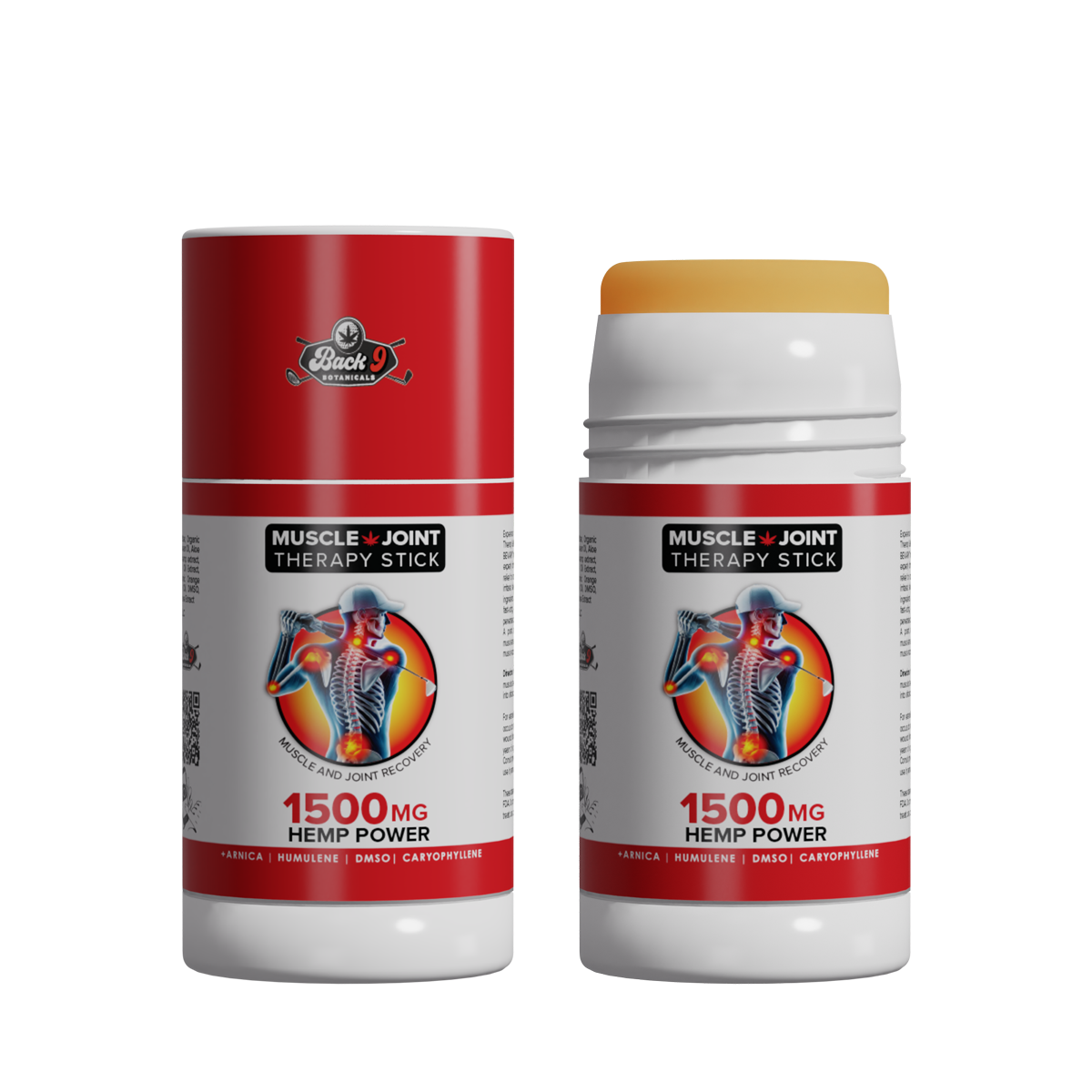
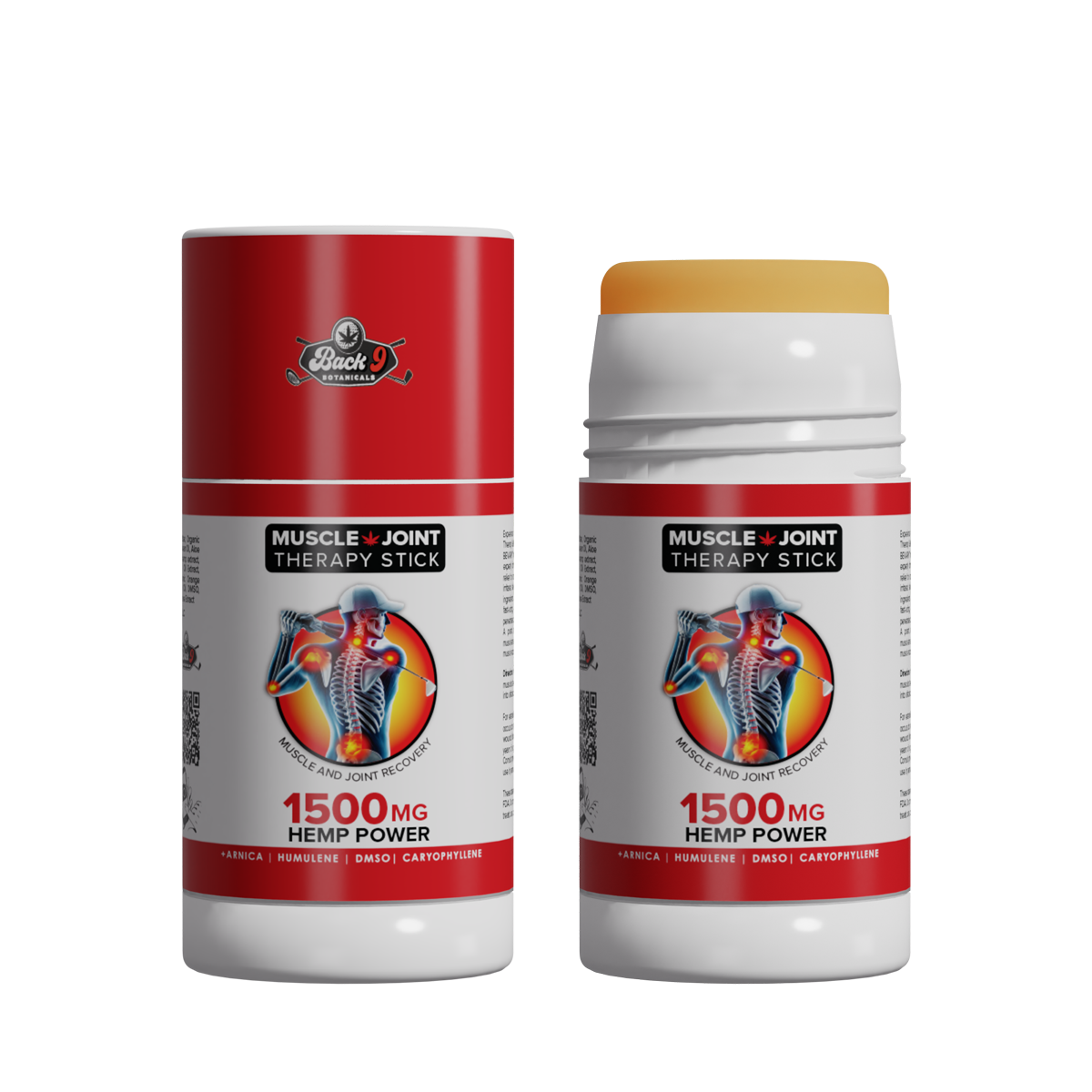
For targeted relief, our CBD Topical Therapy Stick is built for direct application to sore muscles and joints. For a broader list of options, see 5 natural remedies for post-workout soreness.
Watch out: masking pain with a topical and then training hard can hide the warning sign your body is sending.
Red Flags: When to Stop and Seek Reassessment
Some symptoms mean stop now, not push through. Get reassessed by a healthcare professional if you notice:
- Sharp or worsening pain during activity
- Swelling that returns or keeps growing
- A joint that gives way or locks
- Numbness, tingling, or weakness
- Pain that wakes you at night
These are not normal comeback soreness. If lingering inflammation is your concern, 7 natural anti-inflammatory supplements for athletes covers what to discuss with your care team.
Building Your Daily Recovery Routine With Back 9 Botanicals
Recovery works best as a daily habit, not a scramble after a bad round.
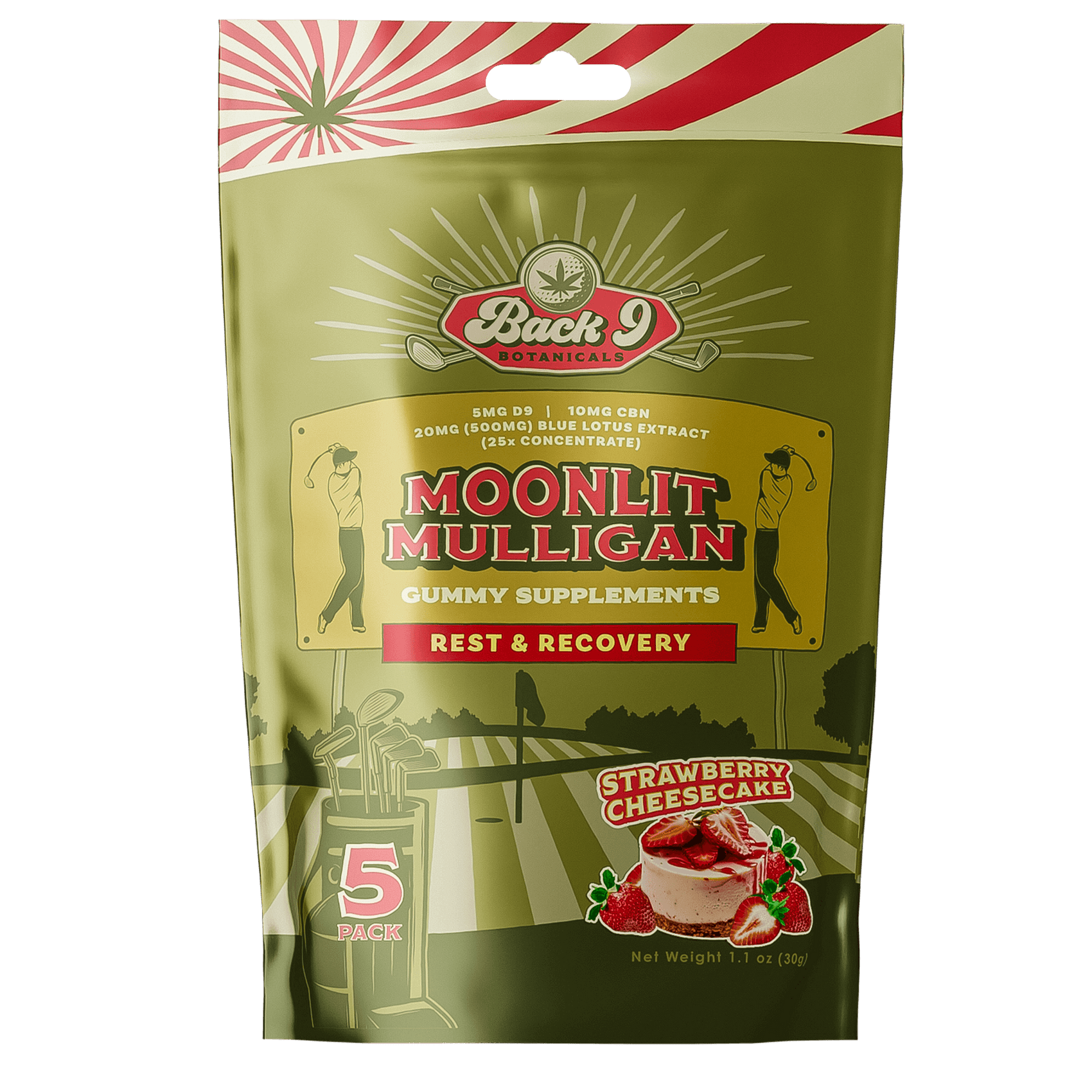
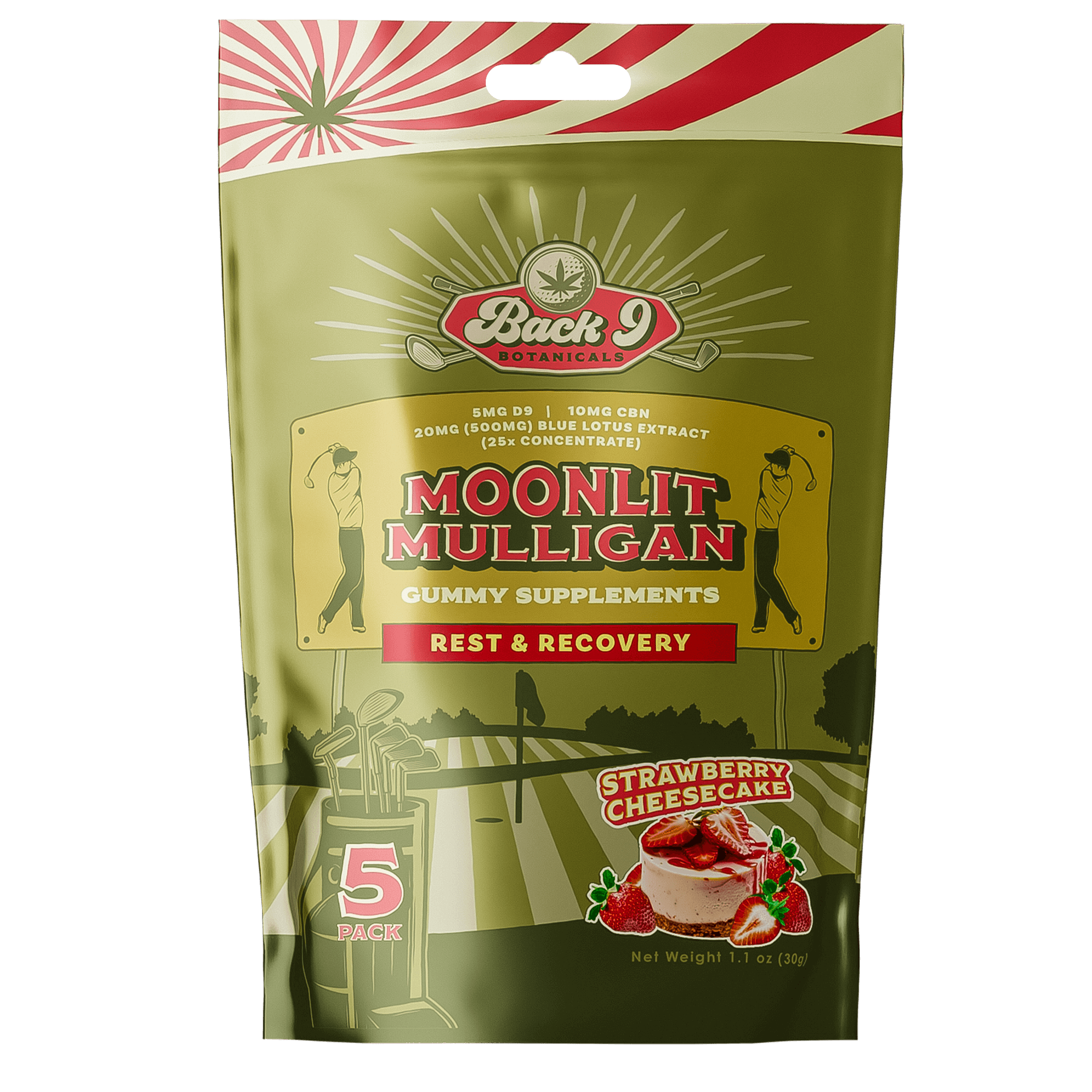
Our Moonlit Mulligan Rest & Recovery Gummies blend hemp-derived Delta 9 THC, CBN, and Blue Lotus for nighttime wind-down. Each pack holds 5 gummies.
Pair a nightly routine with honest load tracking, and your return sticks.
Coming back from an injury takes patience, and the right support makes it easier. Back 9 Botanicals builds clean, functional formulas for athletes and golfers, with hemp-derived cannabinoids and natural botanicals designed for recovery and daily balance.
Frequently Asked Questions
How do I know if I am ready to return to sport after an injury?
Readiness is not just about pain being gone. Look for full range of motion, strength close to your uninjured side, and the ability to complete sport-specific drills without swelling or compensation. A healthcare professional or physical therapist can run functional tests to confirm. If you still have fear of reinjury or cannot jog, cut, or swing without hesitation, you are not ready for full participation yet.
How quickly should I increase training after returning to sport?
Increase gradually, not all at once. A common approach is to add no more than one new element per week, such as extra minutes, higher intensity, or contact drills. Monitor training volume and symptoms for 24 hours after each session. If soreness lingers beyond normal muscle fatigue or swelling returns, hold at the current stage before progressing. Rapid jumps in training intensity are a leading cause of reinjury.
What should I do if pain returns after I start playing again?
Stop the activity and assess. Mild soreness that fades within a day is usually fine, but sharp pain, swelling, or pain that worsens during play is a red flag. Return to the previous stage of your return to play protocol, apply the RICE method for the first 24 to 48 hours, and contact your physical therapist or doctor if symptoms persist beyond a few days. Do not push through pain to stay on schedule.
Can I stay active while recovering from a sports injury?
Yes, in most cases. Active recovery for athletes often includes low-impact exercise like swimming, cycling, or walking, plus cross-training that avoids the injured area. This supports circulation, muscle strength, and mental readiness without stressing healing tissue. Clear any activity with your healthcare professional first, and keep training volume low enough that symptoms do not flare. Rest days and sleep remain part of the plan.


