
 Cart (0 items)





Discover why athletes are choosing natural recovery methods over synthetic alternatives.
Why Athletes Are Switching to Natural Recovery Methods

Table of Contents
- Why Athletes Are Switching to Natural Recovery Methods
- Best Recovery Methods for Athletes: What the Science Shows
- Sleep and Athletic Recovery: The Foundation of Performance
- Active Recovery for Athletes: Low-Intensity Movement Strategies
- Post-Workout Recovery Nutrition and Hydration
- Natural Recovery Tools: Topical Relief and Sleep Support
- Measuring Recovery and Building Your Personal Plan
- Frequently Asked Questions
Last Updated: October 12, 2026
Why Athletes Are Switching to Natural Recovery Methods
Athletes across all disciplines, from weekend golfers to competitive runners, are increasingly turning to natural recovery methods instead of relying solely on pharmaceuticals or high-tech devices. At Back 9 Botanicals, we've watched more active individuals seek sustainable approaches that align with their wellness values.
Natural recovery methods address the root causes of fatigue and soreness while supporting the body's own healing capacity. Sleep quality, deliberate movement, proper nutrition, and targeted botanical support often outperform expensive gadgets or medications that carry unwanted side effects.
The Real Drivers Behind the Shift
1. Cost and access. Recovery devices and supplement subscriptions add up fast, while sleep, walking, stretching, and hydration cost nothing. The highest-impact recovery inputs are also the cheapest.
2. Side-effect concerns. Over-the-counter pain relievers work, but regular use raises questions about stomach irritation, kidney strain, and masking injuries.
**3.
4. Sustainability and routine fit. Recovery only works if you actually do it.
5. Control and self-efficacy. Steering your own recovery rather than depending on a product or clinic visit improves adherence and outcomes.
What "Natural" Actually Means, and What It Doesn't
In practice, natural recovery methods usually fall into a few buckets:
- Behavioral: sleep, rest days, stress management, consistent schedules
- Movement-based: active recovery, mobility work, stretching, soft-tissue techniques
- Nutritional: protein and carbohydrate timing, hydration, whole foods
- Temperature and pressure: cold-water immersion, heat, compression
- Botanical and topical: hemp-derived products, arnica, menthol, and similar ingredients
The honest caveat: "natural" does not automatically mean "safe" or "effective." Some approaches have strong evidence (sleep, nutrition timing, progressive loading); others have mixed or limited research; and some carry real risks, cold-water immersion too soon after strength training can blunt muscle growth, and certain botanicals interact with medications.
The switch isn't about natural versus scientific. It's about choosing methods that are low-risk, low-cost, and easy to sustain, while staying honest about the evidence.
Where Natural Methods Fit Alongside Devices, Supplements, and Medical Care
- Devices (compression boots, percussion guns, red-light panels) can help with perceived soreness, but the performance evidence is modest. They're not useless, just not the foundation.
- Supplements range from well-supported (protein, creatine, caffeine) to poorly supported. They can complement a routine but rarely replace sleep and nutrition.
- Medical care is essential when something is actually wrong. Persistent pain, swelling, loss of range of motion, or pain that worsens with rest are signals to see a professional, not to add another recovery tool.
Build the foundation with natural, low-cost methods, use devices or supplements selectively, and treat medical care as a separate lane.
Key Takeaway
The shift toward natural recovery isn't anti-science. It's athletes prioritizing the methods with the best evidence-to-cost ratio, then adding tools selectively rather than building a routine around them.
How to Tell Whether a Method Is Actually Working
- Pick one or two metrics, sleep quality, morning soreness, perceived energy, or performance in your next session.
- Track them for 2-4 weeks before changing anything else.
- Look for a consistent trend, not a single good day.
- Drop what doesn't move the needle and double down on what does.
Without measurement, you can't tell whether you're benefiting from a method or just the placebo effect of doing something new. Both feel good, only one is worth your time and money long-term.
Best Recovery Methods for Athletes: What the Science Shows
Recovery is when your body repairs muscle tissue, replenishes energy stores, and adapts to training stress. Without it, fatigue accumulates, injury risk rises, and performance plateaus. The best methods address sleep, nutrition, movement, and stress management at once.
But evidence quality varies widely. Here's what's well-supported, what's promising, and what's mostly hype.
A Quick Evidence Hierarchy
Recovery methods fall into three tiers:
- Strong evidence: sleep, adequate protein and carbohydrate intake, hydration, progressive training load management, and rest days. These are the foundation, and skipping them undermines everything else.
- Moderate or mixed evidence: active recovery, mobility work, massage, compression, cold-water immersion (with caveats), and heat. These can help, especially for perceived soreness and short-term comfort, but effects on performance are often modest.
- Limited or uncertain evidence: many recovery gadgets, most "recovery" supplements beyond protein and creatine, and various trendy modalities. Not necessarily harmful, just not proven to do what marketing claims.
A useful rule: the more a method promises, the more skeptical you should be.
Managing Fatigue and Restoring Energy
Fatigue stems from depleted energy stores, accumulated metabolic byproducts, and nervous system stress. Passive rest alone leaves the body compromised longer than necessary.
Effective fatigue management involves low-intensity movement, hydration, and nutrient timing.
Sleep remains the most underrated fatigue fighter. During sleep, your body releases growth hormone, consolidates training adaptations, and clears metabolic waste.
Where natural methods compare: sleep and nutrition timing beat every device on the market for fatigue management. A percussion gun might feel good for ten minutes; a consistent sleep schedule changes how you feel all week.
Reducing Injury Risk Through Smart Recovery
Overtraining without adequate recovery is one of the fastest routes to injury. When fatigue accumulates and tissues don't repair fully, movement patterns break down and minor tweaks become serious problems.
Smart recovery lets tissues adapt to training stress and maintains movement quality.
Nutrition plays a direct role too: adequate protein supports tissue repair, while anti-inflammatory foods manage post-training inflammation. Leafy greens, fatty fish, and berries provide the compounds your body needs.
Watch Out
Recovery methods are not a substitute for medical care. Persistent pain, swelling, loss of range of motion, or pain that worsens with rest are signals to see a healthcare professional, not to add another recovery tool. Natural approaches support recovery; they don't diagnose or treat injuries.
Safety Caveats Worth Knowing
Even well-supported methods carry caveats:
- Cold-water immersion too soon after strength training may blunt muscle growth. Many practitioners recommend separating it from hypertrophy-focused sessions.
- Aggressive stretching before explosive activity can temporarily reduce power output. Save static stretching for after training or separate sessions.
- Botanical and hemp-derived products can interact with medications and may not be appropriate for everyone. Check with a healthcare provider if you take prescription drugs or are pregnant or nursing.
- More is not better. Adding recovery methods without addressing sleep, nutrition, or training load is like polishing a car with a bad engine.
What This Means for Your Routine
Start with the strong-evidence tier: sleep, nutrition, hydration, and load management. Add moderate-evidence methods (active recovery, mobility, massage, temperature therapy) where they fit your schedule. Treat devices and supplements as optional add-ons, not foundations, and keep medical care in its own lane.
The athletes who recover best aren't the ones with the most gadgets. They're the ones who consistently nail the fundamentals and add tools selectively where they genuinely help.
Sleep and Athletic Recovery: The Foundation of Performance
Sleep is where the real recovery happens: your body repairs muscle tissue, consolidates training adaptations, and regulates hormones controlling hunger, stress, and immune function. Athletes who prioritize sleep see faster strength gains, better endurance, and fewer injuries than peers who skimp on it.
Most athletes need 7-9 hours nightly, though some require more depending on training load. Quality matters as much as quantity: deep, uninterrupted sleep lets your body complete full recovery cycles.
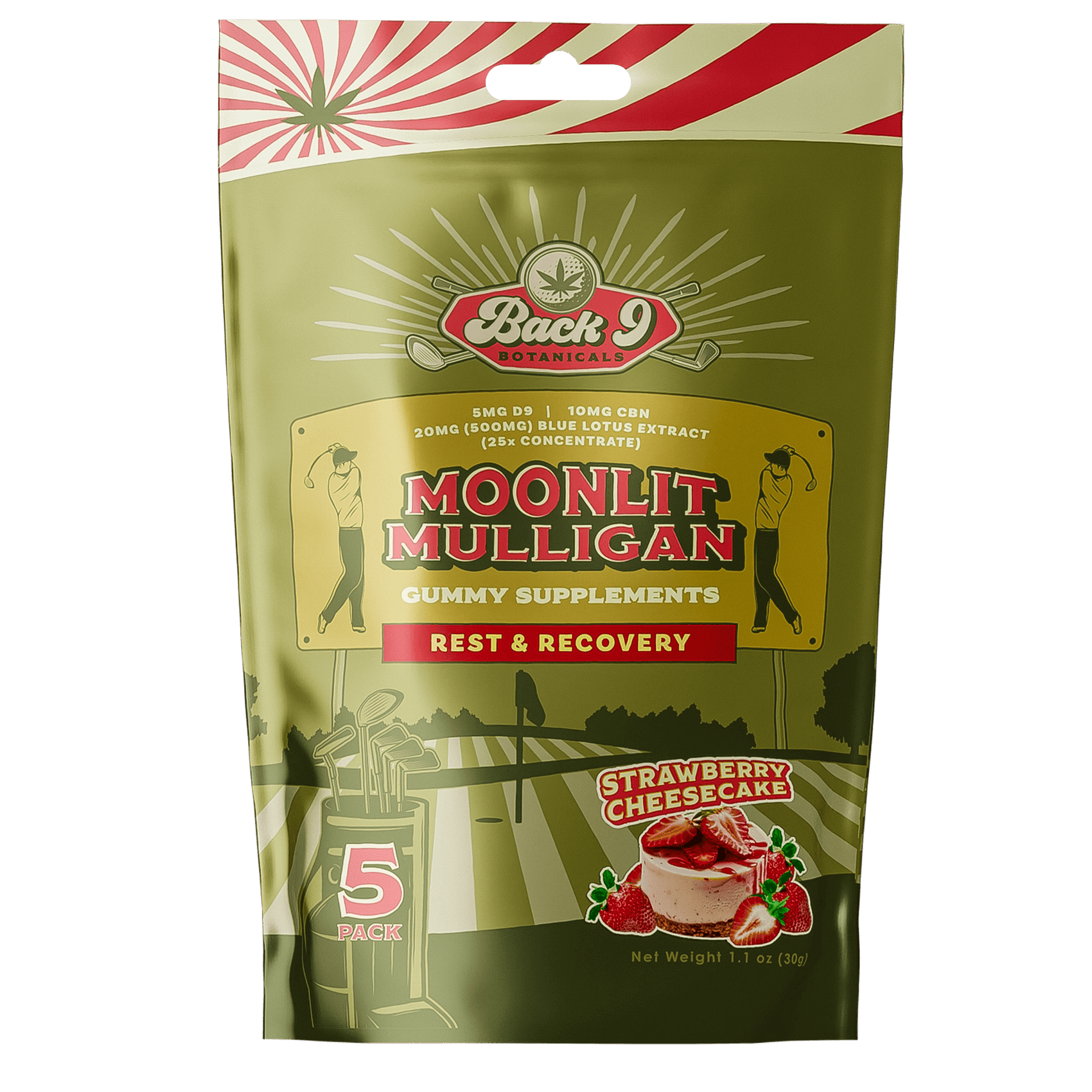
For athletes seeking additional support, research on sleep and athletic performance shows that certain botanicals can enhance sleep quality without the grogginess of prescription sleep aids. Back 9 Botanicals' Moonlit Mulligan - Rest & Recovery Gummies combines hemp-derived CBN, Delta 9 THC, and Blue Lotus extract, ingredients traditionally used to support deep, restorative sleep.

Active Recovery for Athletes: Low-Intensity Movement Strategies
Active recovery is deliberate, low-intensity movement on rest days or after hard training.

Common active recovery strategies include:
- Walking or easy cycling for 20-30 minutes
- Yoga or tai chi focusing on breathing and mobility
- Swimming at conversational pace
- Light foam rolling on major muscle groups
- Gentle hiking on flat terrain
Keep intensity low enough to hold a conversation, if you're breathing hard, you're training, not recovering. Sessions typically last 20-45 minutes and should leave you feeling better, not fatigued.
Stretching, Mobility, and Soft-Tissue Care
Stretching and mobility work prevent the stiffness that accumulates with training and age. Many athletes skip it because it feels less productive than hard workouts, but tight muscles move less efficiently, alter movement patterns, and increase injury likelihood.
Effective mobility work includes static stretching (30-60 second holds), dynamic stretching, and soft-tissue work like foam rolling or self-massage. Athletes who spend 10-15 minutes daily on mobility report better movement, less soreness, and fewer injuries.
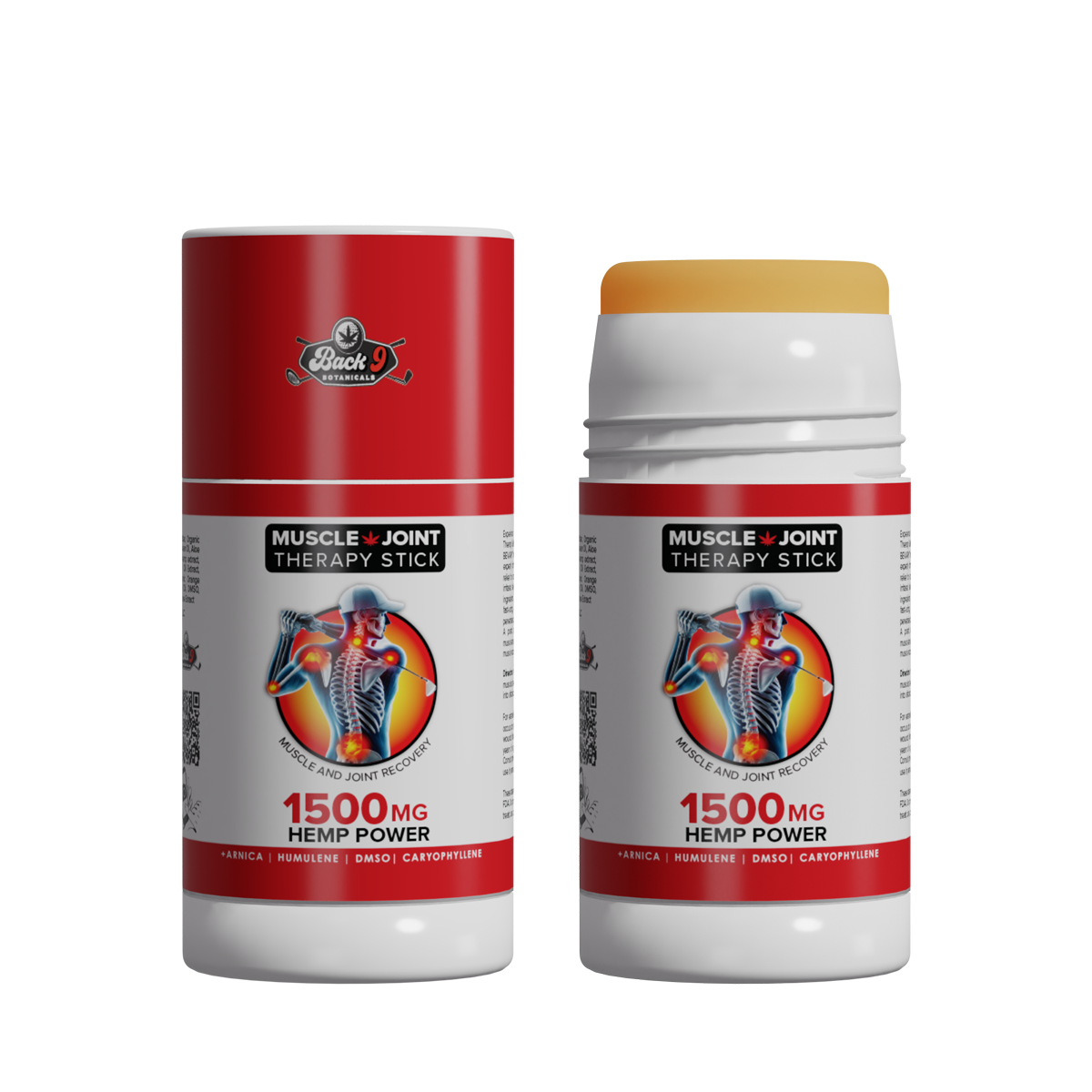
For targeted muscle and joint relief, many athletes turn to topical support. Back 9 Botanicals' CBD Topical Therapy Stick delivers 1500 mg of broad-spectrum hemp oil with over 1100 mg CBD, plus botanical ingredients like arnica and cayenne extract.

Post-Workout Recovery Nutrition and Hydration
What you eat and drink after training directly determines how quickly you recover. Muscles are primed to absorb nutrients immediately after exercise, making post-workout nutrition one of the highest-impact recovery tools.
Effective post-workout nutrition includes:
- Protein (20-40g) to support muscle repair
- Carbohydrates (40-80g) to replenish depleted energy stores
- Fluids and electrolytes to restore hydration
- Anti-inflammatory foods like berries or leafy greens
Timing matters: eating within 1-2 hours of training maximizes absorption. Combine a protein source (Greek yogurt, chicken, fish, legumes) with carbohydrates (fruit, rice, sweet potato) and add vegetables for micronutrients and anti-inflammatory compounds.
Hydration is equally critical. Sweat losses deplete water and electrolytes, and water alone doesn't fully restore balance, adding sodium through food or electrolyte drinks ensures proper rehydration.
Natural Recovery Tools: Topical Relief and Sleep Support
Natural recovery extends beyond training and nutrition to targeted support tools. Topicals provide localized relief without systemic effects, while sleep-supporting formulas address one of recovery's most critical pillars.
Back 9 Botanicals offers two products designed for athlete recovery. The CBD Topical Therapy Stick delivers immediate post-workout relief, apply it to sore muscles or stiff joints to support comfort and mobility.
Consistency matters more than the specific product.
Measuring Recovery and Building Your Personal Plan
Effective recovery requires tracking what works for your body, because individual responses vary.
Build your personal recovery plan by testing different approaches and observing results:
| Recovery Method | How to Measure | Timeline |
|---|---|---|
| Sleep quality | Morning energy, soreness levels | 1-2 weeks |
| Active recovery | Performance in next session, soreness | 2-3 weeks |
| Nutrition timing | Energy levels, muscle soreness | 2-3 weeks |
| Mobility work | Range of motion, movement quality | 3-4 weeks |
| Topical support | Localized soreness, joint comfort | 1-2 weeks |
Start with the biggest gaps in your routine. Sleeping poorly? Prioritize sleep before adding other tools. Sore after every session? Focus on post-workout nutrition and active recovery.
Athletic recovery guidelines from the American College of Sports Medicine emphasize that recovery is trainable, meaning you can improve your ability to recover just as you improve fitness.
Track subjective measures, how you feel, how you sleep, how your body responds to training. Over 4-6 weeks, patterns emerge and you'll notice which approaches help you most.
Frequently Asked Questions
What makes natural recovery methods better than synthetic alternatives?
Natural recovery methods work with your body's existing repair systems rather than masking symptoms. They address root causes like muscle soreness, fatigue, and sleep disruption through proven techniques such as active recovery, proper nutrition, and sleep optimization. Many athletes find natural approaches produce fewer side effects and support long-term performance without dependency on synthetic aids.
How does sleep and athletic recovery work together?
Sleep is when your body performs most of its muscle repair and recovery. During deep sleep, growth hormone peaks, muscle protein synthesis accelerates, and your nervous system restores itself. Athletes who prioritize sleep see faster recovery between workouts, better injury prevention, and improved performance. Most athletes need 7-9 hours nightly, with some requiring more during heavy training phases.
Can active recovery for athletes actually speed up muscle repair?
Yes. Low-intensity movement increases blood flow to tired muscles, delivering oxygen and nutrients needed for repair while clearing metabolic waste. Active recovery like light walking, swimming, or easy cycling reduces muscle soreness (DOMS) without creating additional training stress. The key is keeping intensity low, the goal is movement, not another workout.
What should I eat after a workout for best recovery?
Post-workout recovery nutrition should include protein to rebuild muscle and carbohydrates to replenish energy stores. Aim for protein within 30-60 minutes after training, paired with fluids and electrolytes to rehydrate. Examples include a turkey sandwich with fruit, Greek yogurt with granola, or a smoothie with protein powder and banana. Hydration is equally important, drink enough water to replace fluids lost during exercise.

