
 Cart (0 items)





Daily balance starts with simple habits, a steady sleep schedule and products you can evaluate. Learn how to build a wellness routine that fits your life.
Building Better Daily Balance Through Wellness Retail

Last Updated: November 14, 2026
Quick Summary
Better daily balance comes from steady, specific habits rather than a single product. Anchor your day with a morning stretch, a midday walk and a consistent evening wind-down, then add a product only where it fills a real gap. Track two weeks of habits to see which ones matter most.
- Choose one anchor habit this week, such as a morning stretch, midday walk or set bedtime.
- Track your routine for two weeks using a simple phone checklist.
- Keep the habits that noticeably improve how you feel and drop the rest.
- Screens off 30 minutes before bed supports a consistent wind-down.
- Check a current certificate of analysis and cost per serving before buying any product.
Ready for a steadier day?Back 9 Botanicals makes hemp gummies for focus, recovery and rest.
Build Your Daily Routine
Table of Contents
- What Daily Balance Means for Everyday Wellness
- Building Daily Wellness Habits That Stick
- Shaping a Balanced Wellness Routine Around Your Schedule
- Sleep and Athletic Recovery Between Rounds and Workouts
- How to Evaluate Wellness Products Before You Buy
- Where CBD Fits in a Daily Wellness Routine
- Choosing Your Next Step Toward Better Daily Balance
- Frequently Asked Questions
What Daily Balance Means for Everyday Wellness
Daily balance is the steady feeling that your energy, focus, mood and rest are working together across the day. A regular routine tends to matter more than any single product. Small, consistent habits often do more for a day than occasional large changes.
Daily balance has four practical parts: energy that holds through the morning, focus that lasts through the afternoon, a calm enough mind to wind down, and sleep that actually restores you. When one part slips, the others often follow. A golfer who sleeps poorly may struggle with nerves on the first tee, and an athlete with stiff muscles may lose focus during a workout.
Wellness retail is one way to build that routine, but it works best alongside habits you control yourself. Think of products as tools that support movement, sleep and stress management, not as replacements for them.
Building Daily Wellness Habits That Stick
Habits stick when they are small, specific and tied to something you already do. A golfer who drinks a glass of water on the way to the first tee is more likely to keep it up than one who sets a vague goal to "drink more."

Start with three anchors:
- Morning: Ten minutes of light stretching before coffee.
- Midday: A short walk after lunch, even if it is just around the clubhouse.
- Evening: A consistent wind-down time, with screens put away 30 minutes before bed.
Track what you do for two weeks. A simple checklist on your phone is enough. Most people find that one or two habits drive most of the benefit, so keep the ones that noticeably improve how you feel and drop the rest.
Daily wellness habits also make product choices easier. When you know your routine, you can tell whether a supplement fills a real gap or just adds clutter.
Shaping a Balanced Wellness Routine Around Your Schedule
A balanced routine fits your real week, not an ideal one. Early starts, long workdays, training sessions, and social evenings all pull on the same hours, so the routine has to bend without breaking. The practical approach is to build a default day, then adjust it for heavy days and light days.
Start with a default day that covers four anchors:
- Morning: Water and ten minutes of light movement before caffeine.
- Midday: A short walk and a meal with protein and vegetables.
- Afternoon: A two-minute stress reset, slow breathing, a stretch, or a step outside.
- Evening: A consistent wind-down time with screens off 30 minutes before bed.
On heavy days, a long training session, a back-to-back work schedule, or a late event, shrink the routine instead of skipping it. Keep the morning water, the midday walk, and the evening wind-down, and drop the optional pieces. On light days, use the extra time for mobility work, a longer walk, or meal prep for the week ahead. Planning ahead keeps you from skipping everything when the schedule gets tight.
Personalize the routine by goal, not by category. If your main goal is sleep, protect the evening anchor first. If your goal is stress relief, the afternoon reset matters most. If your goal is recovery after training, the post-session window is the one to defend. If you are building an alcohol-free evening ritual, replace the drink with a consistent non-alcoholic option at the same time each night so the habit has a slot to fill. The same principle applies at the start of the day: build a morning routine around one dependable anchor, then let it support the rest of your balance.
Budget is part of the plan. A realistic weekly wellness budget covers the habits you can keep, movement, sleep, and food, before it covers products. Prioritize one product that supports your main goal, use it consistently for a few weeks, and add a second only if the first is clearly helping. Buying three products at once makes it hard to tell what is working and strains the budget.
The Back 9 Daily Wellness Stack bundles three gummy formulas, Birdie Boost!, Players Blend and Moonlit Mulligan, into one routine, so you can keep a consistent schedule without tracking several separate products. Explore the Back 9 Daily Wellness Stack to see how the three parts fit together across a day.

Watch out: a routine that only works on your easiest days is not a routine. If you cannot keep it on a busy Tuesday, make it smaller until you can.
Sleep and Athletic Recovery Between Rounds and Workouts
Sleep is where most recovery happens. Muscles repair, the nervous system resets, and mental focus recovers. Golfers and weekend athletes often underestimate how much a late night after a tournament affects the next morning.
Keep a regular sleep window, even on weekends, and keep your bedroom cool and dark. If you struggle to wind down, a consistent pre-bed routine helps more than any single trick. For a deeper look at the basics, read our guide on how to improve sleep for athletes.
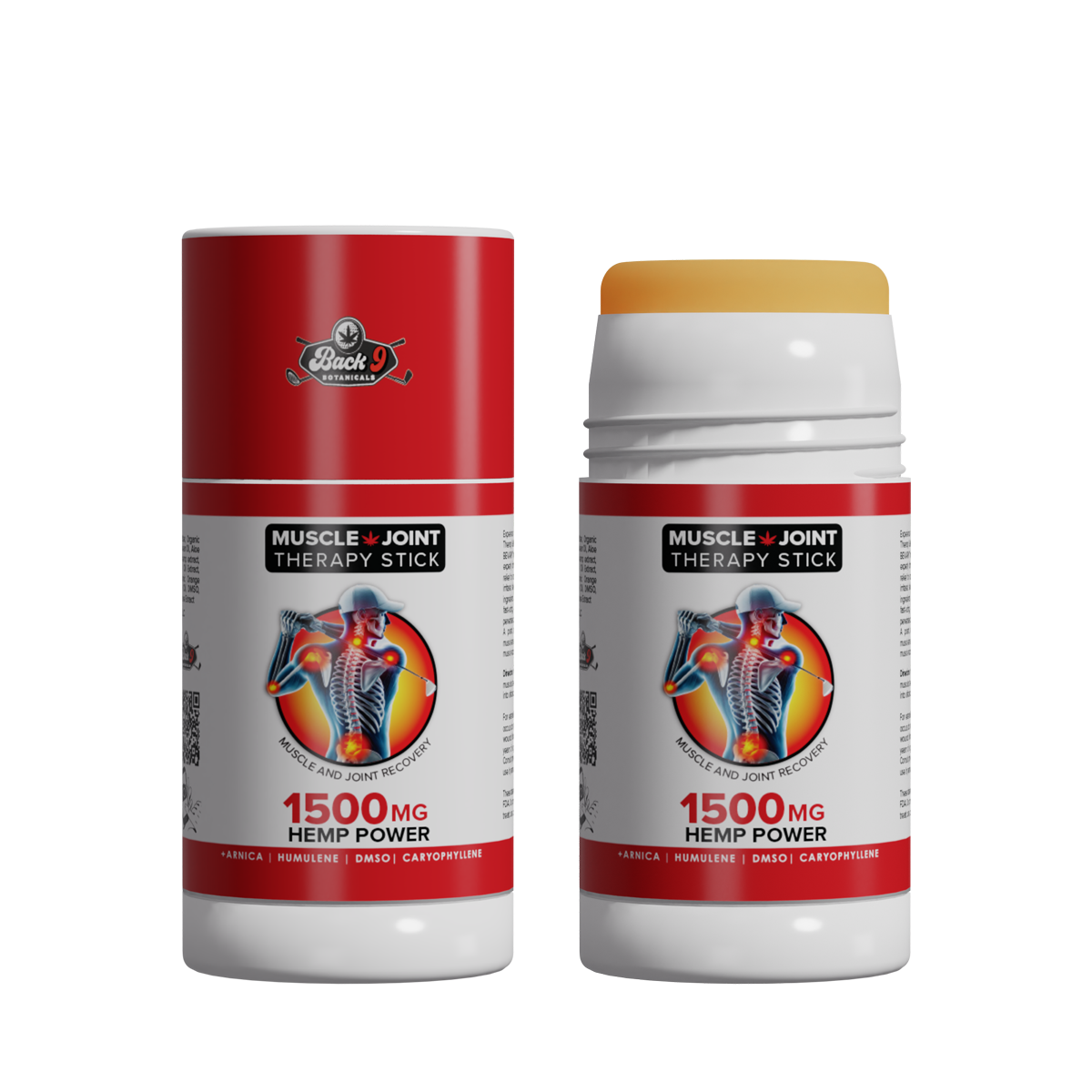
Recovery also depends on what you do after play. Stretching, hydration and gentle movement all help. Hemp-based options can be part of a post-round routine for some people. Compare hemp supplements built for post-round muscle recovery to see which formats suit your routine. Results vary, and a supplement works best alongside rest and good nutrition, not in place of them.
How to Evaluate Wellness Products Before You Buy
Choosing a wellness product is easier when you separate marketing from evidence. Start with the label, then look at the testing, then compare value on a per-serving basis. That order keeps you from paying for packaging or a dose too low to matter.
Use this checklist before you buy:
- Ingredients are listed clearly, with amounts per serving.
- The product states its hemp source and THC content.
- A current certificate of analysis (COA) is available for the batch.
- The dosing guidance matches how you plan to use it.
- The price per serving is clear, so you can compare fairly.
A certificate of analysis is a third-party lab report that shows what is actually in a product. Reading one takes a few minutes and tells you more than marketing copy does. Look for the batch or lot number, the date the sample was tested, the cannabinoid profile (CBD, THC, and minor cannabinoids), and whether the report covers potency, heavy metals, pesticides, and microbials. A COA that lists only total cannabinoids but skips contaminants is incomplete. Learn how to verify purity and read certificates of analysis before you commit to a product.
Watch out: a COA that is more than a year old or that does not match the batch number on the bottle tells you nothing about what you are actually holding.
Cost per serving is the only fair way to compare products. Divide the total price by the number of servings in the package, then divide again by the milligrams per serving if you want cost per milligram. A larger bottle with a lower dose can cost more per effective serving than a smaller bottle with a higher dose. Compare cost per serving and the quality of the lab data together, not the sticker price alone.
For a step-by-step approach, see our guide to choosing wellness gummies for daily focus. It walks through the same checks in more detail.
| Routine Need | What to Look For | Typical Timing |
|---|---|---|
| Morning energy and focus | Clear ingredient list, moderate dose | Morning |
| Midday balance | Easy-to-track serving size | Midday, as needed |
| Evening rest | Simple formula, consistent timing | 30 to 60 minutes before bed |
| Recovery after play or training | Verified purity, clear COA | After workouts or matches |
Personalization matters as much as testing. Match the product to your goal, your dietary preferences, and what you already take. If you want help winding down, an evening formula with a simple ingredient list beats a high-dose daytime product. If you are alcohol-free and replacing a drink ritual, look for a product you can take at the same time each evening so the habit replaces the old one. If you are a weekend athlete managing post-training soreness, a recovery format you will actually use after a workout is worth more than a stronger product that sits in a drawer.
Where CBD Fits in a Daily Wellness Routine
CBD is a non-psychoactive cannabinoid derived from hemp. Many people use it as one part of a daily routine, alongside sleep, movement and stress management. The research on CBD is still developing, so it is best to treat it as one option rather than a guaranteed fix.
Consistency matters more than dose size for most users. Pick a dose you can take at the same time each day, track how you feel over a few weeks, and adjust gradually. If you take medication or have a health condition, check with a qualified clinician before starting.
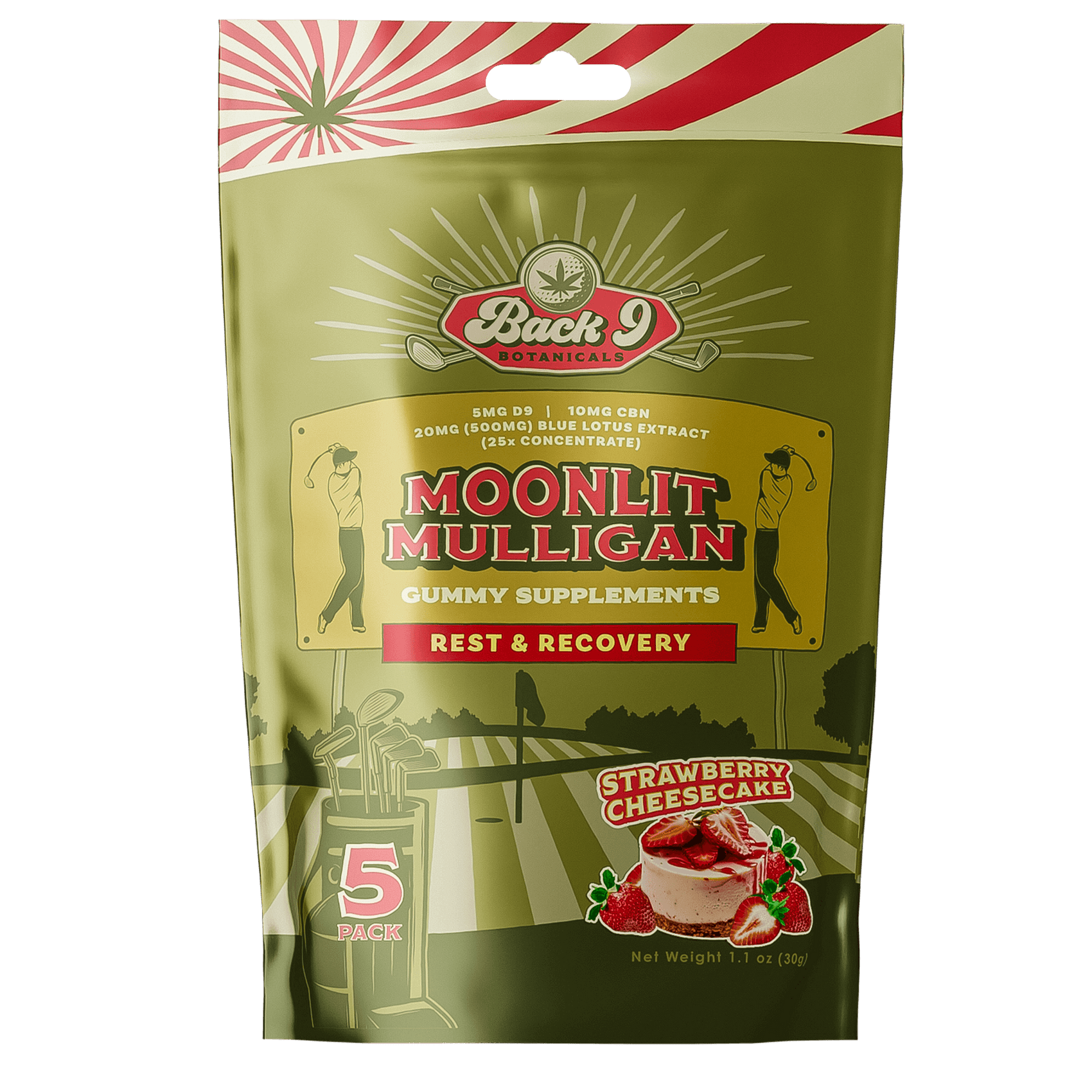
Birdie Boost! and Moonlit Mulligan are two of the Back 9 gummy formulas. Both contain hemp-derived ingredients, so check the lab results and label before you buy.
Choosing Your Next Step Toward Better Daily Balance
Better daily balance comes from a few steady habits, not a single purchase. Start by choosing one anchor habit this week, whether that is a morning stretch, a midday walk or a set bedtime.
Once that habit is in place, look at your routine and see where a product might fill a gap. Back 9 Botanicals offers formulas made for golfers and athletes who want focus, recovery and rest. Try the Back 9 Daily Wellness Stack for a simple all-day routine, or start with a single gummy formula if you prefer to test one thing at a time.
Frequently Asked Questions
What is the 5-3-1 rule for wellness?
The 5-3-1 rule is a simple way to organize a day around small, repeatable habits: five minutes of movement or breathing, three balanced meals or snacks, and one wind-down step before bed. It is a planning guide rather than a clinical standard, so treat it as a starting framework. Adjust the numbers to fit your schedule, and track how you feel over two or three weeks to see which habits actually help your energy, focus and sleep.
Can CBD be part of a daily wellness routine?
Some adults add CBD products to a daily wellness routine, but the research on its effects is still developing and results vary from person to person. Start with a low dose, choose products with third-party lab results and keep a simple log of how you feel. If you take medications or have a health condition, talk with a doctor before adding any hemp-derived product. CBD is not a replacement for sleep, nutrition or recovery basics.
How does sleep affect daily wellness and athletic recovery?
Sleep is when most physical recovery and mental reset happen, so a consistent sleep schedule supports both energy and muscle repair. Going to bed and waking at similar times, limiting screens for the last hour before bed and keeping the bedroom cool and dark are practical steps. Golfers and weekend athletes often notice that a rough night affects focus on the course more than physical fatigue does.
How can I build a balanced daily wellness routine?
Start with one or two habits you can keep for two weeks, such as a short walk after lunch and a consistent bedtime. Add meals with protein, vegetables and whole grains, and use a basic habit tracker to note what you did each day. Review the log weekly, keep what works and drop what does not. Balance comes from consistency across small choices, not from one perfect day.


