
 Cart (0 items)





Is post-workout CBD worth it for runners: Discover whether post-workout CBD is worth it for runners. Learn how CBD supports muscle recovery, reduces.
Is Post-Workout CBD Worth It for Runners

Table of Contents
- What Is CBD and How Does It Work in Your Body
- The Best CBD for Muscle Soreness After Running
- How to Use CBD for Athletic Recovery
- Is CBD Legal for Professional Athletes
- CBD for Post-Workout Recovery: What the Evidence Shows
- The Real Talk: Placebo Effect vs. Actual Results in Sports Recovery
- Safety, Side Effects, and What to Avoid
- Is Post-Workout CBD Worth the Investment
- Frequently Asked Questions
Last Updated: September 27, 2026
What Is CBD and How Does It Work in Your Body
Cannabidiol (CBD) is a non-psychoactive compound derived from the hemp plant that interacts with your body's endocannabinoid system to support recovery and wellness, but is post-workout CBD worth it for runners seeking natural recovery support? Unlike THC, CBD doesn't produce a "high," making it a practical option for athletes seeking natural recovery support without psychoactive effects.
Your endocannabinoid system maintains homeostasis, the body's internal balance, by regulating sleep, pain perception, immune response, and inflammation. When you run hard, you create physical stress that disrupts this balance. CBD may help restore it by binding to cannabinoid receptors throughout your nervous system and immune tissue.
The science here matters for runners specifically. Strenuous exercise triggers oxidative stress and inflammatory cascades as your muscles repair themselves. This is normal and necessary, but excessive inflammation extends recovery time and increases delayed onset muscle soreness (DOMS). Research suggests CBD's anti-inflammatory properties may modulate this response without suppressing the adaptive signaling your body needs to build strength.
Pro Tip
Back 9 Botanicals formulates CBD products specifically for athletes and active individuals. Their broad-spectrum approach includes complementary cannabinoids that work synergistically with CBD through what's called the "entourage effect", where multiple compounds enhance each other's benefits.
The key distinction: CBD doesn't numb pain or force recovery. It may reduce inflammation and anxiety, allowing your body to recover more efficiently on its own.
The Best CBD for Muscle Soreness After Running
When choosing CBD for post-run recovery, the delivery method and formulation matter more than brand recognition. Topical and ingestible options each address different aspects of muscle soreness.
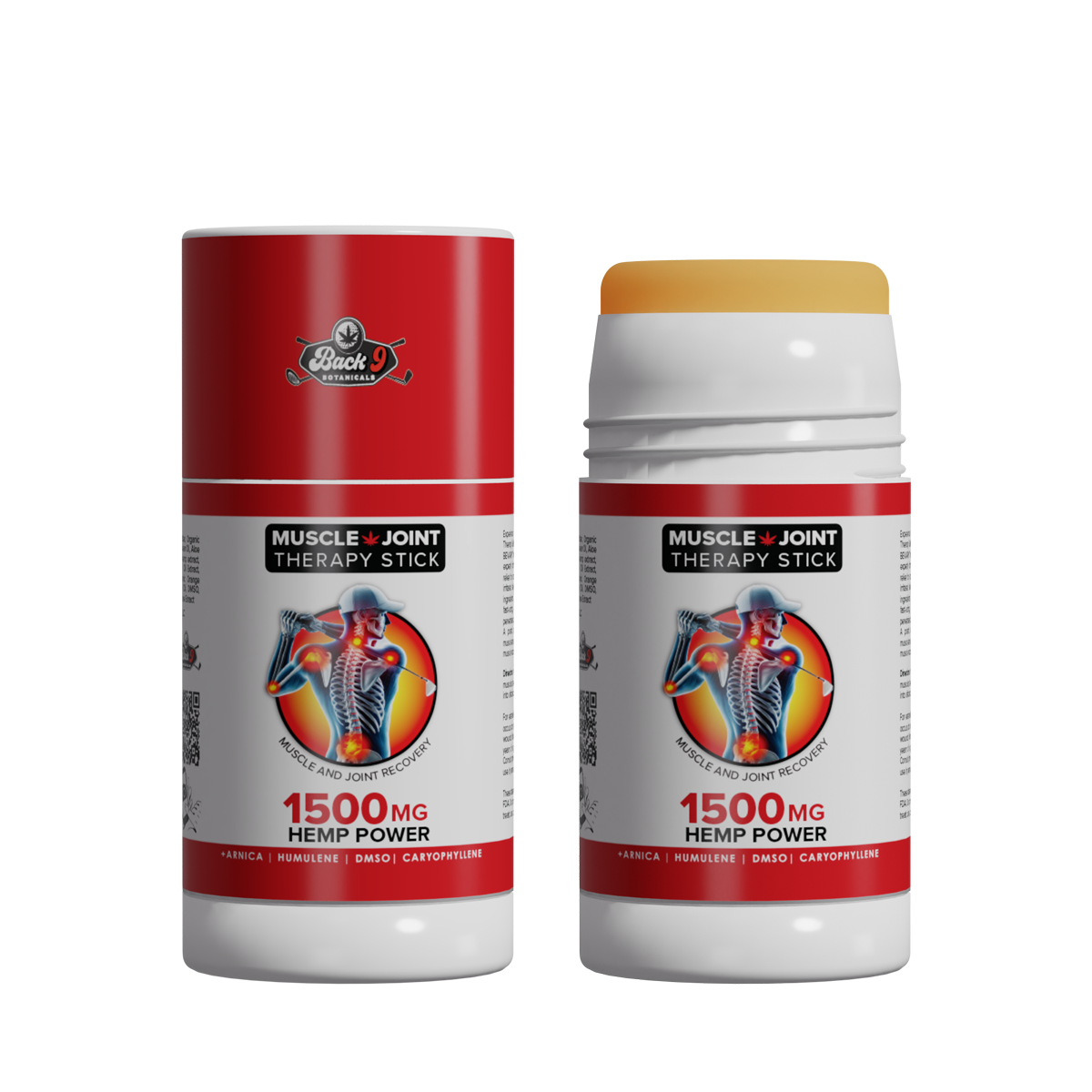
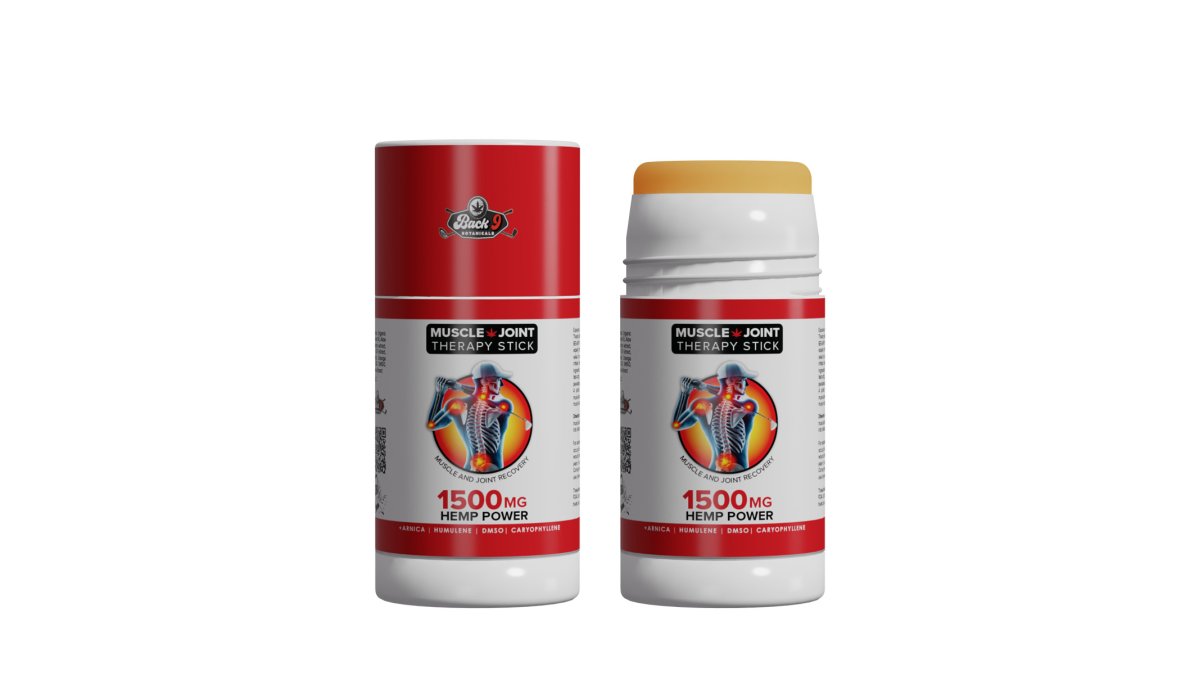
The CBD Topical Therapy Stick from Back 9 Botanicals delivers 1100 mg of CBD directly to sore muscles through a convenient stick application. The formulation includes arnica for swelling reduction, cayenne extract for circulation support, and DMSO for deep tissue penetration. This approach works best for localized soreness, your IT band, quads, or calves after a long run.

Apply topical CBD immediately after running while inflammation is active. The direct application means faster onset compared to ingestible options, typically providing noticeable relief within 15-30 minutes for localized areas.
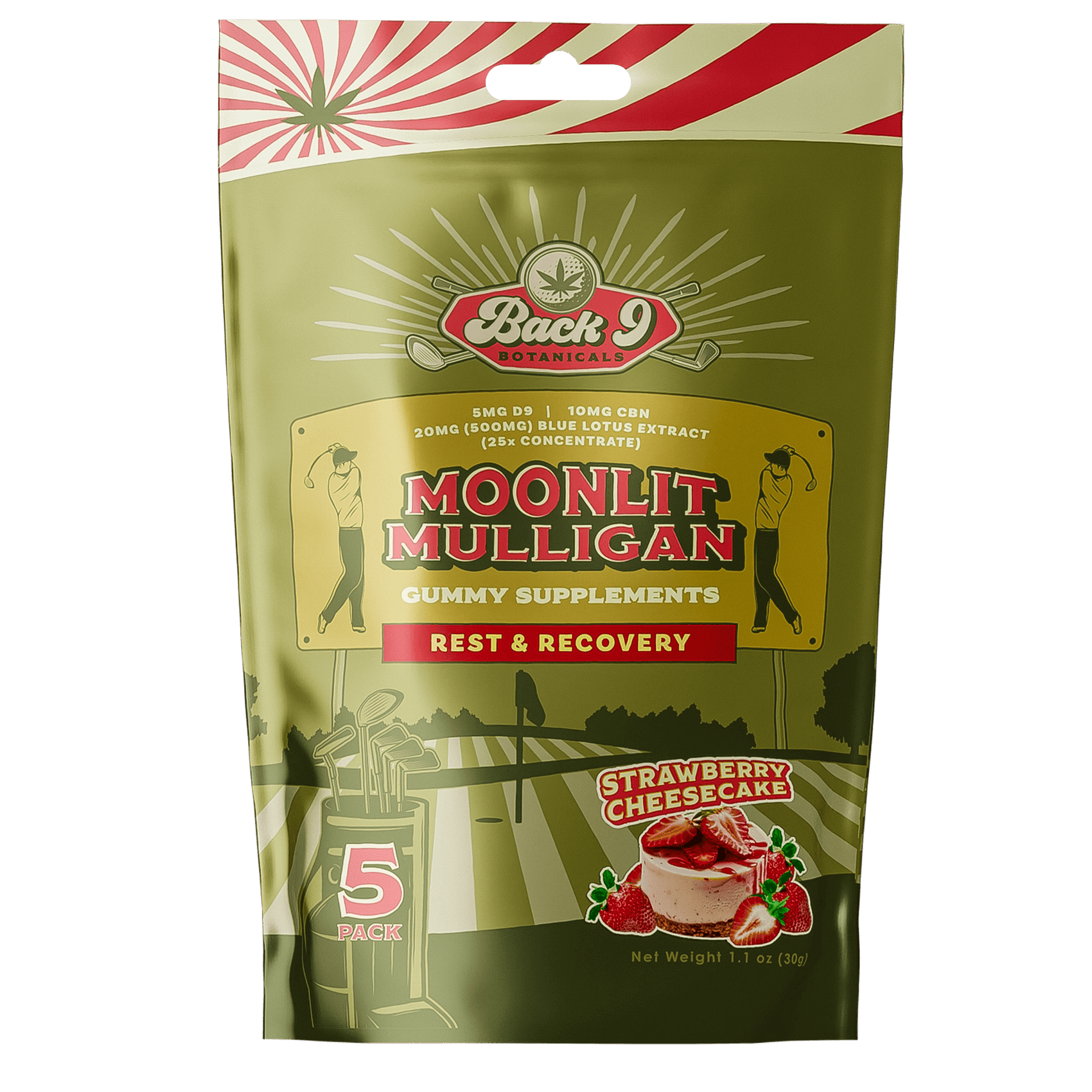
Ingestible CBD products offer systemic benefits that address whole-body inflammation and recovery. The Birdie Boost! Attitude & Altitude Gummies combine CBD with magnesium bis-glycinate and B12, creating a recovery blend that supports muscle repair and reduces overall inflammation. Each gummy contains 25 mg of full-spectrum hemp oil with multiple cannabinoids working together.
The tradeoff between topical and ingestible is simple: topicals target specific sore spots, while ingestibles support your entire recovery process. Many runners use both, topical for acute soreness and ingestible for comprehensive post-workout support. Maintaining hygiene is just as essential as managing inflammation, making it vital to integrate the right post-workout recovery gear into your routine to ensure you stay refreshed after every session.
How to Use CBD for Athletic Recovery
Post-workout CBD timing and dosage directly impact effectiveness. Start by applying topical CBD within 30 minutes of finishing your run, when inflammation is highest and your skin's permeability is increased from exercise.
For ingestible CBD, take it immediately post-run or within 2 hours. Your body absorbs cannabinoids more efficiently when your digestive system is already active. This timing maximizes bioavailability, the amount of CBD your body actually uses.
Topical vs. Ingestible: Which Works Better for Runners
Topical CBD penetrates muscle tissue directly, making it ideal for acute soreness in specific areas. The stick format from Back 9 Botanicals eliminates mess and provides precise application. You'll feel localized relief faster because the CBD doesn't need to travel through your digestive system.
Ingestible CBD distributes throughout your bloodstream, supporting systemic inflammation and sleep quality, both critical for recovery. While onset takes longer (30-60 minutes), the effects last longer and address the full-body stress of running.
The best approach combines both. Use topical CBD for your primary complaint areas immediately post-run. Take ingestible CBD in the evening to support sleep and overnight recovery. This dual strategy addresses inflammation at multiple levels.
Dosage Protocols for Different Run Intensities
Easy recovery runs (3-5 miles) require minimal intervention. A single topical application to any sore spots and optional ingestible CBD in the evening suffice.
Moderate runs (6-10 miles) warrant more structured support. Apply topical CBD to high-impact areas, then take ingestible CBD post-run. The Birdie Boost! gummies provide a reasonable starting point.
Long runs (11+ miles) and tempo efforts demand aggressive recovery. Use topical CBD immediately, then take ingestible CBD within 2 hours post-run. Consider a second ingestible dose before bed to support sleep quality, which accelerates muscle repair.
These aren't rigid rules, individual responses vary. Start conservatively and adjust based on your soreness levels and recovery speed over successive weeks.
Is CBD Legal for Professional Athletes
The legal status of CBD for athletes depends on your competition level and governing body. This matters because some athletic organizations maintain strict rules despite federal legality.
CBD itself is federally legal under the 2018 Farm Bill when derived from hemp and containing less than 0.3% Delta-9 THC. However, the World Anti-Doping Agency (WADA) prohibits all cannabis-derived products, including CBD, for professional and Olympic athletes. If you compete at the professional level, CBD is off-limits regardless of THC content.
Recreational athletes and weekend warriors face no restrictions. Local running clubs, amateur marathons, and casual competitions have no anti-CBD policies. The concern only applies if you're pursuing professional sponsorships or competing in WADA-regulated events.
Watch Out
Many CBD products contain trace amounts of THC that exceed the 0.3% federal limit, which could theoretically trigger a failed drug test. Back 9 Botanicals' topical stick contains 0% THC and is formulated specifically for athletes concerned about testing. Always verify third-party lab testing results before using any CBD product in competitive contexts.
Check your specific governing body's rules before using CBD. Verify that any product carries third-party lab testing confirming THC levels. This documentation protects you if your competition ever disputes your use.
CBD for Post-Workout Recovery: What the Evidence Shows
The evidence on CBD for athletic recovery remains emerging, but existing research points in promising directions. Studies examining CBD's anti-inflammatory effects suggest it may reduce the inflammatory markers that spike after intense exercise.
Research also indicates CBD may support sleep quality, which directly accelerates muscle recovery. Since most adaptation happens during sleep, improving sleep duration and quality provides measurable recovery benefits independent of CBD's anti-inflammatory properties.
Reducing Inflammation and Swelling
CBD interacts with your endocannabinoid system to modulate inflammatory responses. Rather than suppressing all inflammation, which would impair adaptation, CBD appears to reduce excessive inflammation while preserving beneficial signaling.
This distinction matters for runners. You want some inflammation to trigger adaptation, but excessive inflammation extends soreness and recovery time. The anti-inflammatory properties of CBD may optimize this balance.
Topical application delivers cannabinoids directly to inflamed tissue, where they interact with local cannabinoid receptors. This localized approach means faster onset and stronger local effects compared to systemic ingestion.
Managing Delayed Onset Muscle Soreness (DOMS)
DOMS peaks 24-72 hours post-exercise when inflammatory mediators are highest. CBD's timeline aligns well with DOMS progression, taking ingestible CBD immediately post-run positions it to modulate the inflammatory cascade as it develops.
Many runners report reduced DOMS severity when using CBD consistently after hard efforts.
The Real Talk: Placebo Effect vs. Actual Results in Sports Recovery
This is where most recovery discussions fail athletes. The placebo effect in sports is real and powerful, believing something works often produces measurable improvements in performance and recovery perception.
Safety, Side Effects, and What to Avoid
CBD is generally well-tolerated, with most users experiencing no adverse effects. The most common side effects are mild: dry mouth, drowsiness, or slight appetite changes. These typically resolve within days as your body adjusts.
| Consideration | Topical CBD | Ingestible CBD |
|---|---|---|
| Onset time | 15-30 minutes | 30-60 minutes |
| Duration | 4-6 hours | 6-8 hours |
| Best for | Localized soreness | Systemic inflammation |
| Side effects | Minimal | Mild drowsiness possible |
| Drug interactions | Unlikely | Possible with medications |
Is Post-Workout CBD Worth the Investment
The value proposition depends on your recovery needs and training volume. For casual runners doing 15-20 miles per week, the benefit-to-cost ratio may not justify regular CBD use. Basic recovery habits, sleep, nutrition, easy days, likely provide 80% of the benefit.
Frequently Asked Questions
Is CBD good for runners after a workout?
CBD may help runners manage post-workout soreness and inflammation through its interaction with the endocannabinoid system. While research is ongoing, many athletes report that post-workout CBD supports faster recovery and reduced muscle fatigue. Results vary by individual, product quality, and dosage. Third-party lab testing ensures you're getting a clean product without contaminants.
Will I fail a drug test if I use CBD as an athlete?
Pure CBD (0% THC) won't show up on standard drug tests. However, some full-spectrum products contain trace amounts of THC, which could potentially trigger a positive result if you're competing at a level subject to World Anti-Doping Agency (WADA) testing. Always check product labels for THC content and verify your sport's specific rules before use.
What's the best way to use CBD for athletic recovery?
The best approach depends on your needs. Topical CBD works well for localized muscle soreness and joint pain, apply directly to sore areas after your run. Ingestible CBD (gummies) supports systemic recovery and may help with sleep quality and inflammation throughout your body. Start with a lower dose and adjust based on your response. Many runners use both methods together.
How does CBD reduce muscle soreness compared to other recovery methods?
CBD interacts with your endocannabinoid system to help manage inflammation and pain signaling. Unlike NSAIDs, CBD doesn't carry the same gastrointestinal risks with long-term use. It works best as part of a complete recovery strategy that includes adequate sleep, hydration, nutrition, and active recovery. Some runners combine CBD with stretching and foam rolling for better results.
Is post-workout CBD actually worth the cost?
That depends on your recovery needs and budget. If you struggle with delayed onset muscle soreness (DOMS), inflammation, or sleep quality, CBD may offer meaningful relief. Quality matters, products with third-party lab testing cost more but ensure purity and potency. Many runners find the investment worthwhile compared to frequent massage therapy or over-the-counter pain management.

