
 Cart (0 items)





Science-backed hemp for sports performance: examine CBD's role in muscle recovery, inflammation, and focus. Review WADA rules and safe usage.
Science-Backed Hemp for Sports Performance: 2026 Guide

Table of Contents
- What the Research Says About Hemp for Athletic Recovery
- Hemp and Athletic Inflammation: What the Evidence Shows
- CBD for Muscle Soreness and Post-Workout Recovery
- How Hemp Affects Focus, Stress, and Sleep for Athletes
- Legal Status of CBD in Professional Sports and WADA Rules
- A Practical Framework for Adding Hemp to Your Routine
- What to Look For in a Science-Backed Hemp Product
- Conclusion: Where Hemp Fits in Your Performance Plan
- Frequently Asked Questions
Last Updated: September 8, 2026
The case for science backed hemp for sports performance is moving from fringe curiosity to mainstream recovery tool, yet most athletes still can't separate genuine clinical promise from clever marketing. The gap matters because hemp-derived CBD interacts with the body's endocannabinoid system, which regulates inflammation, pain perception, sleep, and stress response. At Back 9 Botanicals, we've tracked this research closely to build formulas that serve golfers, weekend warriors, and active adults who want more than anecdotal claims.
The core question isn't whether hemp works. It's understanding what the evidence actually supports, how to dose it properly for your sport, and how to navigate the regulatory landscape without risking your amateur status or career.
What the Research Says About Hemp for Athletic Recovery
The scientific case for hemp in athletics centers on how cannabinoids interact with CB1 and CB2 receptors throughout the body. Cannabidiol, unlike tetrahydrocannabinol, doesn't produce psychoactive effects, which makes it attractive for athletes who want physiological support without impairment.
Research into the endocannabinoid system shows it plays a role in maintaining homeostasis across multiple systems that matter for performance. When intense training disrupts that balance, CBD may help the body return to baseline more efficiently.
What the current evidence supports most strongly is CBD's role in supporting recovery pathways rather than enhancing performance directly. The distinction matters. Most credible research points to recovery support, not ergogenic benefits that would help you lift more or run faster in the moment.
A common mistake is expecting hemp products to work like traditional pain relievers. They don't block pain signals the same way. Instead, they support the body's natural inflammatory response, which is why consistent use often matters more than acute dosing.
Hemp and Athletic Inflammation: What the Evidence Shows
Systemic inflammation is the body's natural response to training stress, but chronic elevation impairs recovery and increases injury risk. The anti-inflammatory properties of CBD have drawn significant attention from sports scientists for this reason.
The proposed mechanism involves CBD's interaction with cannabinoid receptors that help modulate cytokine production and immune response. This is the same pathway that has driven interest in CBD for conditions involving persistent inflammation.
What's less clear is dosing. Clinical protocols vary widely, and athletic applications haven't been studied as thoroughly as general inflammatory conditions. Most researchers agree that consistent daily use produces better results than sporadic application after intense sessions.
For athletes dealing with joint stiffness or training-related inflammation, the practical approach combines targeted topical application with a consistent oral routine. The National Center for Complementary and Integrative Health overview of cannabis research notes that while preliminary findings are promising, more rigorous clinical trials are needed to establish definitive protocols.

CBD for Muscle Soreness and Post-Workout Recovery
Delayed onset muscle soreness typically peaks 24 to 72 hours after intense exertion, and this is where many athletes report the most noticeable benefits of CBD for muscle soreness. The research focus here is on recovery speed rather than immediate pain masking.
What makes CBD interesting for recovery is its potential to support sleep quality. Deep sleep is when the body repairs muscle tissue and regulates cortisol, and poor sleep directly impairs recovery. Some athletes find that incorporating CBD into their evening routine improves both sleep onset and sleep architecture.
Practical recovery protocols typically involve:
- Topical application to specific muscle groups within 30 minutes post-exercise
- Consistent daily oral dosing rather than sporadic use
- Pairing with established recovery practices like hydration and protein intake
- Tracking subjective soreness ratings to find your optimal dose
The Journal of Strength and Conditioning Research on recovery interventions emphasizes that recovery is multifactorial, and no single supplement replaces foundational habits like nutrition and sleep.
Key Takeaway
CBD appears most valuable as a consistent daily support for recovery and sleep, not as an acute pain intervention. Athletes who expect immediate pain relief often feel disappointed; those who use it consistently for sleep and recovery report more meaningful results.
How Hemp Affects Focus, Stress, and Sleep for Athletes
The anxiolytic properties of CBD may be its most relevant benefit for competitive athletes. Performance anxiety, pre-competition nerves, and the mental fatigue of training all respond to the body's stress regulation systems.
Cortisol regulation is the mechanism researchers point to most often. Intense training and competition elevate cortisol, and chronic elevation impairs both recovery and cognitive performance. CBD's interaction with serotonin receptors may help moderate this stress response.
For golfers specifically, the mental game often determines outcomes as much as physical skill. The ability to settle nerves on the first tee or refocus after a bad hole has real performance value. This psychological well-being component is why many athletes report benefits that don't show up in muscle recovery metrics.
Sleep quality deserves special attention. Many athletes underperform not from inadequate training but from poor recovery sleep. CBD's potential to improve sleep onset without the grogginess of traditional sleep aids makes it appealing for athletes who need to perform the next morning. therapy for chronic pain.
Pro Tip
Timing matters for sleep-focused use. Take your evening dose 60 to 90 minutes before bed consistently, rather than only on nights when you feel restless. Consistency helps your body establish a predictable wind-down pattern.
Legal Status of CBD in Professional Sports and WADA Rules
The legal status of CBD in professional sports changed significantly when the World Anti-Doping Agency removed CBD from its prohibited list, while THC remains prohibited in competition. This distinction creates both opportunity and risk for athletes.
The World Anti-Doping Agency Prohibited List clearly separates CBD from other cannabinoids. Athletes subject to doping control can use CBD products without risking an adverse analytical finding, provided those products contain no significant THC.
This is where third-party testing becomes non-negotiable. Hemp-derived products can legally contain trace amounts of THC, and full-spectrum products may trigger positive tests. Athletes should only use products with verified zero-THC certificates of analysis.
The legal status of CBD in professional sports also varies by league. Some professional organizations maintain stricter policies than WADA, and amateur athletes competing in certain events may face additional restrictions. Checking your specific governing body's rules before using any hemp product is essential.
Watch Out
THC accumulates in fat tissue and can remain detectable for weeks. Even if a product is labeled "hemp-derived," inconsistent third-party testing means you can't assume it's THC-free. For athletes subject to drug testing, only products with recent lab results showing zero THC are worth the risk.
A Practical Framework for Adding Hemp to Your Routine
Most clinical research on cannabinoids uses fixed doses, but athletes need adaptable protocols. The gap between research and application is where most people get lost. This framework translates the current evidence into actionable steps, emphasizing that the right dose is the one that works for your body weight, training load, and specific recovery goal.
Dosing by Body Weight and Goal
While athletic-specific research is still emerging, general cannabinoid research and clinical practice offer a starting point. A common pattern is to base a daily dose on body weight, typically starting around 0.5 mg of CBD per pound of body weight. For a 180-pound athlete, that's a starting daily dose of 90 mg. This is not a universal rule, but a reference point for titration.
- Recovery & Inflammation (Systemic): For daily support, most practitioners find that splitting the daily dose into two administrations, morning and post-workout or evening, provides more stable support than a single large dose.
- Sleep Support: For sleep, a slightly higher dose taken 60-90 minutes before bed is a common strategy. Some research suggests that higher doses may be more effective for sleep than for daytime anxiety, though individual response varies significantly.
- Acute Soreness (Localized): Topicals are the exception to systemic dosing rules. They are applied directly to the affected muscle or joint, and the dose is less critical than coverage and consistency. Reapplying every few hours as needed is standard practice.
Timing: Pre-Workout vs. Post-Workout vs. Evening
The timing of your dose should align with your specific goal, and this is where the science gets nuanced.
- Pre-Workout (60 minutes before): The focus here is on anxiolytic effects, not energy. For athletes who experience pre-competition anxiety or need to manage stress, a low dose (often half of your standard daily dose) can help with focus without sedation. This is not a stimulant; it's a way to moderate the stress response.
- Post-Workout (within 30 minutes): This timing targets the initial inflammatory cascade. While CBD doesn't block pain like an analgesic, its interaction with the endocannabinoid system may help modulate the body's acute inflammatory response. Pairing this with a topical on the most stressed muscle groups is a common pattern.
- Evening (60-90 minutes before bed): This is the most evidence-supported window. The goal is to leverage CBD's potential to improve sleep onset and sleep architecture, which is when the body performs most of its physical repair. Consistency here is more critical than dose size.
A Note on Supplement Interactions
Athletes rarely use supplements in isolation. If you take creatine, protein, or caffeine, you need to consider how CBD fits into that stack. The most significant interaction is with caffeine. CBD is metabolized by the same liver enzyme (CYP3A4) that processes many compounds, and it can potentially slow the clearance of caffeine, leading to higher caffeine levels in the blood for longer. This could amplify jitters or disrupt sleep if taken too close together. A practical approach is to separate your caffeine and CBD doses by several hours, especially if you are sensitive to caffeine. For creatine and protein, there are no known negative interactions, but it is wise to take CBD at a different time of day than your pre-workout creatine to avoid any potential competition for absorption.
A Simple Titration Protocol
- Week 1-2: Start at the low end of your weight-based range. Take it consistently at the same time each day (e.g., evening).
- Week 3: Assess your sleep quality, soreness, and stress. If you see no change, increase your dose by 25%.
- Week 4-6: Continue to assess and adjust every two weeks. Most people find their 'sweet spot' within this window.
- Track: Keep a simple log of your daily dose, timing, sleep score, and subjective soreness (1-10 scale). This data is more valuable than any generic recommendation.
Pro Tip
Your personal 'effective dose' is a moving target. It can change with training intensity, travel, and stress levels. Be prepared to adjust your dose up by 25% during heavy training blocks and back down during recovery weeks.
The National Institutes of Health database on cannabinoid research contains thousands of studies on CBD, though athletic-specific research remains an emerging area. Using that evidence base to inform your approach is smarter than following marketing claims.
What to Look For in a Science-Backed Hemp Product
The hemp industry has a label accuracy problem. Independent analyses have repeatedly found that many products contain significantly less CBD than their labels claim, and some contain undisclosed THC. For an athlete subject to drug testing, this isn't a minor inconvenience, it's a career risk. The difference between a safe product and a failed test often comes down to the quality of the certificate of analysis (COA).
Decoding the Certificate of Analysis (COA)
A COA is only useful if you know how to read it. Here is what to look for, and what to be wary of:
- Is it recent? A COA from 18 months ago is meaningless. Formulations and raw material sources change. Look for a COA dated within the last 6-12 months, and ideally, one that matches the specific batch number on your product label.
- Is it from an ISO/IEC 17025 accredited lab? This accreditation ensures the lab meets international standards for testing competence. If the lab isn't accredited, the results are less reliable.
- Does it test for potency AND contaminants? A full COA should show two things: a cannabinoid profile (CBD, THC, CBG, etc.) and a screen for heavy metals, pesticides, and microbials. Many products only show potency, which misses half the picture.
- What is the THC level? For athletes, this is the most critical line. Look for "ND" (Non-Detectable) or "<LOQ" (Below Limit of Quantification) for THC. A product that claims "0.0% THC" but has a COA showing 0.3% THC is a red flag.
The Full-Spectrum vs. Broad-Spectrum vs. Isolate Decision
This is not just about marketing buzzwords; it's about risk and efficacy.
- Full-Spectrum: Contains all cannabinoids, including trace amounts of THC (up to 0.3% legally). While the "entourage effect" may offer enhanced benefits, the THC content makes this a non-starter for any athlete subject to drug testing. The risk of accumulation in fat tissue over time is too high.
- Broad-Spectrum: Contains multiple cannabinoids but has the THC removed during processing. This is the safest option for athletes who want the benefits of multiple plant compounds without the risk of a positive test. However, you must verify the COA confirms zero THC, not just "low" THC.
- Isolate: Pure CBD, with no other cannabinoids. This is the lowest risk option, but some research suggests it may be less effective than broad-spectrum for certain conditions due to the lack of the entourage effect.
Bioavailability and Formulation
The way a product is formulated affects how much CBD actually reaches your bloodstream. This is why experienced users often notice differences between products with identical milligram claims.
- Oil Tinctures: When held under the tongue (sublingually), CBD is absorbed directly into the bloodstream, offering higher bioavailability than swallowing a capsule or edible.
- Edibles and Gummies: These must pass through the digestive system and liver, resulting in lower bioavailability and a delayed onset (30-90 minutes). However, the effects may last longer.
- Topicals: These do not enter the bloodstream in significant amounts. They work locally by interacting with cannabinoid receptors in the skin and underlying tissue. This makes them ideal for localized soreness but useless for systemic sleep or stress support.
The Practical Checklist for Athletes
For those seeking science backed hemp for sports performance, the practical checklist includes:
- Recent third-party lab results (within 6 months) showing accurate cannabinoid content
- A COA from an ISO/IEC 17025 accredited lab
- Zero or verified trace THC ("ND" on the COA) for athletes subject to testing
- Clear dosing information with serving size and total cannabinoid content
- A formulation designed for your specific use case, not generic "wellness" products
Watch Out
Do not rely on a QR code on the label that leads to a generic lab results page. You need to see the COA for your specific batch. If the company cannot provide a batch-specific COA with a recent date, that is a significant red flag.
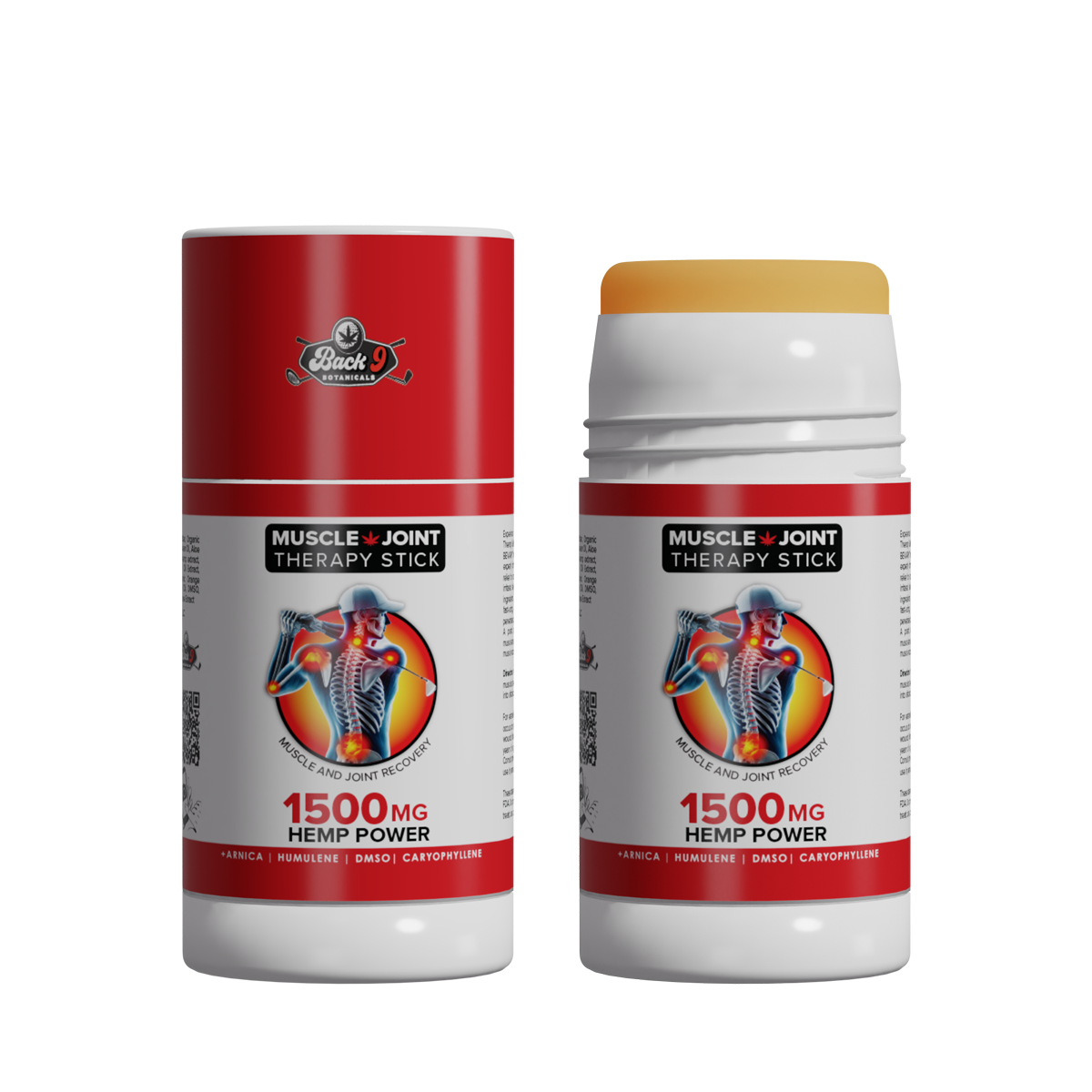
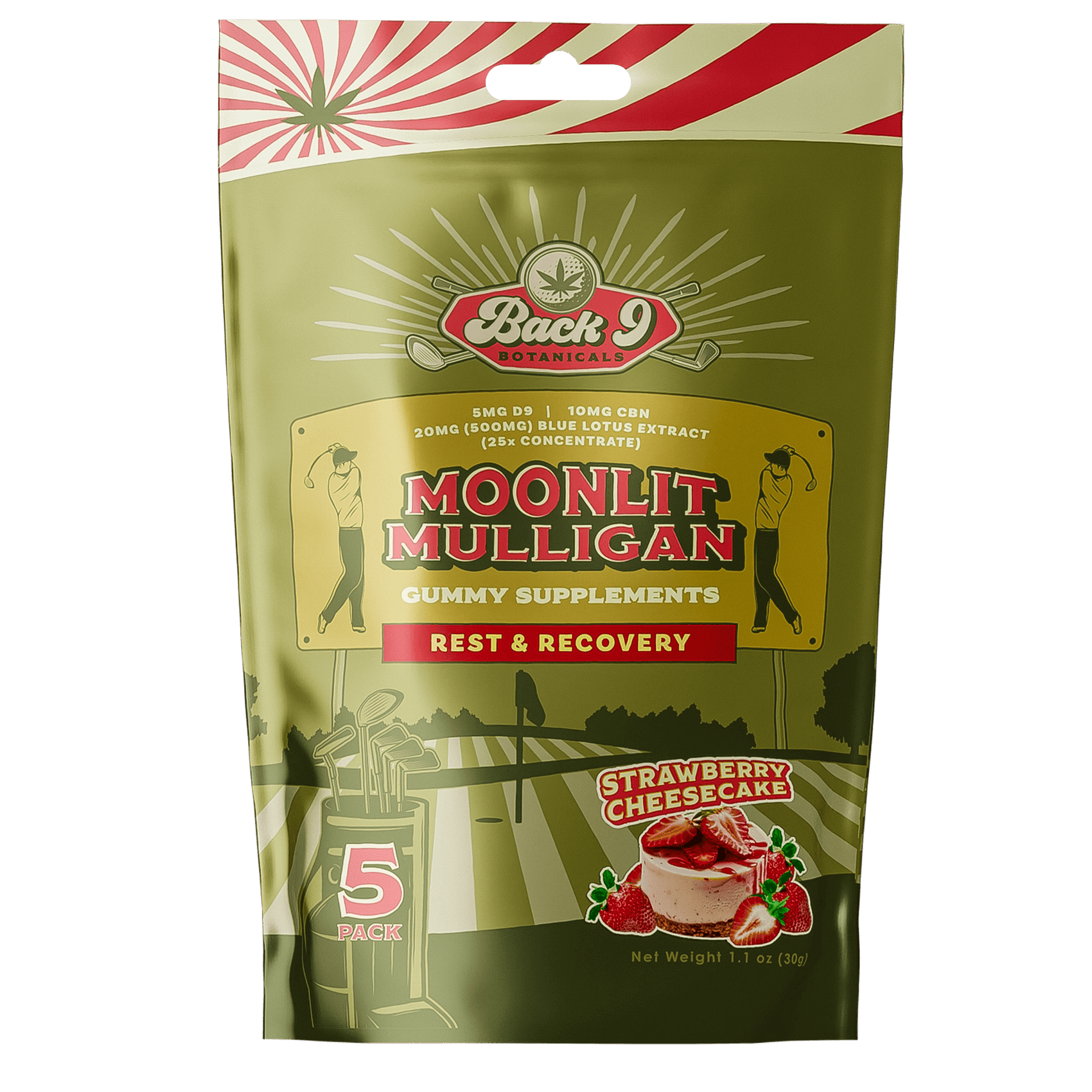
Back 9 Botanicals formulates products specifically for golfers and active adults, combining hemp-derived cannabinoids with functional botanicals. Our CBD Topical Therapy Stick delivers 1500 mg of broad-spectrum hemp oil with zero THC for targeted muscle and joint relief, while our Performance Canna+ Gummies provide a complete performance system for pre-round focus through post-round recovery. Every product includes accessible lab test results so you know exactly what you're consuming.

Conclusion: Where Hemp Fits in Your Performance Plan
The evidence for science-backed hemp for sports performance supports its role in recovery, sleep, and stress management rather than as a direct performance enhancer. Athletes who approach it with realistic expectations and proper dosing protocols tend to see the most value.
The honest limitation is that athletic-specific clinical research remains young. What exists is promising but not definitive, which means your personal experience should guide your decisions. Track your results, verify your products, and respect the regulatory landscape of your sport.
Hemp-derived CBD offers a legitimate tool for athletes who want natural support for recovery and daily balance. The athletes who benefit most are those who treat it as one component of a complete recovery strategy, not a magic solution.
Get started with Back 9 Botanicals and build a recovery routine that supports your performance goals with clean, lab-tested formulas designed for active lifestyles.
Frequently Asked Questions
What does the current research say about CBD and athletic recovery?
Current research suggests CBD may help with recovery by interacting with the endocannabinoid system to support the body's return to homeostasis. Studies are limited, but early clinical trials point to potential benefits for reducing muscle soreness and improving sleep quality. The strongest evidence is for its anti-inflammatory properties, though most findings come from animal models. For athletes, the practical takeaway is that CBD shows promise for recovery support, but it is not a proven performance enhancer.
Is hemp-derived CBD legal for professional athletes under current regulations?
The legal status of CBD in professional sports depends on the governing body. The World Anti-Doping Agency (WADA) removed CBD from its Prohibited List in 2018, so it is permitted in competition. However, THC remains banned. Athletes must use isolate or broad-spectrum products with verified 0% THC to avoid an adverse analytical finding. The U.S. Anti-Doping Agency follows WADA standards. Always check your specific league's rules, as some professional leagues may have stricter policies.
What is the difference between CBD and THC in a sports performance context?
CBD and THC are both cannabinoids but have distinct effects. CBD is non-intoxicating and is studied for its anti-inflammatory and anxiolytic properties, which may aid recovery and focus. THC is psychoactive and can impair motor skills and reaction time, making it unsuitable during training or competition. For sports performance, CBD is the relevant compound. Since most hemp extracts contain trace amounts of THC, athletes should choose broad-spectrum products with 0% THC to avoid any risk of a positive drug test.
Can hemp supplements help with exercise-induced inflammation?
Research indicates that hemp-derived CBD interacts with cannabinoid receptors in the body's endocannabinoid system, which plays a role in regulating inflammation. A 2023 review noted that CBD's anti-inflammatory and analgesic properties could help manage exercise-induced inflammation and delayed onset muscle soreness. While promising, many studies are preclinical. For athletes, this suggests CBD may be a useful addition to a recovery routine, but it should complement, not replace, proven methods like proper nutrition, hydration, and rest.
How do I know if a hemp product is third-party tested?
A reputable hemp product will have a Certificate of Analysis (COA) from an independent, third-party laboratory. This COA verifies the product's cannabinoid content and confirms it is free of contaminants like pesticides, heavy metals, and solvents. Look for a QR code on the label or a 'Lab Tests' link on the brand's website. The COA should be current and match the product's batch number. This step is essential for confirming both label accuracy and safety, especially for athletes concerned about banned substances.
What are the potential side effects of using CBD for sports recovery?
CBD is generally well-tolerated, but some people may experience side effects. The most common ones reported in clinical trials include fatigue, changes in appetite, and diarrhea. CBD can also interact with certain medications, particularly those with a grapefruit warning. It is a good idea to start with a low dose to see how your body responds. If you take prescription medication or have an underlying health condition, talk to your doctor before adding a hemp supplement to your routine.

