
 Cart (0 items)





Compare herbal supplements for knee pain relief, from turmeric to boswellia. Learn evidence, safety, and how to pick quality products.
Best Herbal Supplements for Knee Pain Relief

Table of Contents
- How to Choose Herbal Supplements for Knee Pain Relief
- Turmeric for Knee Pain: What the Evidence Shows
- Boswellia for Arthritis: A Focused Look at Joint Function
- How Long Do Joint Supplements Take to Work?
- Herbal Supplement Safety and Drug Interactions
- Other Herbs and Natural Options for Knee Pain
- When Knee Pain Needs Medical Assessment
- Conclusion
- Frequently Asked Questions
Last Updated: October 17, 2026
How to Choose Herbal Supplements for Knee Pain Relief
Knee pain sends more active adults to the supplement aisle than almost any other joint complaint, and the herbal supplements shelf is where most of them start.
Choosing well comes down to four checks: herbal versus non-herbal, a standardized extract with a real potency figure, evidence matching your specific problem, and safety alongside whatever else you take.
Herbal vs. Non-Herbal Joint Supplements
Herbal supplements come from plant material: turmeric, boswellia, ginger, willow bark. Non-herbal joint supplements are typically animal-derived or synthetic, glucosamine and chondroitin, plus collagen peptides and omega-3 fish oil.
Neither category is inherently better; they work through different mechanisms and carry different evidence profiles. Herbal options are chosen for anti-inflammatory effects, while glucosamine and chondroitin are positioned around cartilage support.
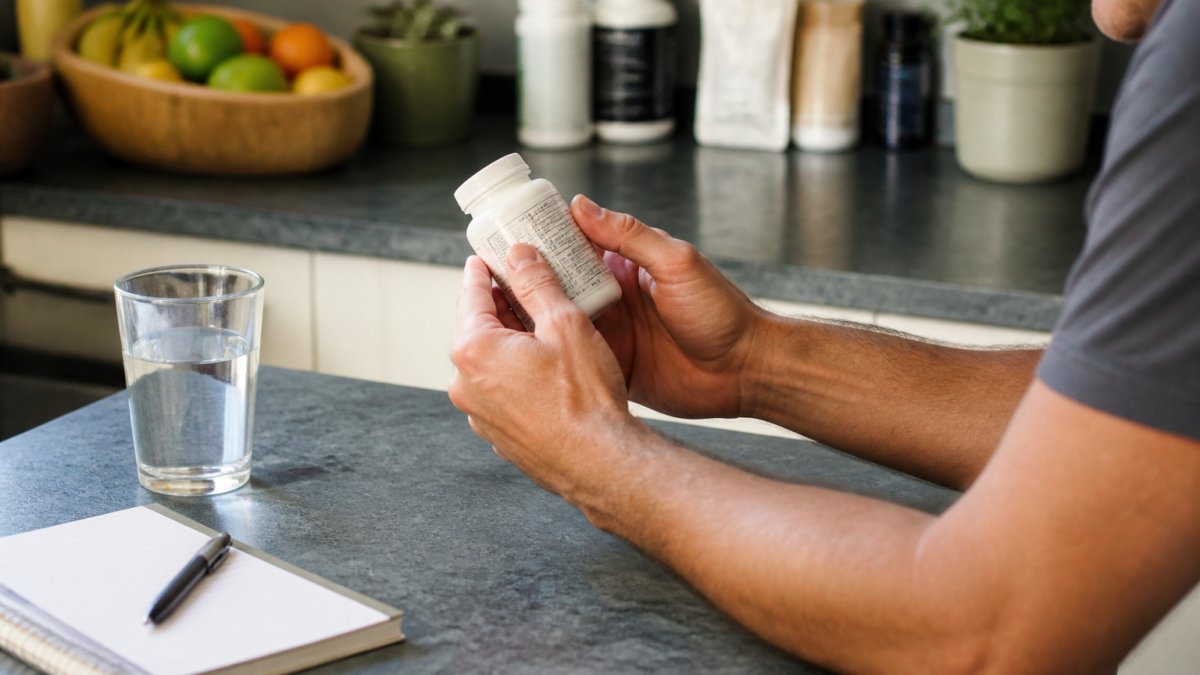
Reading Labels and Standardized Extracts
A standardized extract is processed to guarantee a consistent level of one or more active compounds in every batch, the difference between a serious product and filler.
Look for three things on any label:
- The plant's full name and the part used (for example, Curcuma longa, root)
- A standardization figure, such as "standardized to 95% curcuminoids"
- A suggested serving with an actual milligram amount, not a vague "proprietary blend"
A proprietary blend that hides individual doses is a red flag. You cannot compare it to clinical evidence or judge whether the dose is meaningful.
Pro Tip
Check the serving size against the bottle count before you buy. A label that promises a 60-day supply at two capsules daily needs 120 capsules in the bottle. We see this mismatch constantly on budget products.
Turmeric for Knee Pain: What the Evidence Shows
Turmeric is the most studied herb for knee discomfort, and the evidence is encouraging but narrower than the marketing suggests. Most clinical work uses curcumin extracts rather than kitchen turmeric, with results measured over weeks, not days.
Curcumin shows promise for reducing stiffness and improving joint function in knee osteoarthritis, but studies are often small and formulations vary wildly. A poorly absorbed powder and a bioavailability-enhanced extract are not the same product, even if the bottle front looks identical.
Curcumin, Bioavailability, and Realistic Expectations
Curcumin is poorly absorbed on its own. Formulators work around this with piperine (black pepper extract), phospholipid delivery, or micronized particles. If a product does not address absorption, assume most of it passes through you.
Set expectations at four to eight weeks of consistent daily use before judging results. Anyone promising overnight relief is selling something other than evidence.
Boswellia for Arthritis: A Focused Look at Joint Function
Boswellia serrata takes a different path than turmeric.
Look for extracts standardized to a stated percentage of boswellic acids, often labeled as AKBA. As with turmeric, extract quality drives the outcome far more than the headline milligram count.
Where boswellia falls short: the research base is smaller than turmeric's, and results are less consistent. It is a sensible addition, not a replacement for a proper diagnosis.
How Long Do Joint Supplements Take to Work?
Most joint supplements need four to eight weeks of daily use before you can judge whether they help, and herbal options sit at the longer end of that range. Herbal supplements for knee pain relief are not painkillers; they work gradually, if they work at all.
A practical timeline:
| Timeframe | What to Expect | What to Do |
|---|---|---|
| Week 1-2 | Little to no change | Stay consistent, do not double doses |
| Week 3-4 | Possible early easing of stiffness | Keep a simple daily symptom note |
| Week 5-8 | Fair window to judge benefit | Compare notes against your baseline |
| Beyond 8 weeks | Diminishing new gains | Reassess with your doctor |
If nothing changes after eight weeks at a proper dose, stop. Continuing out of habit is the most common waste in this category.
Herbal Supplement Safety and Drug Interactions
Safety is where herbal products get underestimated. "Natural" does not mean interaction-free, and several herbs used for knee pain have documented concerns. The table below maps common herbs to the medications and conditions that warrant caution, not a substitute for a pharmacist's review, but a source of the right questions to ask.
| Herb | Main concern | Interacts with | Avoid or caution if you have |
|---|---|---|---|
| Turmeric / curcumin | May add to blood-thinning effect; stomach irritation at high doses | Warfarin, apixaban, rivaroxaban, clopidogrel, aspirin; acid-reducing drugs may reduce absorption | Gallbladder disease, kidney stones, bleeding disorders, upcoming surgery |
| Boswellia | May affect liver enzymes that metabolize drugs; GI upset | Drugs processed by CYP3A4 (many statins, some blood pressure and anti-seizure medicines) | Liver disease, pregnancy |
| Ginger | Concentrated doses can add to anticoagulant effect; mild GI upset | Warfarin, aspirin, clopidogrel | Bleeding disorders, gallstones |
| Willow bark | Behaves similarly to aspirin; can irritate the stomach | Aspirin, NSAIDs, anticoagulants, methotrexate | Aspirin or NSAID sensitivity, ulcers, kidney disease, pregnancy, children |
| Devil's claw | May interact with blood thinners and diabetes medicines | Warfarin, insulin, oral hypoglycemics | Ulcers, gallstones, heart disease |
Condition-Specific Cautions
Some conditions change the risk calculus more than others. If any of the following apply, talk to a clinician before starting an herbal joint supplement:
- Bleeding disorders or anticoagulant therapy. Turmeric, ginger, willow bark, and devil's claw can all add to bleeding risk. Do not stack them, and do not start one without telling the prescriber managing your anticoagulant.
- Liver disease. Boswellia and several other botanicals are metabolized in the liver. A compromised liver changes how these compounds clear.
- Kidney disease. Willow bark and other salicylate-containing herbs are a poor choice; impaired clearance raises the risk of toxicity.
Medication Classes That Deserve a Second Look
Beyond blood thinners, three medication classes come up repeatedly in pharmacist reviews:
- Diabetes medications. Willow bark and devil's claw may lower blood sugar, which can compound the effect of insulin or oral hypoglycemics.
- Blood pressure medications. Some botanicals can shift blood pressure, and boswellia's effect on liver enzymes can alter levels of certain calcium channel blockers.
- Immunosuppressants. Turmeric and boswellia may influence immune signaling; anyone on transplant or autoimmune therapy should treat these herbs as prescription-adjacent decisions.
Practical Safety Habits
- One new herb at a time. If you start turmeric, boswellia, and ginger in the same week and feel off, you have no way to identify the cause.
- Bring the bottle to appointments. The pharmacist needs the exact product name, the standardization figure, and the daily dose, not just "turmeric."
- Log symptoms. A simple daily note of bruising, stomach upset, sleep changes, or new medications makes patterns visible.
Watch Out
Herbal supplements are not reviewed for safety and effectiveness before they are marketed the way prescription drugs are. That makes label reading and clinician communication your main safeguards. If you take any prescription medication daily, assume an interaction is possible until a pharmacist tells you otherwise.
::: Understanding the herbal supplement effectiveness timeline helps manage the reality that therapeutic benefits often emerge gradually rather than through the immediate relief typically expected from conventional pharmaceuticals.
Reporting Problems
If you suspect a supplement caused a side effect, report it to the FDA's MedWatch program. Reports help regulators spot patterns individual users cannot see. Keep the bottle and lot number, a report will ask for them first.
Other Herbs and Natural Options for Knee Pain
Beyond turmeric and boswellia, several herbs appear in joint formulas with varying support. The table below grades each by the strength of human evidence for knee-specific outcomes, so you can tell a well-studied option from a traditional-use claim.
| Herb | Evidence grade for knee pain | What the research suggests | Typical studied form |
|---|---|---|---|
| Ginger (Zingiber officinale) | Moderate | Small human trials suggest reduced knee pain and stiffness versus placebo; effects are modest and short-term | Standardized ginger extract, often 250-500 mg per day in studies |
| Boswellia (Boswellia serrata) | Moderate | Several small trials show improved pain and function in knee osteoarthritis; results less consistent than turmeric | Extract standardized to boswellic acids, often labeled AKBA |
| Willow bark (Salix alba) | Low to moderate | Traditional aspirin-like herb; some trials in low back pain, limited knee-specific data | Extract standardized to salicin |
| Devil's claw (Harpagophytum procumbens) | Low to moderate | Some trials in osteoarthritis, but knee-specific evidence is thin and study quality varies | Root extract standardized to harpagoside |
| Cherry extract | Low | Preliminary and mostly indirect; marketed for recovery and uric acid, not knee-specific pain | Concentrated juice or extract powder |
| Boswellia + turmeric combinations | Low to moderate | Combination products are common, but most trials test single herbs, so the additive benefit is not well established | Fixed-dose combination extracts |
What the Grades Mean
- Moderate means multiple small human trials point in the same direction, but sample sizes are limited and formulations differ. Treat the effect as plausible, not proven.
- Low to moderate means some human data exist, but results are inconsistent or not knee-specific.
- Low means the case rests mostly on traditional use, laboratory findings, or indirect markers. That does not make the herb useless, but do not expect a reliable knee-pain effect.
Knee-Specific Outcomes and Realistic Timelines
Most herbal joint trials measure pain scores, stiffness, and physical function rather than structural cartilage change. These herbs are studied as symptom support, not cartilage repair. Benefits typically appear over four to twelve weeks of consistent daily use, and the average improvement is modest, often a few points on a pain scale, not a transformation.
A reasonable way to judge a new herb:
- Weeks 1-2: Little to no change. Stay consistent and do not double the dose.
- Weeks 3-4: Possible early easing of stiffness, especially with turmeric or ginger.
- Weeks 5-8: The fairest window to judge benefit against your baseline.
- Beyond 8-12 weeks: Diminishing new gains. Reassess with a clinician rather than continuing out of habit.
Herbs vs. Non-Herbal Joint Supplements
This article focuses on herbs, but the shelf is crowded with non-herbal options that work differently. Glucosamine and chondroitin are positioned around cartilage support; collagen peptides are studied for joint comfort; omega-3 fish oil is an anti-inflammatory fat. Pick one lane first, herbal anti-inflammatory support or non-herbal joint support, then evaluate products inside it.
Practical Selection Notes
- Standardization matters more than the headline milligram count. A ginger extract standardized to gingerols is not interchangeable with powdered ginger root.
- Combination products complicate judgment. If a formula contains five herbs, you cannot tell which one is working or which one caused a side effect.
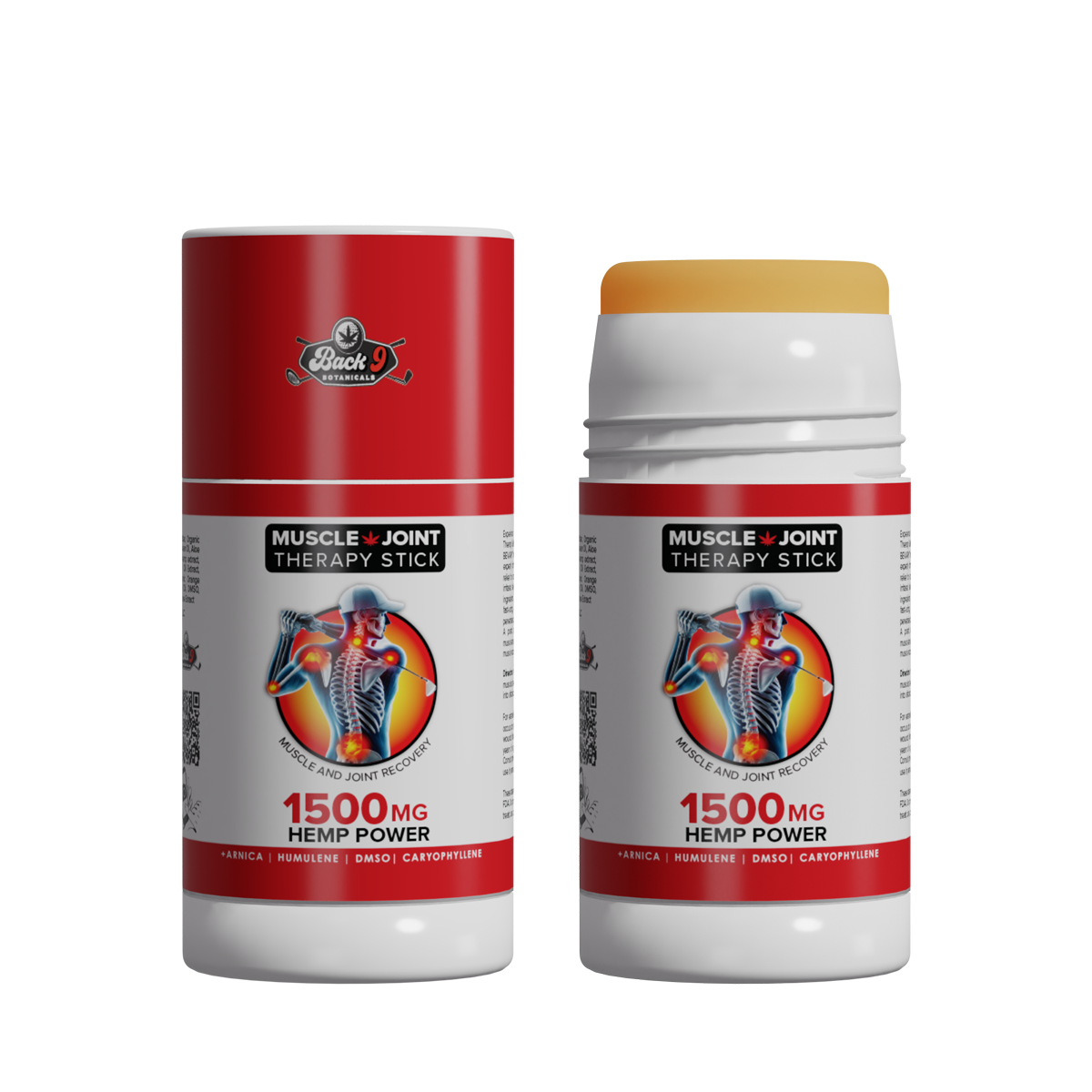
- Topical options exist for targeted comfort. A topical stick or balm can be a low-commitment way to test whether topical support fits your day, but it does not replace a diagnosis or a daily oral protocol.
The strongest herbal candidates for knee pain, turmeric, ginger, and boswellia, have moderate, not definitive, human evidence. Choose one, give it eight weeks at a standardized dose, track your symptoms, and stop if nothing changes. That disciplined approach beats stacking every herb on the shelf.
When Knee Pain Needs Medical Assessment
Some knee pain should not be self-treated. See a healthcare professional promptly for sudden swelling, a knee that locks or gives way, pain that wakes you at night, redness or warmth around the joint, or pain following a fall or twist.
Those signs point to problems a supplement cannot address. For general guidance on supplement regulation and labeling in this market, the FDA's supplement information for consumers is a useful starting point, and the NIH Office of Dietary Supplements maintains fact sheets on turmeric and other botanicals.
Conclusion
The right herbal supplement for your knee has a standardized extract, an honest dose, evidence that matches your problem, and a safety profile that fits the rest of your medications. Everything else is packaging.
If you want to build a routine that covers both daily joint support and targeted relief, consider a topical option like our CBD TOPICAL THERAPY STICK for targeted muscle and joint relief. Explore the Back 9 Botanicals lineup and see how a clean, functional formula fits into your recovery plan.

Frequently Asked Questions
What is the best herb for knee pain?
There is no single best herb for everyone. Turmeric (curcumin) has the most consistent clinical evidence for knee osteoarthritis pain and function, while boswellia shows promise for joint comfort and stiffness. Some people respond better to one than the other. The right choice depends on your symptoms, other medications, and how you tolerate each herb. Start with one standardized extract, track your pain and mobility for 6-8 weeks, and consult a healthcare professional before combining multiple herbal supplements.
How long does it take for herbal supplements to help joint pain?
Most clinical trials on turmeric and boswellia measure outcomes at 4 to 12 weeks, with many people noticing early changes in stiffness around weeks 2-4. Full effects on pain scores and joint function typically take 6-8 weeks of consistent daily use. If you see no meaningful change after 8-12 weeks at an evidence-based dose, the supplement is unlikely to help and you should stop. Knee-specific outcomes vary widely, so track your own symptoms rather than relying on general timelines.
Are herbal supplements safe to take with pain medication?
Not always. Turmeric and boswellia can increase bleeding risk when combined with NSAIDs like ibuprofen or naproxen, and turmeric may interact with blood thinners such as warfarin. Ginger has similar blood-thinning effects. Always tell your doctor and pharmacist about every herbal supplement you take, including dose. If you take prescription medication for blood pressure, diabetes, or blood clotting, get clearance before starting any herbal joint supplement. Bring the actual product label to your appointment.
Which supplements have the strongest evidence for knee pain relief?
Turmeric/curcumin has the strongest body of clinical evidence for knee osteoarthritis, with multiple randomized trials showing improvements in pain scores and joint function. Boswellia serrata extract also has several positive trials for knee osteoarthritis. Glucosamine and chondroitin have mixed results, with the strongest outcomes in some older studies and weaker effects in large trials. Omega-3 fatty acids show modest anti-inflammatory benefits. Evidence quality varies by herb, so prioritize standardized extracts used in published studies.

