
 Cart (0 items)





Can cbd cream help with nerve pain: Learn how CBD cream works for nerve pain relief, application techniques, and how to choose high-quality products.
Can CBD Cream Help With Nerve Pain: A How-To Guide

Table of Contents
- Understanding Neuropathic Pain and CBD's Role
- Topical vs. Oral CBD for Nerve Pain: Which Delivery Method Works Best
- How to Choose High-Quality CBD Cream for Maximum Relief
- CBD vs. THC for Neuropathy: Understanding the Difference
- The Benefits of CBG for Nerve Pain Relief
- Application Techniques and Dosage Guidelines for CBD Cream
- Safety Considerations and Potential Side Effects
- Frequently Asked Questions
Last Updated: September 29, 2026
Understanding Neuropathic Pain and CBD's Role
Neuropathic pain is pain caused by nerve damage or dysfunction. It often feels like burning, tingling, or shooting sensations. Many people experience it in their feet, hands, or legs. This type of pain can be stubborn and difficult to manage with standard treatments, which is why many people wonder if can cbd cream help with nerve pain.
The endocannabinoid system is your body's natural regulatory network. It helps control pain signals, inflammation, and immune response. When nerves send pain signals, your endocannabinoid system works to modulate those signals. CBD interacts with this system, potentially helping to reduce how intensely you feel pain.
How the endocannabinoid system interacts with nerve signaling
Your body produces its own cannabinoids naturally. These molecules bind to receptors throughout your nervous system. When nerve damage occurs, this signaling process becomes disrupted. The nerves fire pain signals more easily and more often.
CBD doesn't directly bind to cannabinoid receptors the way THC does. Instead, it influences how your body uses its own endocannabinoids. It may help your system process pain signals more efficiently. This indirect approach is why CBD affects people differently than THC.
The cannabinoid receptors sit on nerve cells and immune cells. When activated properly, they can reduce inflammation around damaged nerves. They can also calm overactive nerve firing. This is the mechanism many researchers believe explains CBD's potential analgesic properties.
What research shows about CBD's analgesic properties
Studies on CBD for nerve pain are still emerging. Many researchers have found that CBD shows promise for reducing pain intensity in people with neuropathy. The evidence suggests CBD may work through multiple pathways, not just one mechanism.
Some research indicates CBD may reduce inflammatory responses that contribute to nerve pain. Other studies suggest it may help with sleep quality, which indirectly reduces pain perception. Better sleep often means better pain management overall.
The challenge is that most human studies remain small or limited. Larger clinical trials are needed to establish definitive dosing and effectiveness. What works for one person may not work the same way for another. This is why starting low and adjusting gradually matters.
Topical vs. Oral CBD for Nerve Pain: Which Delivery Method Works Best
Topical CBD (creams, salves, sticks) applies directly to the skin over the affected area. It doesn't enter your bloodstream in significant amounts. Instead, it works locally where you apply it.
Oral CBD (oils, capsules, edibles) enters your digestive system and circulates throughout your body. It reaches your entire endocannabinoid system. This systemic approach may help with widespread pain or multiple problem areas.
For localized nerve pain, like pain in one shoulder, knee, or foot, many people ask can cbd cream help with nerve pain, and topical application often works faster. You feel relief in minutes to hours rather than waiting for oral products to take effect. The CBD penetrates the skin barrier and reaches nerve endings in that specific area.
Topical delivery has a major advantage: minimal systemic absorption. This means fewer potential interactions with medications. It also means you can apply more CBD to one area without overwhelming your whole system.
Oral CBD works better for widespread neuropathy affecting multiple body areas. If your pain is throughout your feet and legs, swallowing a capsule makes more sense than applying cream to dozens of spots. Oral products also last longer in your system, typically 4-8 hours.
Many people use both. They apply topical cream for acute pain and take oral CBD daily for baseline management. This combination approach addresses both immediate relief and long-term support.
| Delivery Method | Best For | Speed | Duration | Systemic Effect |
|---|---|---|---|---|
| Topical cream | Localized pain | 15-60 minutes | 4-6 hours | Minimal |
| Oral capsule | Widespread pain | 30-120 minutes | 6-8 hours | Full system |
| Combination | Multiple areas | Varies | Varies | Moderate |
How to Choose High-Quality CBD Cream for Maximum Relief
The CBD market is crowded with products of wildly different quality. A cheap cream might contain very little actual CBD. It might also contain fillers, synthetic ingredients, or contaminants. Choosing wisely matters.
Start by checking the label for the total CBD content in milligrams. A 1500 mg product contains significantly more CBD than a 500 mg product. More CBD doesn't automatically mean better results, but it gives you flexibility to adjust your application amount.
Look for products that list all ingredients clearly. You want to know what else is in the cream besides CBD. Natural ingredients like shea butter, aloe, and arnica are good signs. Avoid products with long lists of unrecognizable chemicals.
Third-party testing and certificate of analysis
Third-party testing means an independent lab, not the company selling the product, tested the contents. This is the gold standard for CBD product verification. A legitimate company will have nothing to hide.
Ask for a Certificate of Analysis (COA). This document shows exactly what's in the product. It confirms the CBD content matches the label. It also tests for contaminants like pesticides, heavy metals, and mold.
A reputable company makes their COA easily accessible. You should be able to find it on their website or request it directly. If a company won't provide testing results, that's a red flag. Move on to another brand.
Check the testing date. Recent tests (within the last year) are more reliable than old ones. Products sit on shelves and degrade over time. A test from three years ago doesn't tell you what you're buying today.
Full-spectrum, broad-spectrum, and isolate explained
Full-spectrum CBD contains all the cannabinoids, terpenes, and plant compounds from the hemp plant. This includes trace amounts of THC (under 0.3% by federal law). Many people report that full-spectrum products work better because of the "entourage effect", all the compounds working together.
Broad-spectrum CBD has most of the plant compounds but with THC removed. You get the benefits of multiple cannabinoids without any THC. This is ideal if you're concerned about THC showing up on a drug test or if you simply prefer to avoid it.
CBD isolate is pure CBD with everything else removed. It's the most refined form. Some people prefer isolate because they know exactly what they're getting. Others find it less effective than full-spectrum options.
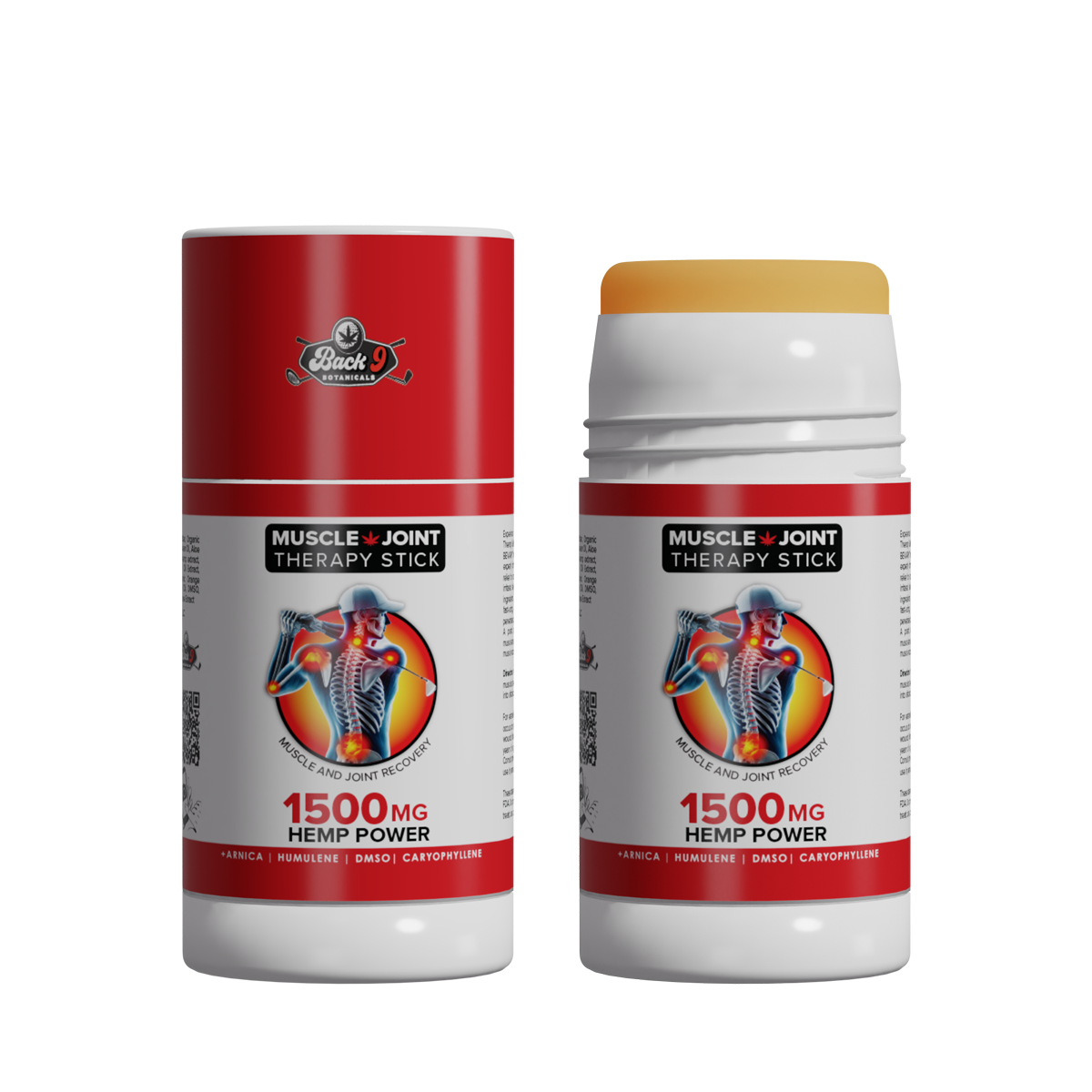
For nerve pain, many users report better results with full-spectrum or broad-spectrum products. The additional cannabinoids may enhance pain relief. Back 9 Botanicals' CBD Topical Therapy Stick uses broad-spectrum hemp oil with over 1100 mg of CBD, plus additional cannabinoids like CBDV and CBG. This combination approach targets multiple pathways in pain management.

CBD vs. THC for Neuropathy: Understanding the Difference
CBD (cannabidiol) is non-psychoactive. It won't make you feel high or impaired. You can use CBD and remain fully functional. This makes it suitable for daytime use or work environments.
THC (tetrahydrocannabinol) is psychoactive. It produces the "high" associated with cannabis. THC also has analgesic and anti-inflammatory properties. For some people, THC provides stronger pain relief than CBD alone. Combining these cannabinoids often creates a more comprehensive approach to managing sciatica pain, especially when nocturnal discomfort necessitates specific adjustments to your resting posture.
The legal status differs significantly.
The Benefits of CBG for Nerve Pain Relief
CBG (cannabigerol) is a lesser-known cannabinoid gaining attention for pain management. It's sometimes called the "mother cannabinoid" because other cannabinoids derive from it in the hemp plant. CBG shows promise for nerve pain through different mechanisms than CBD.
Application Techniques and Dosage Guidelines for CBD Cream
Proper application technique matters more than most people realize. How you apply your CBD cream affects how much reaches the affected area. Rushing through application reduces effectiveness.

Maximizing absorption through transdermal delivery
Transdermal delivery means the CBD penetrates through the skin barrier into deeper tissue. Several factors enhance this process. Temperature is one: slightly warm skin absorbs topicals better than cold skin. A gentle massage or light heat pad before application helps.
Synergistic ingredients that enhance pain relief
Quality CBD creams contain more than just CBD. Supporting ingredients significantly boost effectiveness. Arnica is a traditional botanical known for reducing inflammation and bruising. It works synergistically with CBD.
Safety Considerations and Potential Side Effects
CBD is generally well-tolerated by most people. Serious side effects are rare. However, some people do experience mild effects worth knowing about.
Frequently Asked Questions
How does CBD cream actually work for nerve pain relief?
CBD cream interacts with cannabinoid receptors in the skin and underlying tissues, potentially reducing pain signaling and inflammation associated with neuropathic pain. When applied topically, CBD doesn't enter the bloodstream in significant amounts, making it a localized treatment option. The cream's effectiveness depends on bioavailability, how well the CBD penetrates the skin barrier, which is enhanced by supporting ingredients like DMSO, arnica, and carrier oils that improve dermal absorption and delivery to affected nerve areas.
What's the difference between CBD and THC for neuropathy?
CBD offers pain relief and anti-inflammatory benefits without psychoactive effects, making it suitable for daytime use and those concerned about intoxication. THC also has analgesic properties but produces psychoactive effects and may not be legal in all states. For nerve pain specifically, CBD is often preferred because it won't impair focus or performance, while THC may be considered when combined with CBD in balanced formulations in states where it's legal. Always check local regulations before use.
How do I know if a CBD cream is high-quality and worth the investment?
Look for third-party testing and a certificate of analysis (COA) that verifies CBD content, cannabinoid profile, and absence of contaminants. Check whether the product uses full-spectrum (all cannabinoids and terpenes), broad-spectrum (cannabinoids minus THC), or isolate formulations, broad-spectrum and full-spectrum typically offer more therapeutic benefit. Quality products list all ingredients transparently, include synergistic botanical compounds like arnica and cayenne for enhanced relief, and come from reputable manufacturers with consistent customer feedback on effectiveness.
Can CBD cream help with nerve pain if I've never used hemp products before?
Yes, topical CBD cream is a low-risk entry point for those new to hemp products since it doesn't enter the bloodstream significantly. Start with small amounts on the affected area and observe how your skin and pain levels respond over a few applications. Most people tolerate CBD cream well, but some may experience mild skin irritation. If you're taking medications, consult your healthcare provider, as CBD may interact with certain drugs. Allow 1-2 weeks of consistent use to assess effectiveness, as pain relief often develops gradually.

