
 Cart (0 items)


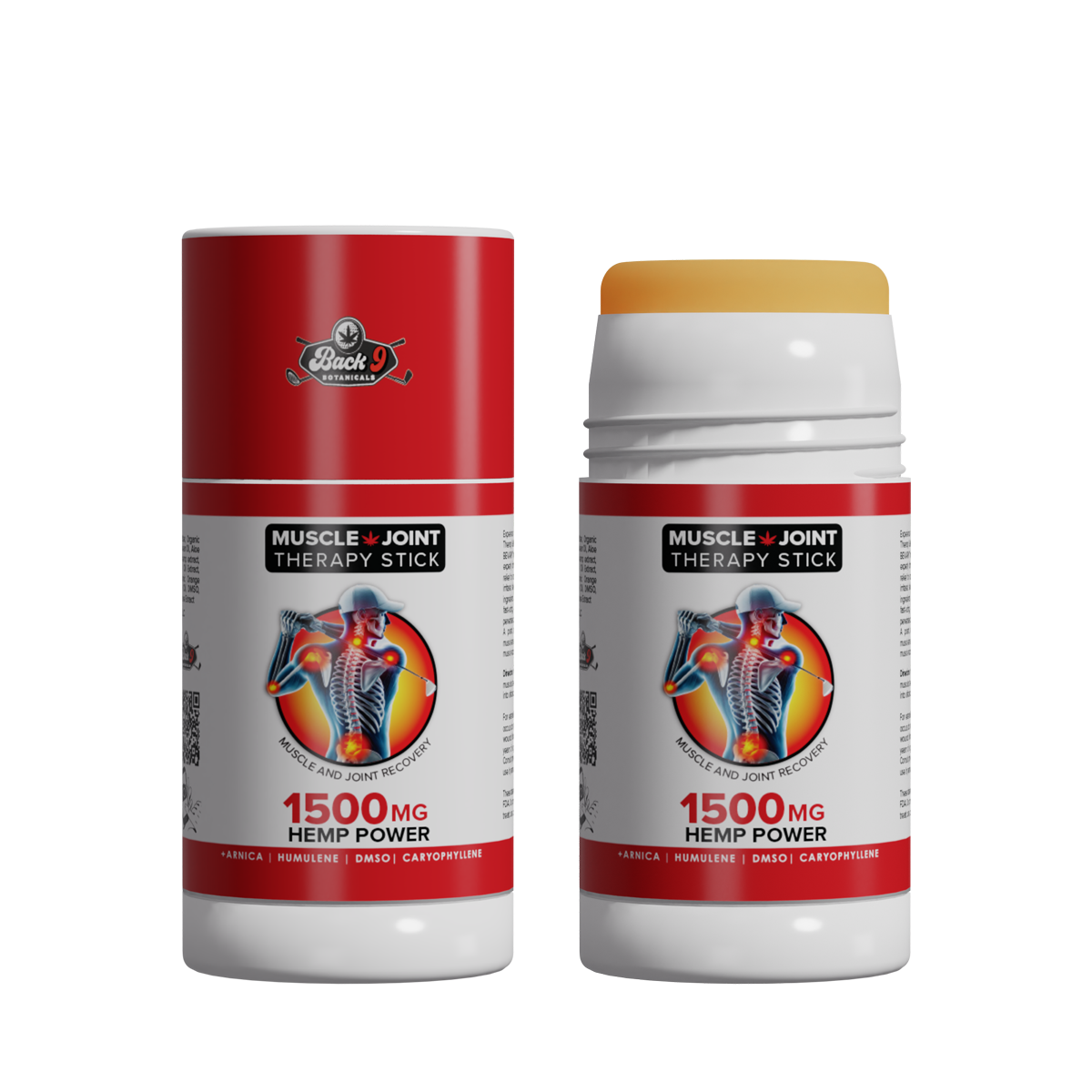
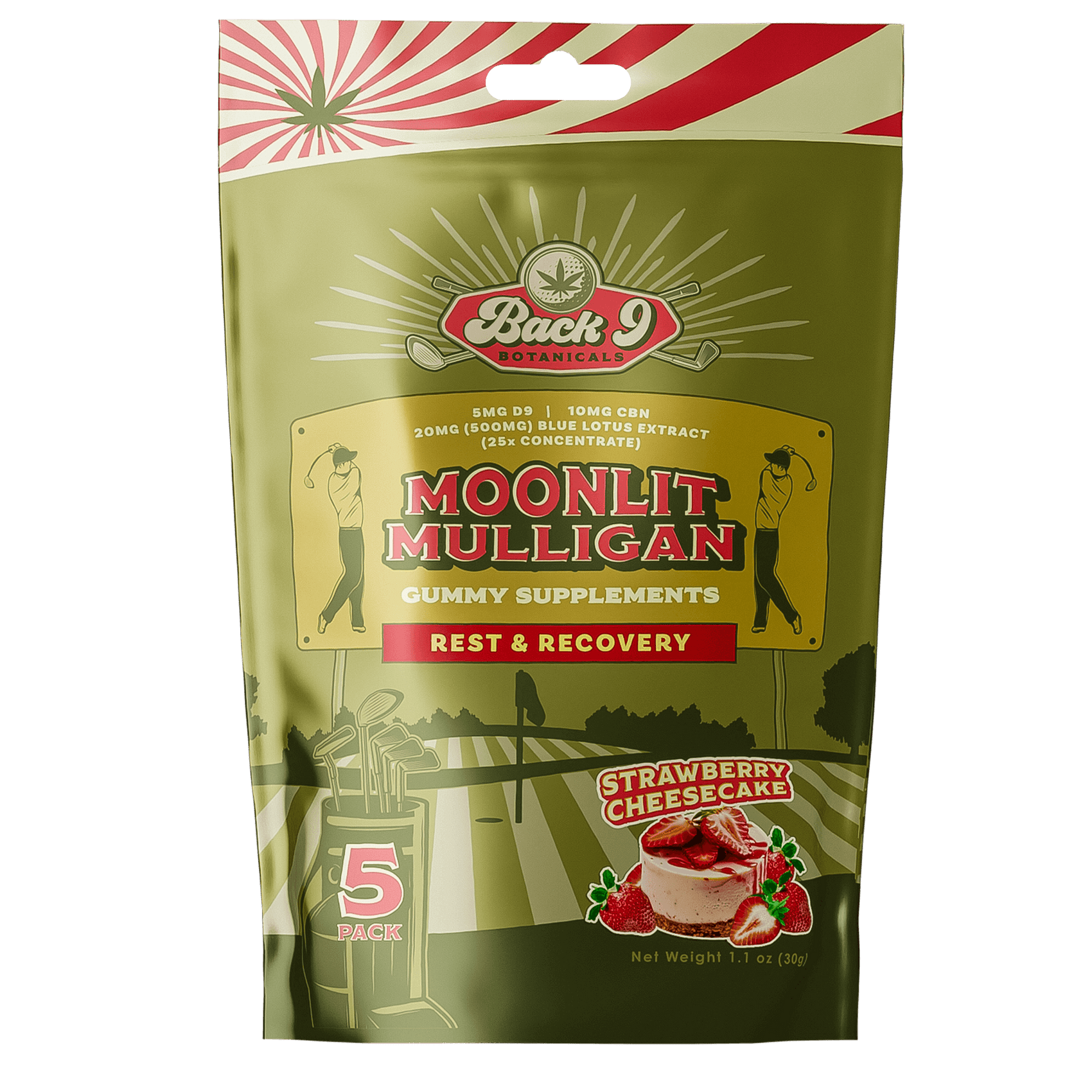



Learn how to choose clean label athletic supplements with our step-by-step guide.
How to Choose Clean Label Athletic Supplements

Table of Contents
- What Clean Label Means for Athletic Supplements
- Step 1: Understand Clean Label Supplement Ingredients
- Step 2: How to Read Supplement Labels for Transparency
- Step 3: Verify Third-Party Tested Supplements for Athletes
- Step 4: Check Supplement Certification for Athletes
- Step 5: Evaluate Dose Transparency and Ingredient Sourcing
- Step 6: Consider Your Specific Needs and Sensitivities
- Common Mistakes to Avoid When Choosing Athletic Supplements
- Frequently Asked Questions
Last Updated: October 20, 2026
What Clean Label Means for Athletic Supplements
Clean label athletic supplements are formulas built with minimal, recognizable ingredients and no artificial additives, colors, or preservatives, so you know exactly what's going into your body, and what isn't.
The clean-label movement started in food and is now reshaping supplements.
For athletes, that transparency matters: your supplements should match the commitment you bring to training.
Step 1: Understand Clean Label Supplement Ingredients
Start by learning the difference between what actually works and what's just filler.
Active ingredients vs. inactive ingredients
Active ingredients produce the health effect you're after, amino acids, vitamins, minerals, or plant extracts. Inactive ingredients (excipients) are the supporting cast: binders, carriers that aid absorption, and preservatives that keep the formula stable.
Ignoring excipients is a mistake: a poorly chosen one can trigger digestive upset, interfere with absorption, or add unnecessary calories.
Here's what to look for:
- Binders: Look for plant-based options like gum arabic or cellulose. Avoid maltodextrin (a processed carbohydrate that spikes blood sugar).
- Carriers: Coconut oil, MCT oil, or vegetable glycerin are clean choices. These help cannabinoids and plant extracts absorb better.
- Preservatives: Natural options include vitamin E (tocopherols) and rosemary extract. Synthetic preservatives like BHA or BHT belong nowhere near your supplements.
Avoiding artificial additives, colors, and sweeteners
Artificial additives hide behind long chemical names: petroleum-derived colors and sweeteners like aspartame, sucralose, or acesulfame potassium. Synthetic sweeteners may trigger cravings or digestive issues in some athletes. Clean-label brands use stevia, monk fruit, or simply accept the natural taste, if a supplement tastes suspiciously sweet, check the label.
Pro Tip
Artificial sweeteners are often labeled as "sugar alcohols" (sorbitol, xylitol, erythritol). These are better than artificial sweeteners but can cause bloating or digestive issues in sensitive athletes. Start with a small dose to test your tolerance.
Step 2: How to Read Supplement Labels for Transparency
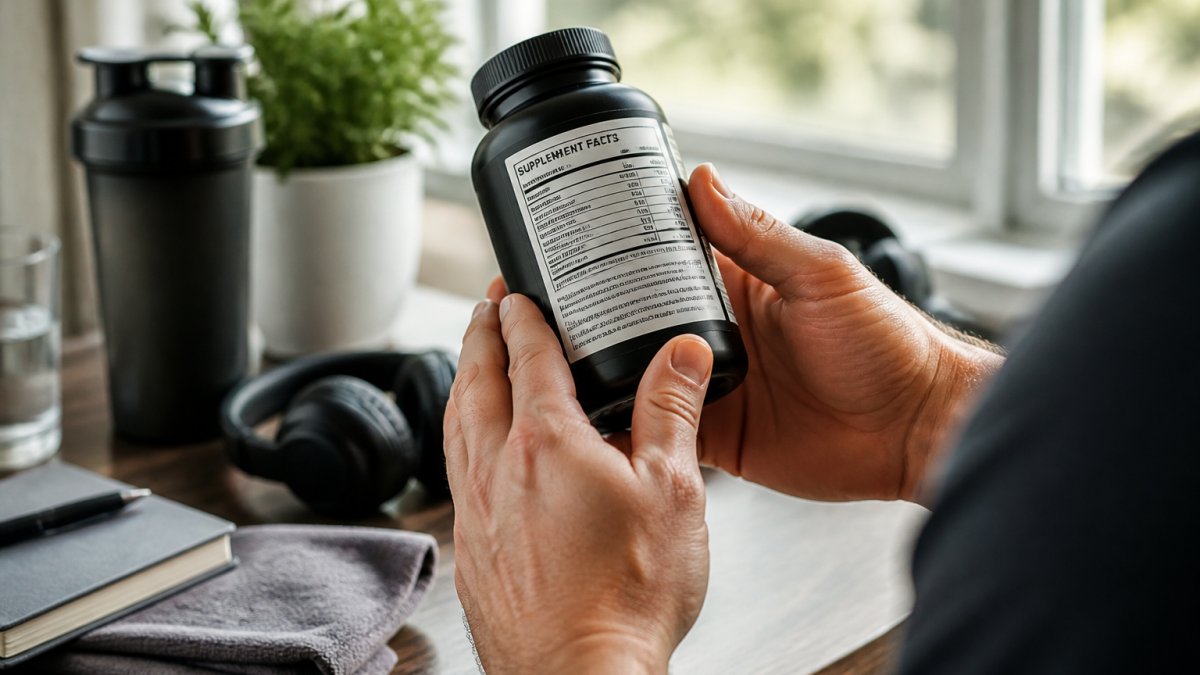
Most athletes go wrong here: they glance at the front of the bottle, see a bold claim, and buy it. The real information lives on the back.
Ingredient transparency and full disclosure
A clean-label supplement lists every ingredient, including inactive ones, no exceptions, no "proprietary blends" hiding doses.
Here's what to check:
-
Ingredient list order matters. Ingredients are listed by weight, heaviest first. A "proprietary blend" listed second means you have no idea how much of each ingredient you're getting.
-
Look for dose amounts. Each active ingredient should list a number, milligrams (mg), grams (g), or micrograms (mcg), so you know the actual dose per serving. Without it, you're flying blind.
-
Check the serving size. Two capsules per day? One scoop? The serving size determines how much of each ingredient you consume. A supplement might look clean until you realize the serving size is unrealistically small.
-
Read the "other ingredients" section. This is where excipients hide. If you see a long list of unrecognizable chemicals here, the supplement isn't clean.
Identifying proprietary blends and hidden ingredients
Proprietary blends are the enemy of transparency: brands hide exact doses behind a "trade secret," so you can't verify whether you're getting a therapeutic dose or a trace amount. A "Recovery Blend (500 mg)" with five ingredients could be 450 mg of one and 12.5 mg of the rest. Avoid them entirely; a clean-label supplement breaks down every ingredient separately with its own dose.
Watch Out
Some brands use the term "clean label" as marketing without actually being transparent. They might have no artificial additives but still use proprietary blends or undisclosed excipients. Always check the full ingredient list and dose amounts, don't trust the marketing claim alone.
Step 3: Verify Third-Party Tested Supplements for Athletes
Third-party testing is your insurance policy: an independent lab, not the brand, verifies what's actually in the bottle.
What third-party testing means for product safety
An accredited lab receives a sample directly from the manufacturer and tests it for label accuracy, contaminants (heavy metals, pesticides, microbial pathogens), and banned substances, critical for athletes. Published results are what separate clean-label brands from ones just making claims.
Testing for contaminants and heavy metals
Heavy metals like lead, cadmium, and mercury accumulate in soil and water and are absorbed by plants, so untested plant-derived ingredients could expose you to these toxins. Look for results measuring heavy metals (lead, cadmium, mercury, arsenic), pesticide residues (especially for hemp and botanicals), microbial contamination (E. coli, salmonella, mold), and solvent residues. A reputable brand publishes these results or provides them on request; if a brand won't share them, move on.
Step 4: Check Supplement Certification for Athletes
For competitive athletes, certification matters, and not all testing programs are equal. The biggest mistake is assuming a "third-party tested" badge means "banned-substance safe." Those are two different claims.
Contaminant testing vs. banned-substance certification
Contaminant testing answers a food-safety question: are heavy metals, pesticides, microbes, or solvents above established limits? Banned-substance certification answers a sport-eligibility question: does the product contain anything prohibited by the NCAA, a national anti-doping organization, or a sport's governing body? A product can pass contaminant testing and still fail a drug test, and a banned-substance certification doesn't make a product a good fit for your diet.
How to verify a certification
Do not trust a logo on the front of the bottle. Verify it at the source:
- Find the certifying body's name. Common programs include NSF Certified for Sport and Informed Sport (part of the Informed Choice family). Each maintains a searchable list of certified products.
- Search the product on the certifier's own website. Match the exact product name, flavor, and lot or batch number. Certification is product-specific, not brand-wide, a certified protein powder does not mean the brand's pre-workout is certified.
- Check the scope of the certification. Confirm the program tested for banned substances, not just label accuracy or contaminants.
- Request the certificate of analysis (COA) for your lot. A reputable brand can supply a COA tied to the batch you bought; if it's generic or undated, treat the certification as unverified.
- Re-verify after reformulation. If a brand changes its formula or flavor, the prior certification may not apply.
Banned-substance risk and athlete compliance
Some supplements contain ingredients banned by the NCAA, a national anti-doping organization, or your sport's governing body. One contaminated supplement can end a season, even if taken unknowingly, risk is highest with stimulant-heavy pre-workouts, testosterone-adjacent products, and vague "performance" products. Sport-specific certification is the clearest protection available, but it's no substitute for reading the label.
Watch Out
A "third-party tested" claim on a label is not the same as a banned-substance certification. If you compete, search the product on the certifying body's own website and confirm the certification covers banned substances for your lot number. A logo alone proves nothing.
Key Takeaway
If you compete in any organized sport or tournament, check whether your supplement carries a banned-substance certification, and verify it on the certifier's site, not the brand's. One contaminated product can disqualify you, even if the contamination was accidental.
Step 5: Evaluate Dose Transparency and Ingredient Sourcing
A clean-label supplement tells you what's in it, how much, and where it came from. Dose transparency is where most "clean" brands quietly fall short: every ingredient disclosed, but amounts so low the formula can't plausibly work.
How to compare disclosed doses against evidence-based ranges
Dose transparency means each active ingredient has a clearly labeled amount per serving, useful only if you compare it to something. Use this workflow:
- Note the serving size. A label may list amounts per capsule while the suggested use is three capsules. Multiply to get the amount you actually consume per day.
- Identify the clinically studied range for each active. Published research and reputable reference sources describe a typical effective range; a brand that bases doses on research will usually say so and cite the range.
- Compare the label amount to that range. If an ingredient is studied at hundreds of milligrams and the label shows a few milligrams, the formula is likely underdosed, even if the total blend looks impressive.
- Check whether the dose is split across a blend. A "proprietary blend" total tells you nothing about individual amounts, treat any blend as unverifiable.
- Look for a stated rationale. Transparent brands explain why a dose was chosen; a brand that can't is guessing, or cutting costs.
A common pattern: effective doses on one or two headline ingredients, underdosed everything else to keep the label looking broad. Compare each line item, not the total, to expose it.
Ingredient sourcing and quality
Ingredient sourcing matters too. Hemp quality varies widely with growing conditions, extraction methods, and post-harvest handling, so a brand that sources from reputable growers and shares that information is more trustworthy. Ask where the botanicals and hemp are sourced, what extraction method is used, whether doses are based on clinical research, and how the formula is tested for stability and potency.
The trade-offs of clean-label formulation
Clean label isn't automatically better. Natural and plant-derived ingredients can be less stable, change taste, and shorten shelf life versus synthetics, a preservative-free formula may need tighter storage or a shorter expiration window, and a naturally sweetened product may vary batch to batch. The right question isn't "is it natural?" but "is it transparent, dosed to work, and tested for what matters to me?"
Pro Tip
Build a simple comparison sheet: list each active ingredient, the label amount per day, and the evidence-based range you found. Ingredients that fall far below range are your signal that the formula is underdosed, regardless of how clean the rest of the label looks.
Step 6: Consider Your Specific Needs and Sensitivities
Clean label doesn't mean one-size-fits-all.
If you have food sensitivities, check for common allergens: soy, gluten, dairy, tree nuts. A clean-label supplement should clearly disclose these.
Consider your goal too: recovering from intense training, managing stress, improving sleep?
Back 9 Botanicals creates formulas for different needs: recovery, focus, and daily balance. Each is built with clean ingredients and transparent doses.
| Supplement Goal | Key Active Ingredients | What to Avoid |
|---|---|---|
| Muscle recovery | Amino acids, magnesium | Excessive sugar, artificial sweeteners |
| Focus and energy | B vitamins, plant adaptogens | Synthetic stimulants, undisclosed caffeine |
| Sleep and stress | Magnesium, herbal extracts | Melatonin overuse, artificial additives |
| Daily wellness | Broad-spectrum botanicals | Proprietary blends, hidden ingredients |
Common Mistakes to Avoid When Choosing Athletic Supplements
Mistake 2: Ignoring inactive ingredients. You focus on the active compound and miss that the binder causes digestive upset.
Mistake 5: Not checking for banned substances if you compete. One contaminated supplement can disqualify you.
Mistake 6: Overlooking your own sensitivities. A supplement is clean for most people but triggers bloating or headaches in you.
Choosing clean label athletic supplements comes down to three things: read the full label, verify third-party testing, and match the formula to your specific needs.
Frequently Asked Questions
What does clean label mean for athletic supplements?
Clean label athletic supplements contain transparent, recognizable ingredients without artificial additives, unnecessary fillers, or proprietary blends that hide dosages. For athletes, clean label means the product discloses every active and inactive ingredient, has been third-party tested for contaminants, and avoids synthetic colors, flavors, and sweeteners. This transparency helps you verify that what's on the label matches what's in the bottle and reduces the risk of consuming banned substances accidentally.
How can I check whether a sports supplement has been third-party tested?
Look for certification seals on the label or product page from recognized testing organizations like NSF Certified for Sport, Informed Choice, or USP. Visit the certifier's official database to verify the product's status. Third-party tested supplements for athletes undergo independent testing for banned substances, heavy metals, and contaminants. Check the brand's website for detailed test results or certificates of analysis that show what was tested and when.
What ingredients should athletes look for or avoid in supplements?
Seek plant-based or plant-derived excipients and carriers rather than synthetic fillers. Look for active ingredients with published research supporting their use in your sport. Avoid proprietary blends that hide exact dosages, artificial sweeteners like aspartame, synthetic colors, and unnecessary additives. For athletic performance, check that doses match clinically relevant amounts shown in studies. If you have allergies or dietary restrictions, verify the label discloses all potential allergens and confirms the product is free from substances banned by your sport's governing body.
Why is ingredient sourcing important when choosing clean label athletic supplements?
Ingredient sourcing affects both product quality and safety. Supplements sourced from reputable suppliers and regions with strong quality controls are less likely to contain pesticides, heavy metals, or environmental contaminants. Brands that disclose where their ingredients come from demonstrate commitment to transparency and product integrity. Clean-label athletic supplements should identify the origin of key active ingredients and confirm they've been tested for purity and contaminants before formulation.

